

Is Home Birth Safe?
One of the most common questions families ask when exploring birth options is, "Is home birth safe?"
The answer is that home birth can be a safe option for many healthy women experiencing low-risk pregnancies when attended by qualified, licensed midwives and supported by appropriate screening, preparation, and emergency planning.
Safety is at the center of every decision we make at Katy Birth Center. Throughout pregnancy, we carefully evaluate whether home birth remains an appropriate option for each family while continuously monitoring the health of both mother and baby.
Understanding how home birth safety works can help families make informed decisions about their care.
What Makes Home Birth Safe?
Home birth safety relies on several important factors working together:
Careful Candidate Selection
Not every pregnancy is considered low risk.
Ongoing assessment helps determine whether home birth remains the safest option throughout pregnancy.
Comprehensive Prenatal Care
Prenatal visits help identify concerns early and allow your midwife to monitor both maternal and baby health throughout pregnancy.
Licensed Midwifery Care
Licensed midwives are trained to monitor pregnancy, labor, birth, postpartum recovery, and newborn well-being while recognizing situations that require consultation or transfer.
Emergency Planning
Every home birth includes emergency preparedness and established transfer protocols.
Continuous Labor Monitoring
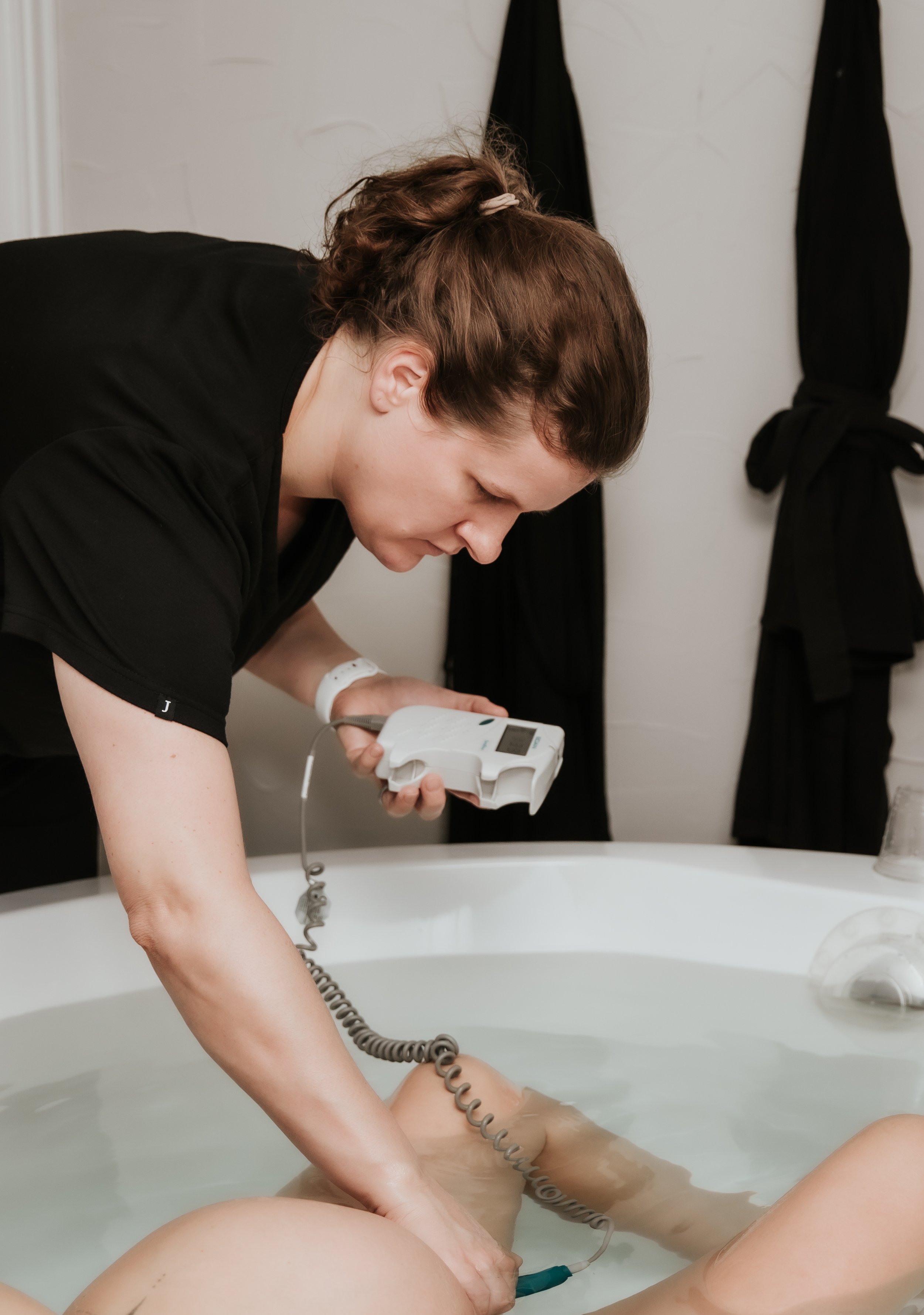
During labor, your midwife continually assesses both mother and baby while monitoring labor progression and overall well-being.
Safety is not based on a single factor. It is the result of ongoing evaluation and professional care throughout the entire pregnancy and birth process.
Home Birth Is Not Right For Every Pregnancy
A common misconception is that anyone can choose home birth regardless of medical history or pregnancy complications.
In reality, home birth is designed for carefully screened, low-risk pregnancies.
Throughout prenatal care, your midwife evaluates factors including:
Maternal health history
Previous pregnancies and births
Blood pressure concerns
Gestational diabetes
Multiple gestation (twins or higher)
Placenta concerns
Baby's growth and development
Fetal positioning
Other pregnancy complications
If risk factors develop that make home birth less appropriate, your midwife will discuss alternative recommendations and care options.
What Training Do Licensed Midwives Have?
Licensed midwives receive extensive education and clinical training focused on:
Pregnancy care
Labor and birth management
Newborn care
Postpartum recovery
Emergency recognition
Emergency response
Risk assessment
Transfer protocols
Midwives are trained to identify situations that may require additional medical evaluation and to coordinate care when appropriate.
What Equipment Does A Midwife Bring?
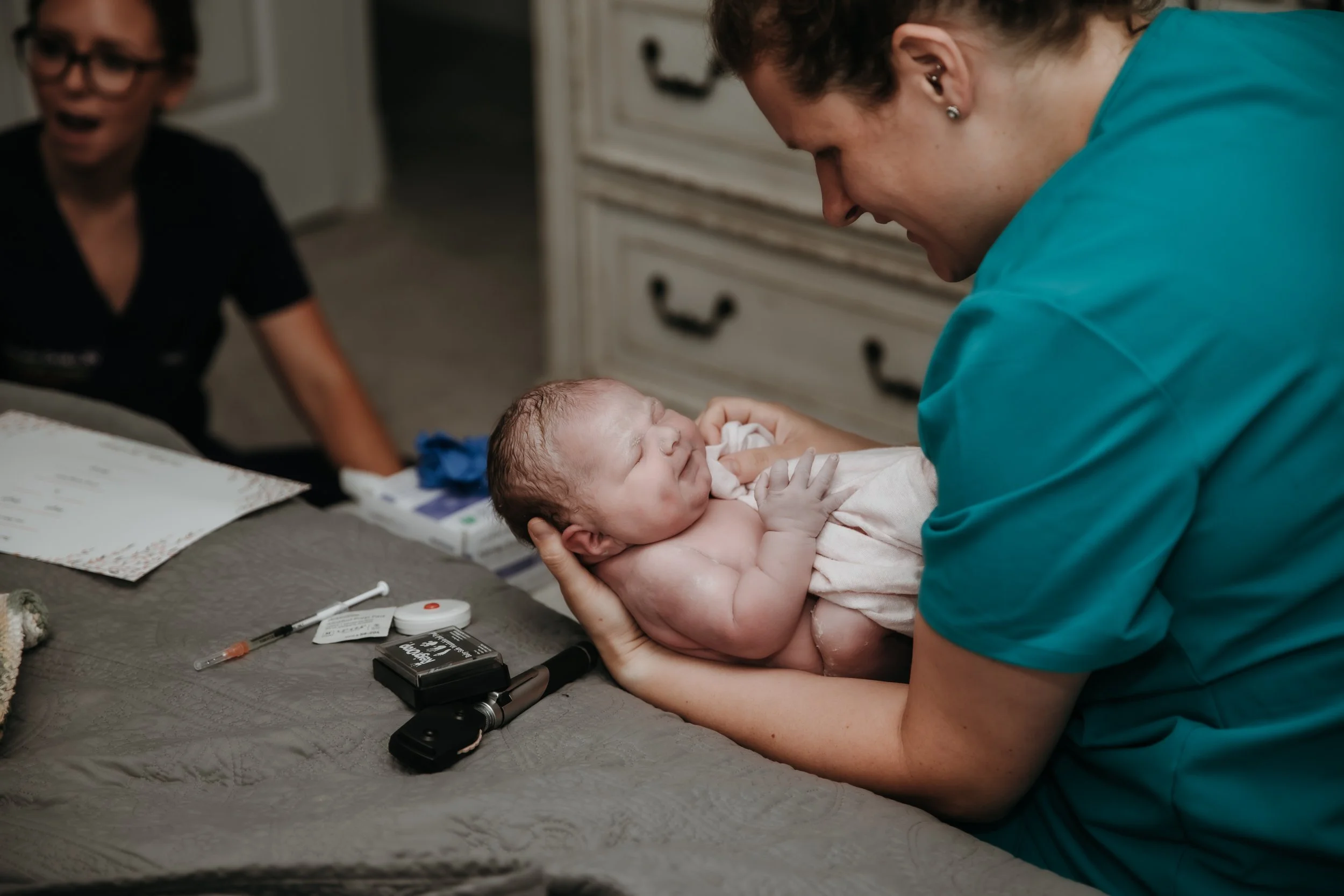
Many people are surprised by the amount of equipment present at a home birth.
Midwives bring equipment used to:
Monitor fetal heart tones
Monitor maternal vital signs
Assess labor progression
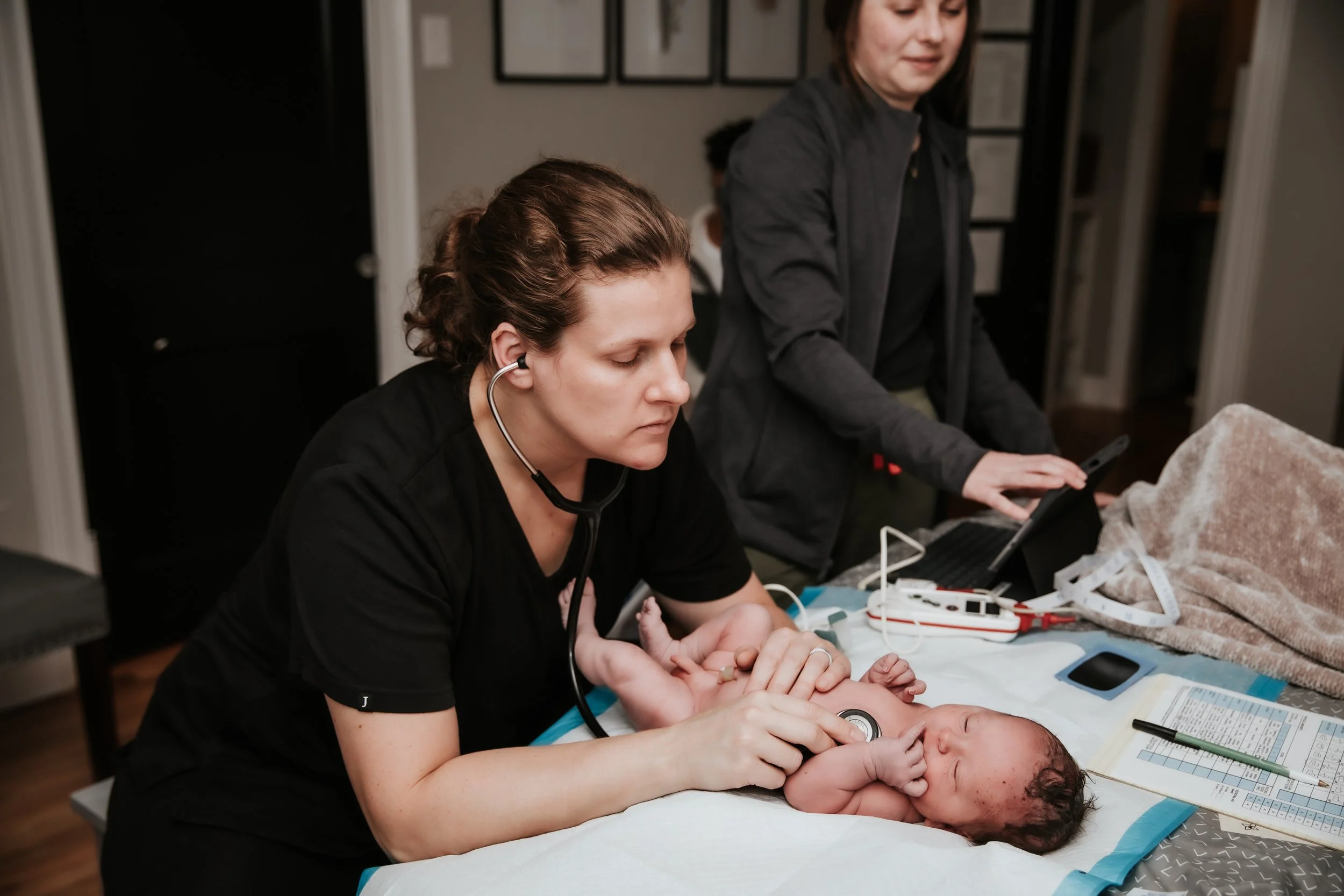
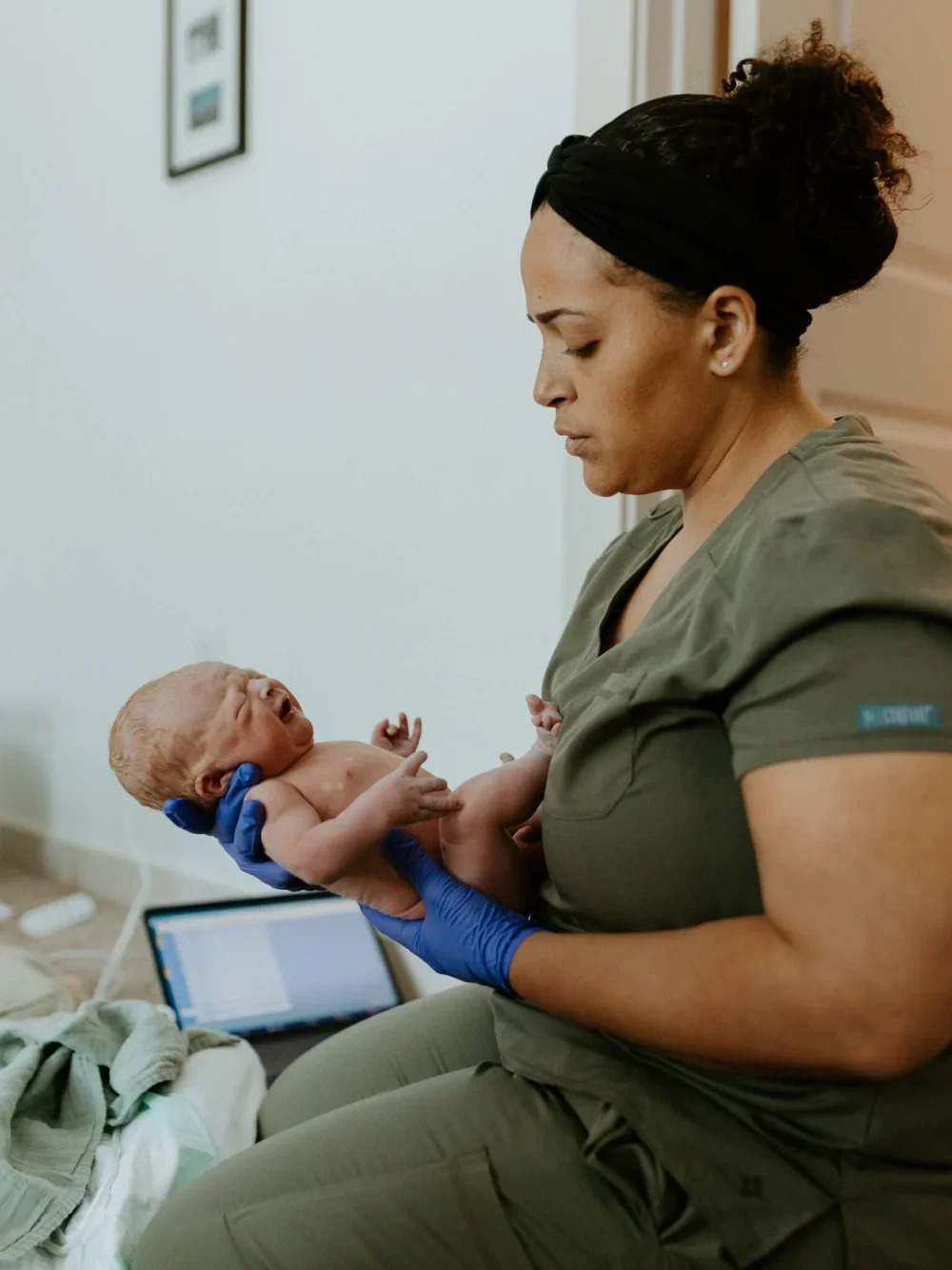
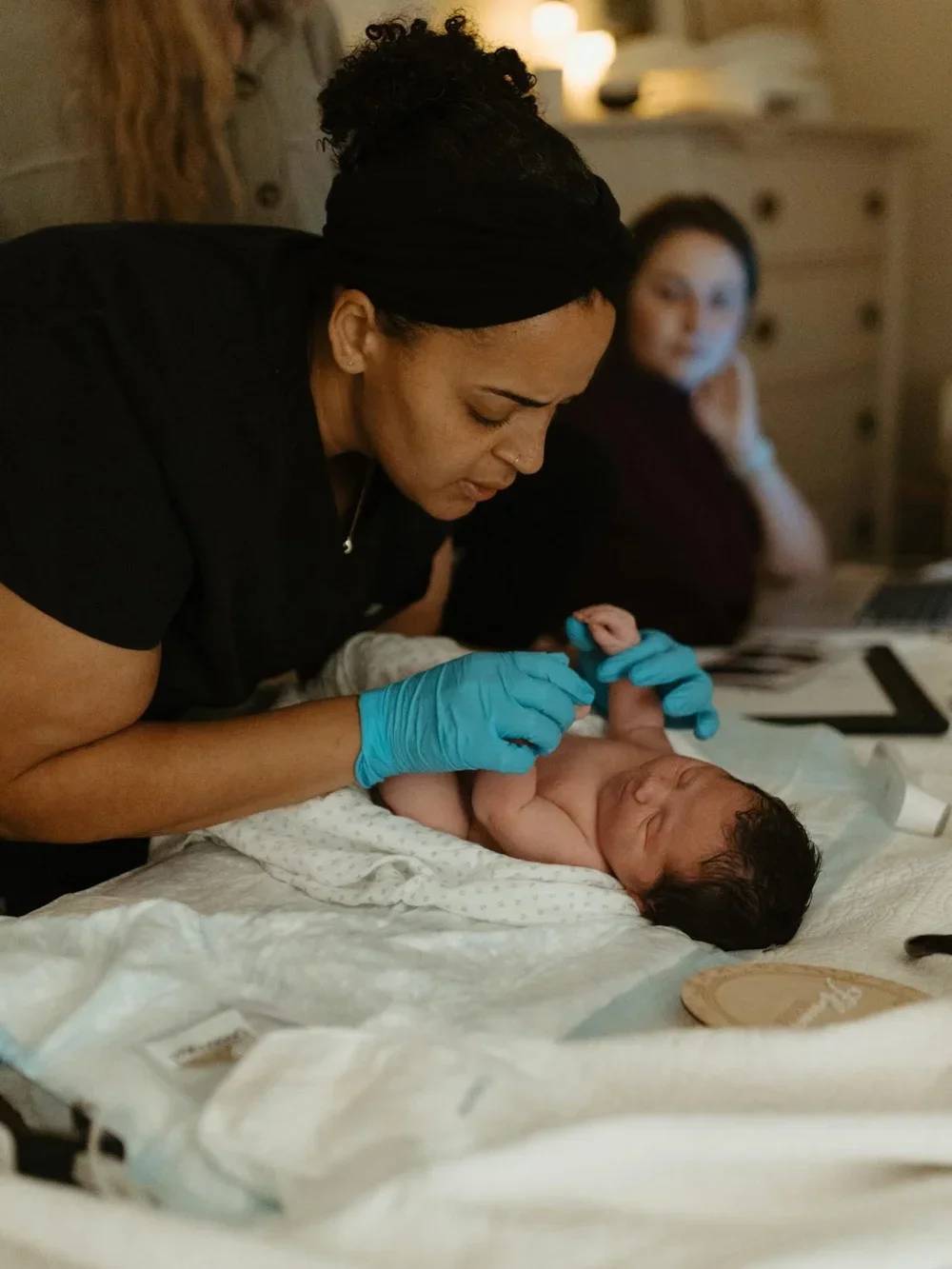
Evaluate newborn health
Monitor oxygen levels
Manage postpartum concerns
Respond to emergency situations
Home birth does not mean giving birth without medical preparation.
Licensed midwives arrive equipped to provide professional maternity care while maintaining clear plans for escalation when necessary.
What If Something Goes Wrong?
This is often the biggest concern families have when considering home birth.
The reality is that midwives continuously monitor for signs that additional care may be beneficial.
Situations that may lead to consultation or transfer include:
Labor that is not progressing as expected
Maternal exhaustion
Elevated blood pressure
Concerns regarding fetal well-being
Requests for additional pain management
Other situations requiring physician evaluation
Many transfers are precautionary and non-emergent rather than emergency situations.
The decision to transfer is made with the goal of achieving the safest possible outcome for mother and baby.
How Common Are Hospital Transfers?
Transfers can occur in both first-time and experienced mothers.
The likelihood varies depending on individual circumstances and pregnancy factors.
Many transfers occur for reasons such as:
Long labor
Slow labor progression
Maternal fatigue
Desire for epidural pain relief
Need for additional evaluation
A transfer does not mean the birth experience has failed.
Instead, it reflects a care team that prioritizes safety and adapts when circumstances change.
Can First-Time Moms Have A Safe Home Birth?
Often, yes.
Being a first-time mother does not automatically make home birth unsafe.
Many first-time mothers are excellent candidates for home birth.
Your midwife will evaluate:
Your overall health
Pregnancy progression
Baby's development
Medical history
Individual risk factors
Eligibility is determined on a case-by-case basis rather than by whether you've given birth before.
What About Home Birth After Cesarean (VBAC)?
Many families explore home birth after a previous cesarean birth.
VBAC eligibility depends on multiple factors including:
Type of previous uterine incision
Number of prior cesareans
Overall maternal health
Current pregnancy factors
Time between births
At Katy Birth Center, VBAC candidates are evaluated individually to determine whether they meet eligibility requirements.
What Happens If I Need Emergency Care?
Although serious emergencies are uncommon in appropriately selected low-risk pregnancies, midwives are trained to respond quickly when urgent situations arise.
Emergency planning includes:
Emergency equipment
Communication protocols
Local EMS activation when necessary
Hospital transfer procedures
One of the benefits of comprehensive prenatal care is that many potential concerns are identified long before labor begins.
Is Home Birth Safer Than Hospital Birth?
This question is often framed incorrectly.
The better question is:
"Which birth setting is most appropriate for my individual pregnancy?"
For healthy, low-risk women, home birth may be an appropriate option.
For higher-risk pregnancies, hospital-based care may be recommended.
The safest birth setting depends on each family's unique circumstances.
Our goal is not to convince every family to choose home birth.
Our goal is to help families understand their options and make informed decisions based on their health, values, and pregnancy.
Questions To Ask When Evaluating Home Birth Safety
When researching home birth, consider asking:
Am I considered low risk?
What factors could change my eligibility?
What training does my midwife have?
What equipment is brought to births?
How are emergencies handled?
What are transfer protocols?
Which hospitals are nearby?
How does prenatal screening work?
Asking questions is an important part of making informed decisions.
Frequently Asked Questions
Is home birth safe for healthy pregnancies?
For many healthy women experiencing low-risk pregnancies, home birth may be a safe option when attended by licensed midwives and supported by appropriate screening and emergency planning.
Are home births monitored?
Yes. Midwives continuously monitor both mother and baby throughout labor and birth.
What happens if complications develop?
Your midwife will assess the situation and recommend consultation, referral, or transfer when additional medical care is needed.
Do midwives carry emergency equipment?
Yes. Licensed midwives bring equipment used to monitor and respond to situations that may arise during labor, birth, and the immediate postpartum period.
Can I have a home birth if I'm high risk?
Home birth is generally intended for low-risk pregnancies. Your midwife will discuss recommendations based on your individual health history and pregnancy.
Learn Whether Home Birth Is Right For You
Every pregnancy is unique.
The best way to determine whether home birth may be a safe option for your family is through a consultation with an experienced licensed midwife.
We'll review your health history, answer your questions, and help you understand all of your available options.
Schedule a consultation with Katy Birth Center today.



Our office is conveniently located in Katy, making quality midwifery and birth center care easily accessible for families throughout Katy and the surrounding Houston communities.
Katy Birth Center
1002 Avenue A
Katy, TX 77493