

Transferring to the Hospital During a Home Birth
Understanding Hospital Transfer During Home Birth
One of the most common questions families ask when considering a home birth is:
"What happens if I need to go to the hospital?"
It's an important question—and one we're always happy to answer.
At Katy Birth Center, safety is our highest priority. While most planned home births for healthy, low-risk pregnancies progress normally, there are times when transferring to the hospital is the safest choice for you, your baby, or both.
A hospital transfer is not a failure. It's simply one of the many tools we use to provide safe, individualized care.
How Often Do Home Birth Transfers Happen?
Transfers are more common than many people realize—and they're usually not emergencies.
Most hospital transfers occur because labor isn't progressing as expected or because additional pain management or medical interventions are desired. In many cases, the transfer happens calmly and without urgency.
First-time parents are more likely to experience a transfer than those who have given birth before, simply because labor tends to be longer and less predictable.
Common Reasons for Hospital Transfer
Every labor is unique, but some of the most common reasons for transfer include:
Labor that isn't progressing
Maternal exhaustion
Request for epidural pain relief
Meconium (baby passes stool before birth)
Elevated maternal blood pressure
Concerns about baby's heart rate
Prolonged rupture of membranes
Signs of infection
Need for additional medical evaluation
Many of these situations develop gradually, allowing plenty of time to make thoughtful decisions together.
What Happens During a Transfer?
If your midwife believes a hospital transfer is the safest option, we'll explain exactly why and answer any questions you have.
Our goal is to make the transition as smooth as possible.
Depending on the situation:
Your midwife contacts the receiving hospital when appropriate.
You'll travel to the hospital by private vehicle if the situation is non-urgent.
If an emergency arises, EMS will be activated immediately.
Your prenatal records and labor information accompany you whenever possible.
Your midwife communicates with the hospital team to help ensure continuity of care.
Throughout the process, we'll continue supporting you and advocating for your preferences whenever it's medically appropriate.
Are Most Transfers Emergencies?
No.
The vast majority of home birth transfers are non-emergency transfers.
Often, labor simply isn't progressing as hoped, or circumstances change in a way that makes hospital care the safest next step.
Because home birth clients are carefully screened throughout pregnancy, true obstetric emergencies during planned home birth are uncommon.
How We Monitor Safety During Labor
One of the advantages of continuous midwifery care is that we're constantly assessing both mother and baby.
Throughout labor, your midwife monitors:
Baby's heart rate
Maternal vital signs
Labor progress
Bleeding
Contraction pattern
Overall maternal and fetal well-being
This ongoing assessment allows us to recognize concerns early and make timely decisions if additional care becomes necessary.
Preparing for Every Possibility
Preparing for birth also means preparing for unexpected situations.
As part of your prenatal care, we'll discuss:
When hospital transfer may be recommended
What to bring if a transfer becomes necessary
Which hospital you'll likely transfer to
Your birth preferences in different scenarios
Questions you may have about emergency planning
Having a plan in place often provides peace of mind long before labor begins.
Why Families Still Choose Home Birth
Understanding that transfer is part of a safe home birth plan often gives families greater confidence—not less.
Knowing that your midwife is prepared to recognize complications early and recommend hospital care when needed allows you to labor knowing your safety always comes first.
Home birth isn't about avoiding the hospital at all costs.
It's about choosing the most appropriate setting for your pregnancy while remaining flexible if circumstances change.
Frequently Asked Questions
If I transfer to the hospital, can my midwife come with me?
Your midwife will continue supporting you as much as possible and communicate with the hospital team. Policies vary depending on the hospital and circumstances, and we'll discuss what you can expect during your prenatal care.
How do you decide when a transfer is needed?
Your midwife continually evaluates both maternal and fetal well-being using evidence-based guidelines. If hospital care would provide the safest next step, we'll explain our recommendations and help you make informed decisions.
Will I automatically need a cesarean section if I transfer?
No. Many people who transfer to the hospital go on to have vaginal births. A transfer simply means additional monitoring or medical care is appropriate—it does not automatically mean surgery.
What if I decide I want an epidural?
That's one of the most common non-emergency reasons for hospital transfer. If you choose pain relief that's only available in a hospital, we'll help coordinate your transfer.
Are emergency transfers common?
True emergencies are uncommon among carefully screened, low-risk pregnancies attended by experienced licensed midwives. Most transfers happen in a calm, organized manner with time to make thoughtful decisions.
Compassionate Care, Wherever Your Birth Takes You
Our goal has never been simply to help you have a home birth.
Our goal is to help you have the safest possible birth for you and your baby.
Whether your baby is born at home or your journey ultimately continues in the hospital, you'll have a team committed to providing compassionate, evidence-based care every step of the way.
Have questions about home birth safety or hospital transfer? Schedule a tour to learn more about our approach to personalized midwifery care and whether home birth is the right choice for your family.

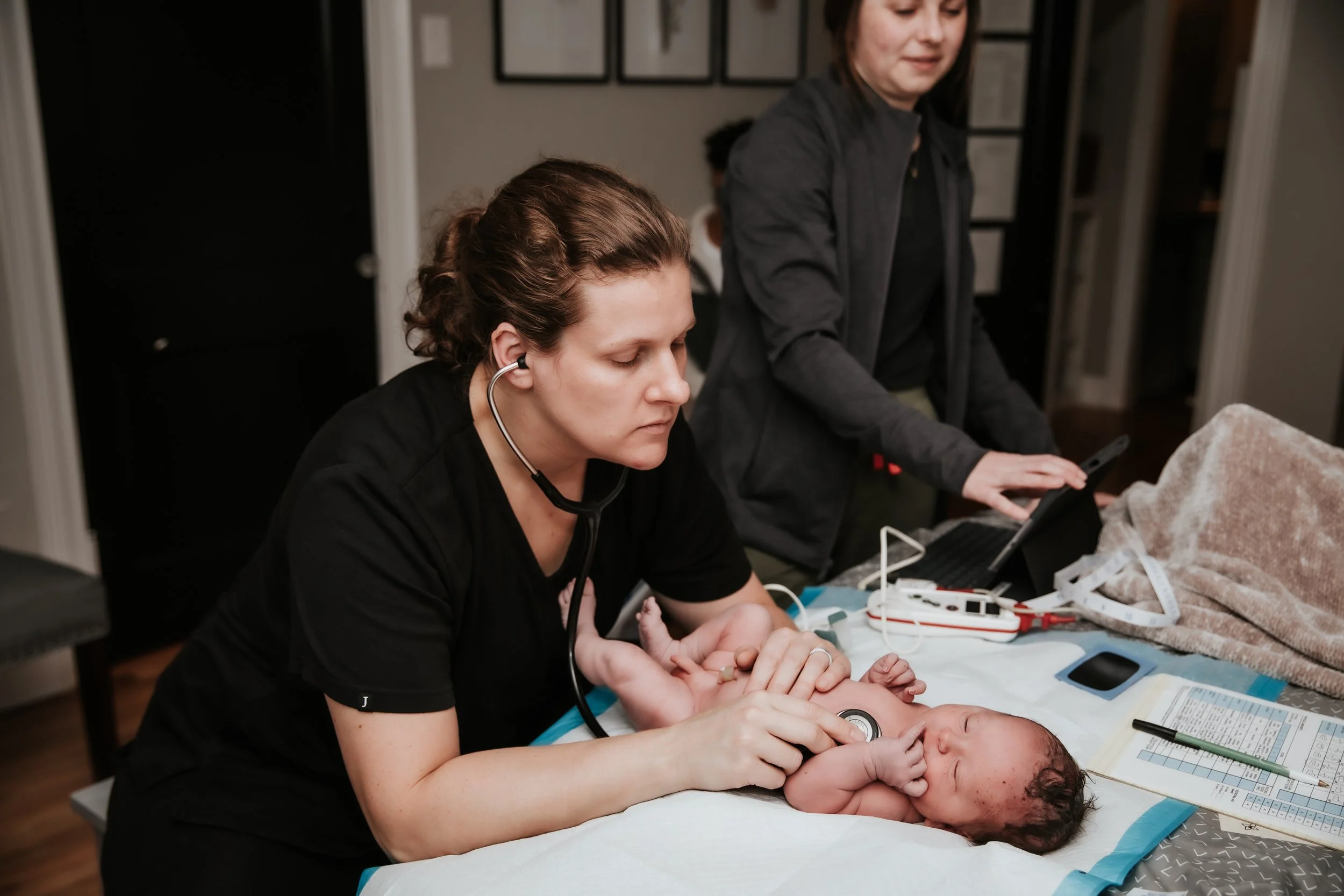
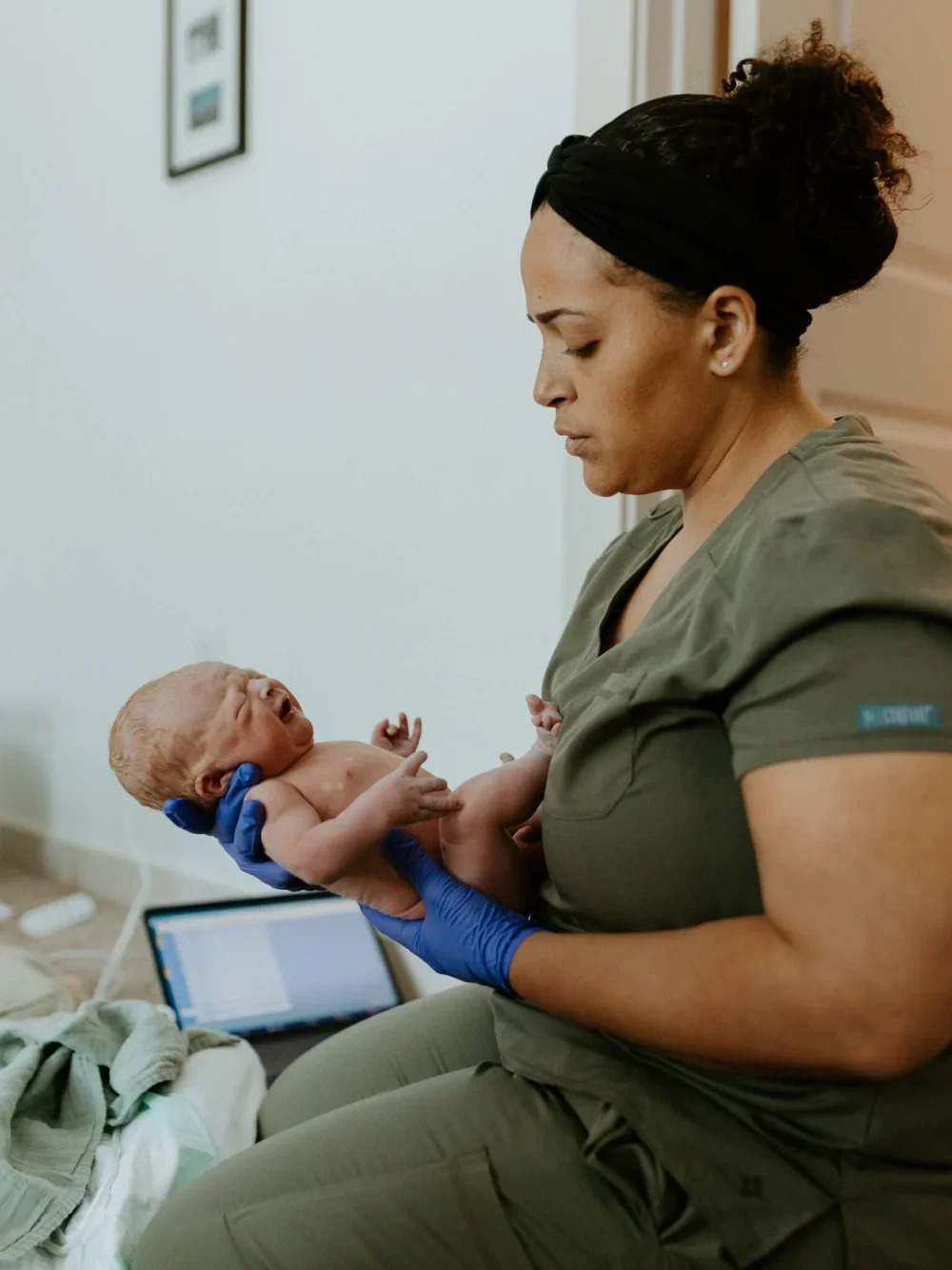
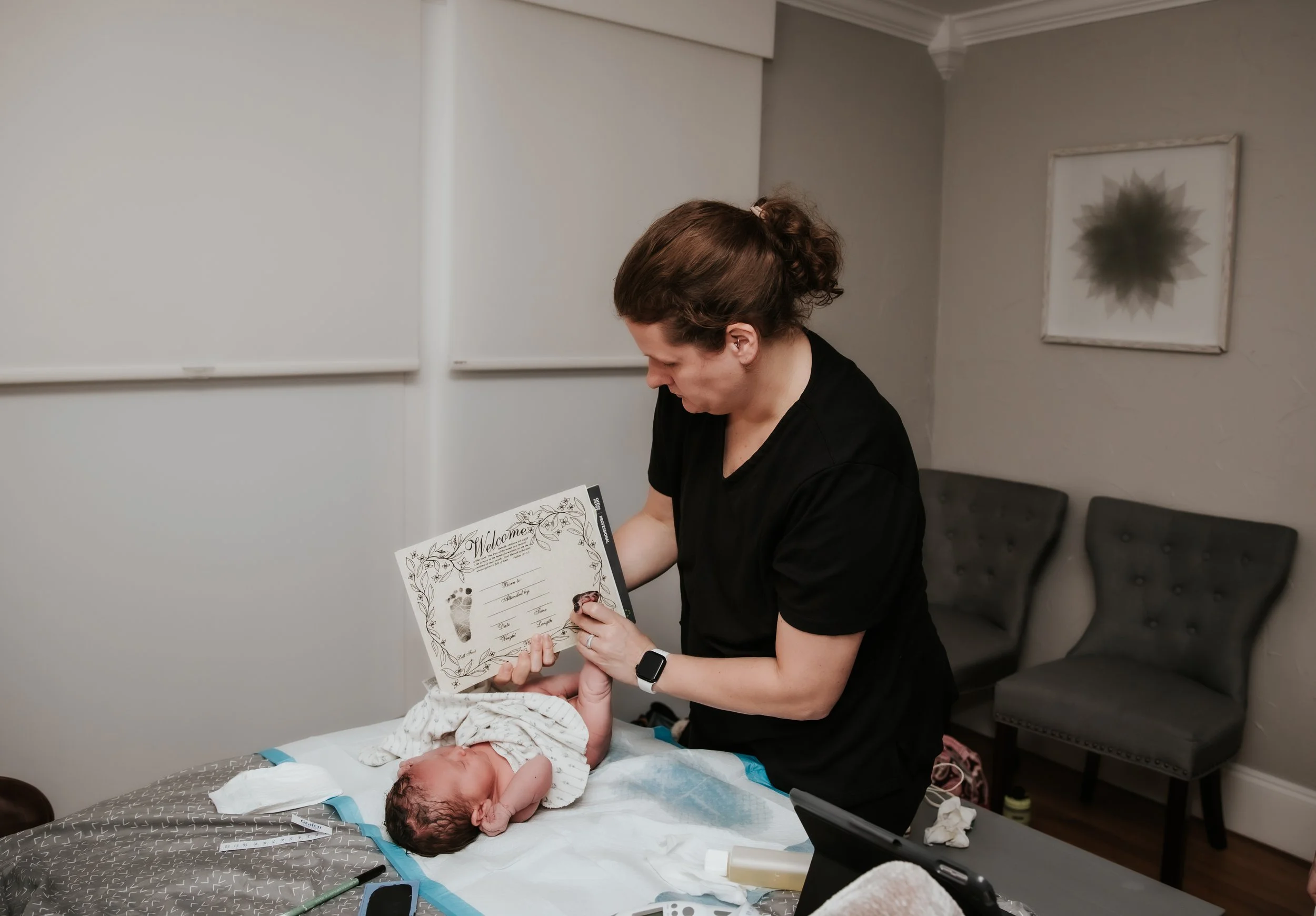

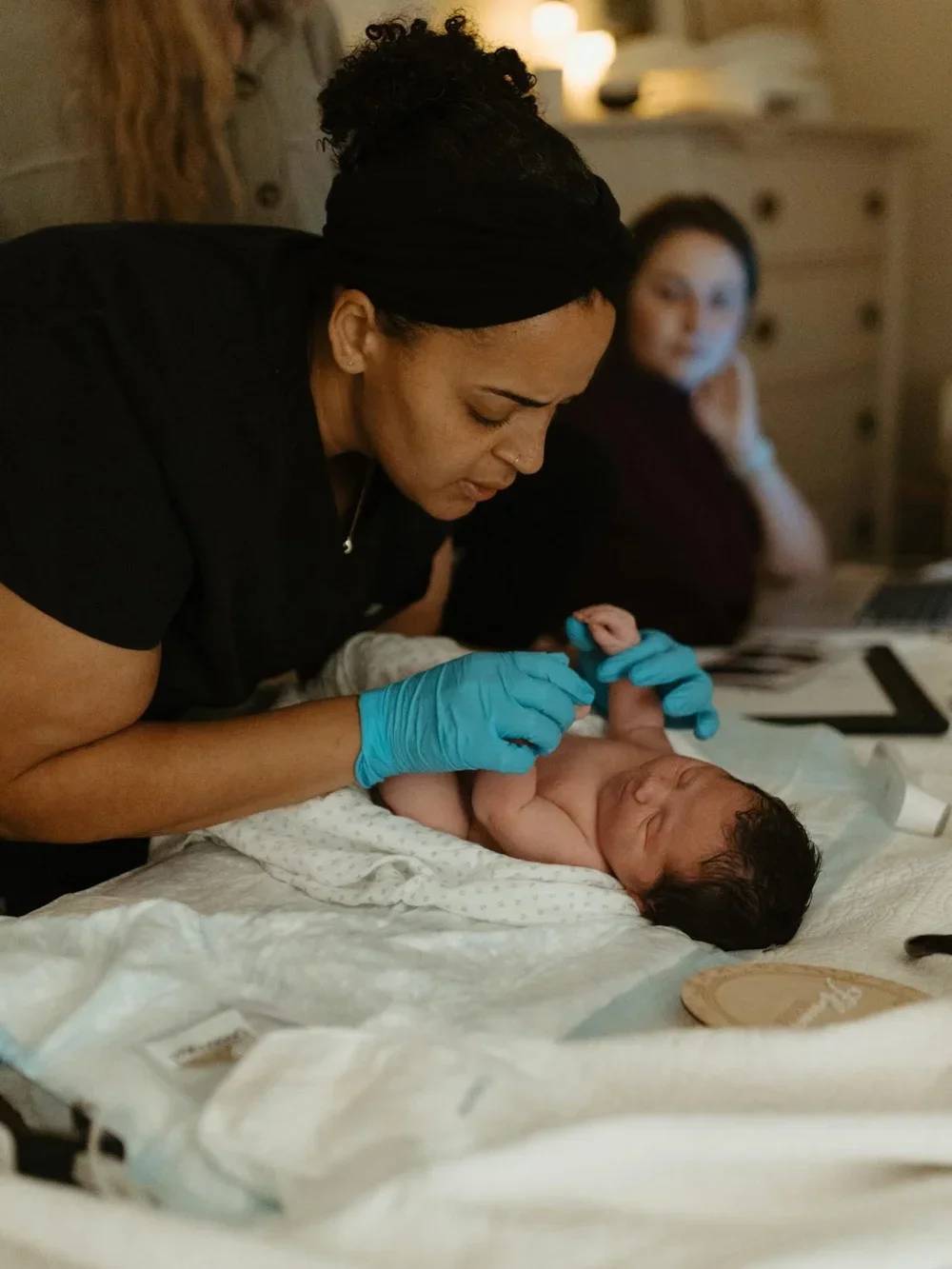

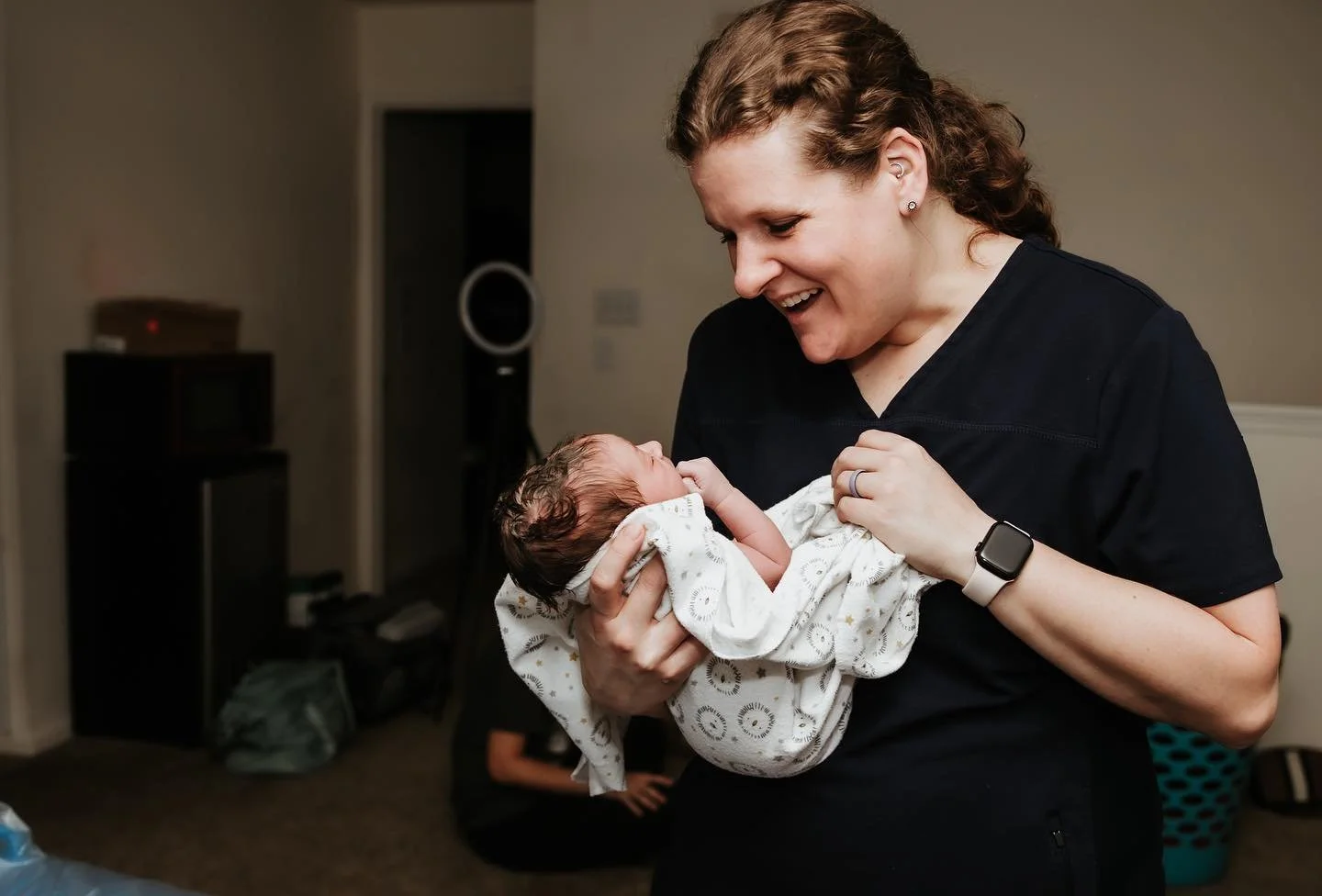




The women who will support you throughout
pregnancy, birth, and postpartum.
The women who will support you throughout pregnancy, birth, and postpartum.
Our office is conveniently located in Katy, making quality midwifery and birth center care easily accessible for families throughout Katy and the surrounding Houston communities.
Katy Birth Center
1002 Avenue A
Katy, TX 77493