

What To Expect During a Home Birth
If you're considering a home birth, it's natural to have questions about what the experience actually looks like.
Many families are surprised to learn that home birth involves much more than simply giving birth at home. A successful home birth begins with comprehensive prenatal care, careful planning, ongoing assessment, and continuous support from experienced licensed midwives.
At Katy Birth Center, we guide families through every stage of the process, helping them feel informed, prepared, and confident as they welcome their baby.
Here's what you can expect during a planned home birth.
Before Labor Begins
A home birth starts long before contractions begin.
Throughout pregnancy, you'll receive prenatal care designed to monitor both your health and your baby's development while preparing you for labor, birth, and postpartum recovery.
Prenatal visits typically include:
Blood pressure monitoring
Fetal growth assessments
Listening to baby's heartbeat
Lab work and testing recommendations
Nutrition guidance
Birth planning
Education and preparation
Questions and discussion
As your due date approaches, we'll also discuss home birth logistics, supplies, emergency planning, and what to expect when labor begins.
Preparing Your Home
Many families wonder whether they need a special house or large amount of space for a home birth.
The answer is usually no.
Home births take place in apartments, townhomes, suburban homes, and rural properties alike.
As labor approaches, you'll prepare a few simple items such as:
Towels
Washcloths
Extra sheets
Waterproof mattress protection
Receiving blankets
Postpartum supplies
If you're planning a water birth, we'll also discuss birth tub setup and preparation.
We'll provide a detailed supply list well before your due date.
The Early Signs Of Labor
Labor often begins gradually.
You may experience:
Mild contractions
Cramping
Back discomfort
Increased pelvic pressure
Changes in vaginal discharge
Rupture of membranes (water breaking)
Early labor can last hours or even days, especially for first-time mothers.
During this stage, we often encourage families to rest, eat, hydrate, and conserve energy rather than rushing into active labor mode.
Calling Your Midwife
When labor begins, you'll stay in communication with your midwife.
We'll discuss:
Contraction patterns
Baby's movements
Your comfort level
Any concerns or questions
Many mothers are surprised by how much labor can progress before a midwife needs to arrive.
Our goal is to support you while allowing labor to unfold naturally.
Active Labor At Home
As contractions become stronger and more consistent, your midwife will arrive and begin providing in-person support.
During labor, your midwife will:
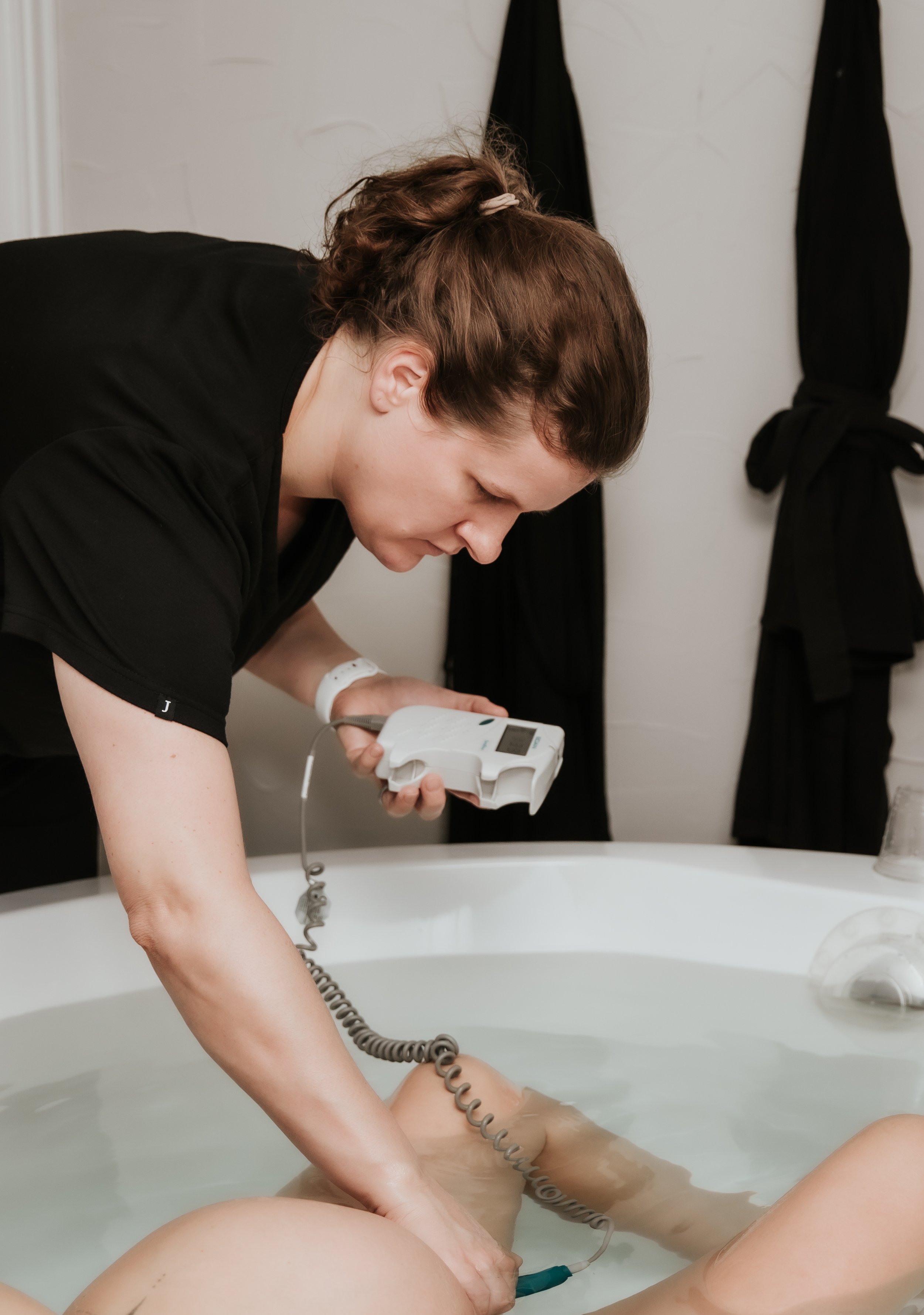
Monitor baby's heart rate
Check maternal vital signs
Assess labor progress
Provide encouragement
Suggest position changes
Support comfort measures
Answer questions
Monitor overall well-being
Throughout labor, both mother and baby continue to be assessed regularly.
Creating Your Labor Environment
One of the biggest advantages of home birth is the ability to create an environment that feels comfortable and familiar.
Many families choose:
Dim lighting
Music
Candles or battery-operated lights
Essential oils
Comfortable clothing
Familiar surroundings
Their own bed
Personal support people
Because you're at home, you're free to move about your space and create the atmosphere that feels right for you.
Comfort Measures During Labor
Every labor is different, and every mother copes differently.
Your midwife may suggest:
Walking
Position changes
Hands-and-knees positioning
Birth ball use
Showering
Water immersion
Massage
Counter pressure
Breathing techniques
The goal is to help you work with your labor rather than fight against it.
Water Labor & Water Birth
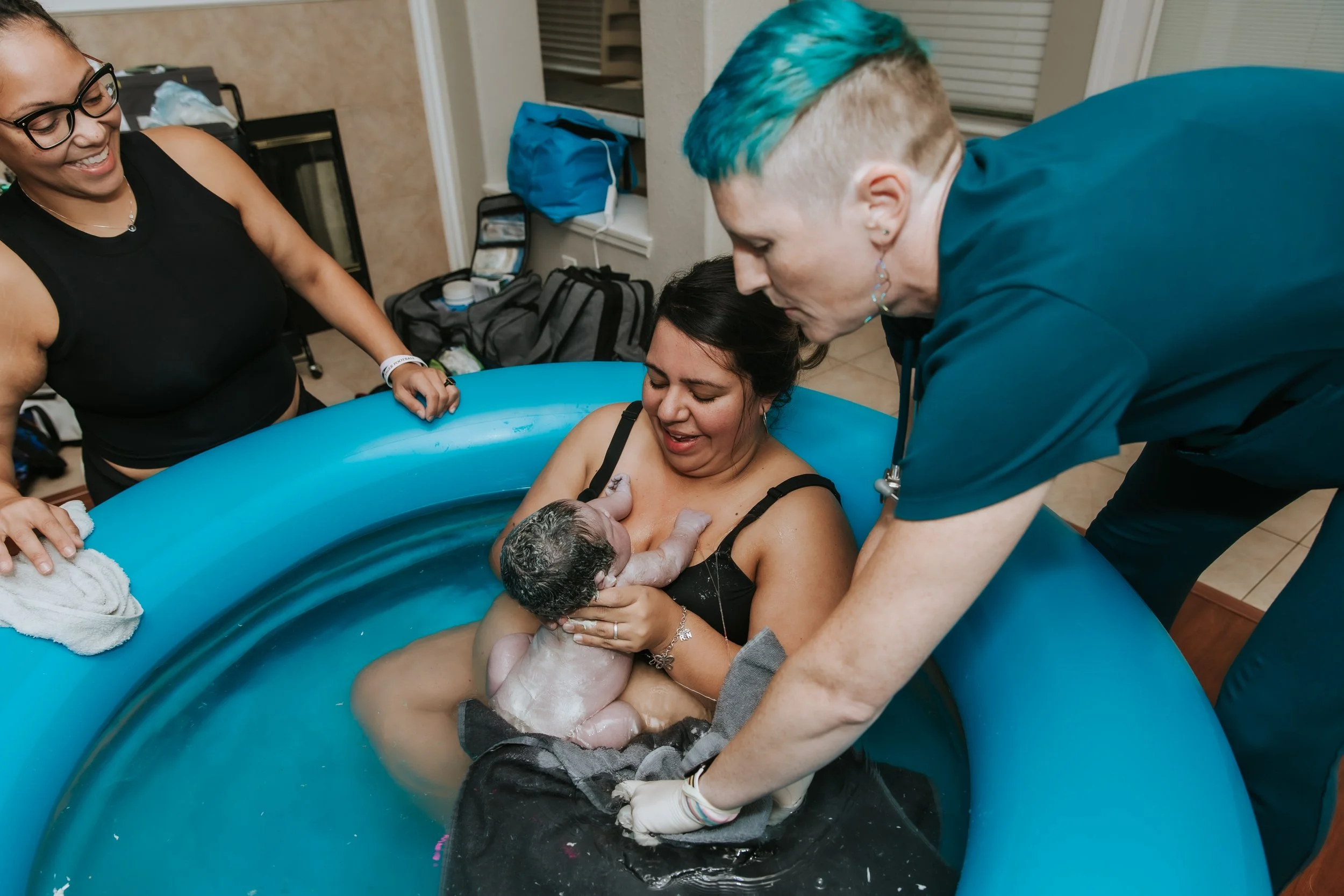
Many home birth families choose to labor or give birth in water.
Warm water can provide:
Relaxation
Buoyancy
Comfort during contractions
Freedom of movement
Reduced pressure on joints and muscles
Some mothers labor in water and give birth elsewhere, while others remain in the tub for delivery.
There is no right or wrong approach.
The Pushing Stage
One of the most common misconceptions about birth is that pushing begins because someone tells you it's time.
More often, pushing begins because your body begins working with your baby to bring them into the world.
Many mothers experience a natural urge to push as labor progresses.
Your midwife will provide guidance and support while allowing your body to work with the birth process whenever possible.
Pushing positions may include:
Squatting
Hands and knees
Side-lying
Kneeling
Sitting
Water birth positions
The goal is to find positions that feel effective and comfortable for you.
Meeting Your Baby
After your baby is born, the room often becomes remarkably calm.
Whenever possible, your baby is placed directly on your chest for immediate skin-to-skin contact.
During this time:
Bonding begins
Feeding may begin
Baby adjusts to life outside the womb
Your midwife continues monitoring both mother and baby
These first moments are often among the most memorable parts of the birth experience.
The First Few Hours After Birth
Unlike a hospital birth where families often move between rooms and providers, home birth allows you to remain where you are.
Your midwife stays with your family while:
Monitoring recovery
Assessing bleeding
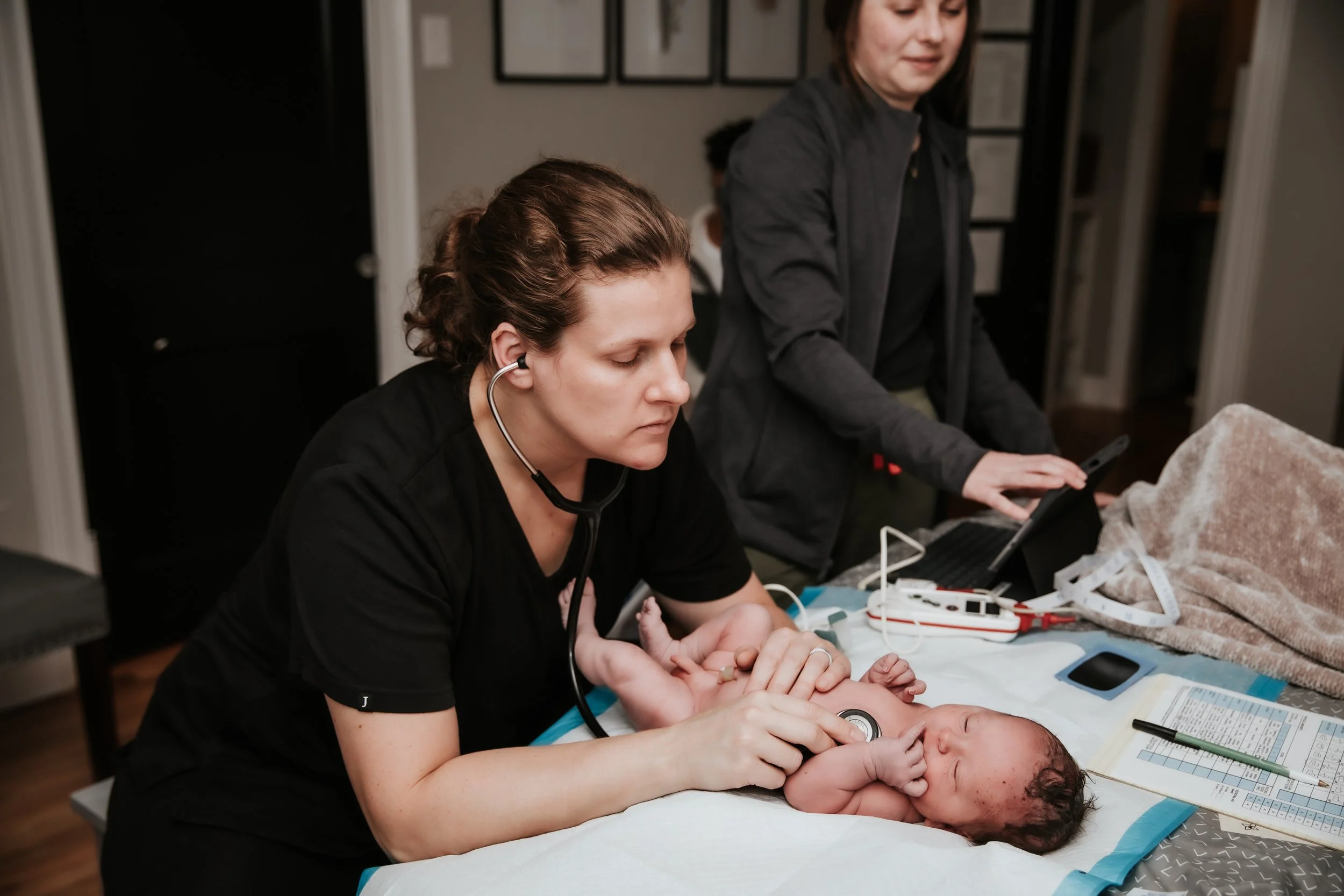
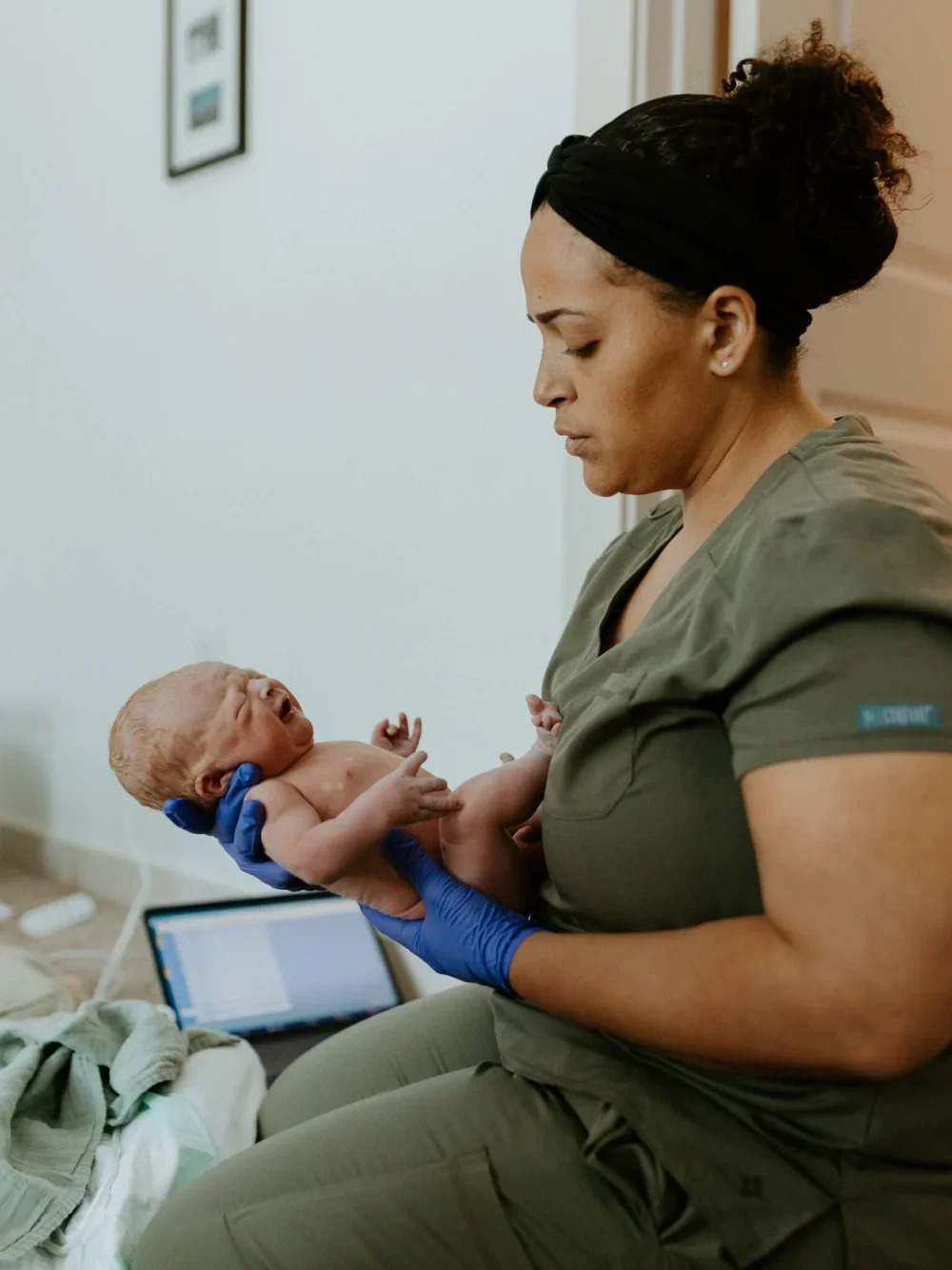
Evaluating your baby's well-being
Supporting feeding
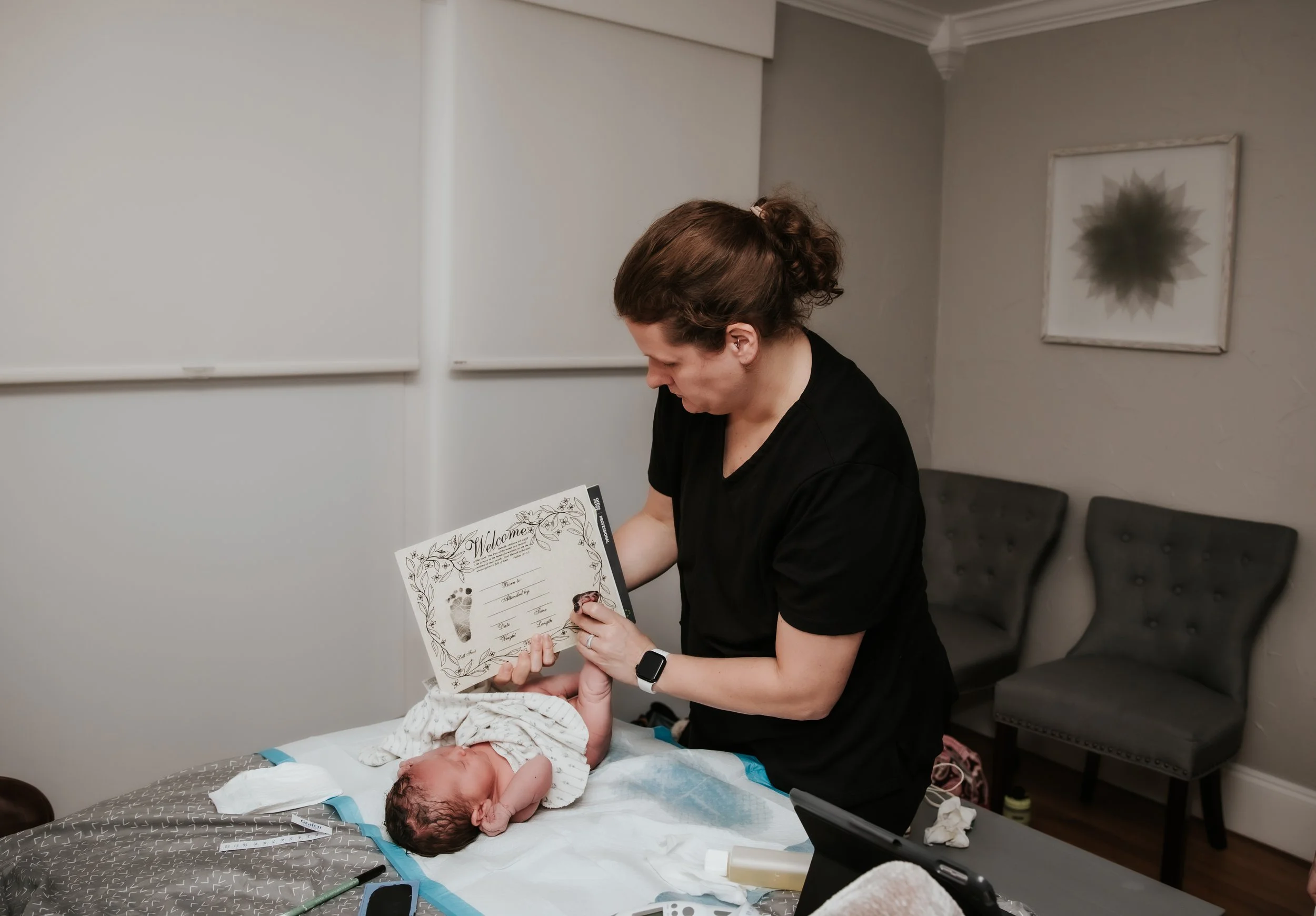
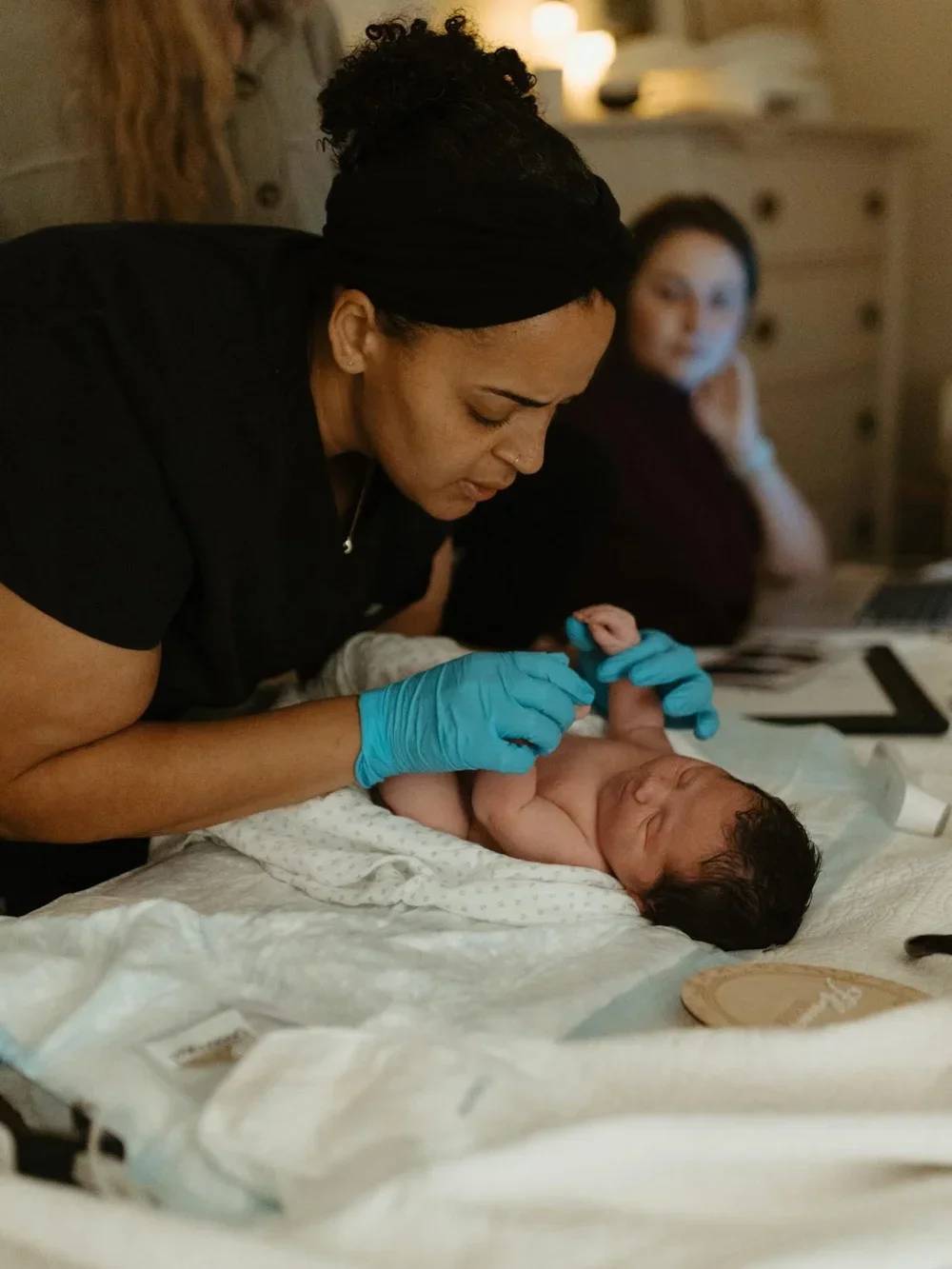
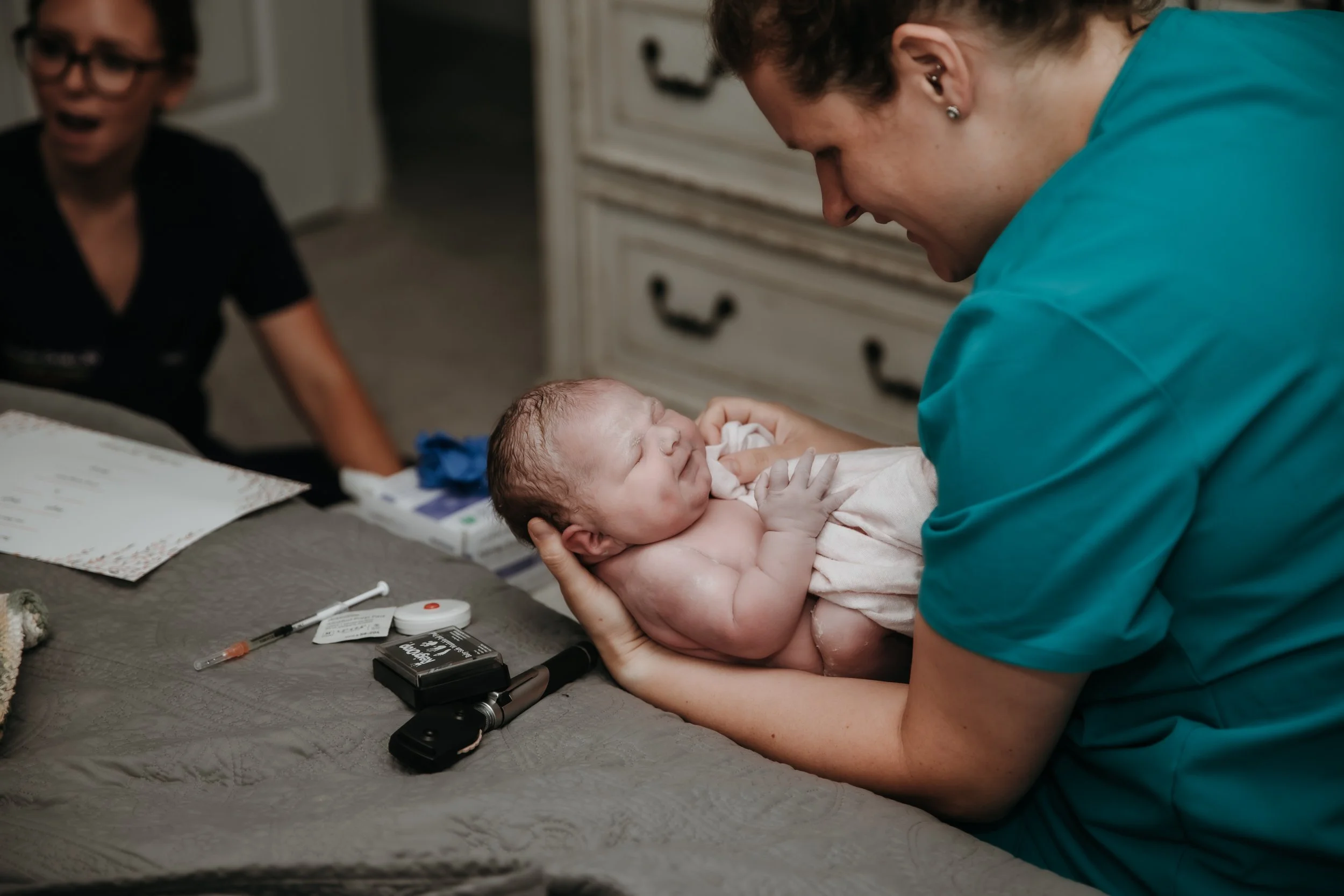
Completing newborn assessments
Answering questions
Many families appreciate being able to rest in their own environment immediately after birth.
What Happens To The Placenta?
After your baby is born, you'll still need to deliver the placenta.
This typically occurs within a short period after birth.
Your midwife will assess the placenta, monitor your recovery, and ensure everything is progressing normally before continuing postpartum care.
If you have preferences regarding placenta encapsulation or preservation, those can be discussed before birth.
What If Plans Change?
One of the most important things to understand about home birth is that flexibility is part of the process.
If labor takes an unexpected turn or additional medical care becomes beneficial, your midwife will discuss options and coordinate care as needed.
Transfers happen for a variety of reasons and should never be viewed as failures.
The goal is always a healthy mother and healthy baby.
Postpartum Care After A Home Birth
One of the biggest benefits of home birth is that recovery begins immediately in your own home.
After birth, you'll continue receiving postpartum support that may include:
Maternal recovery assessments
Newborn evaluations
Breastfeeding support
Follow-up visits
Ongoing communication with your care team
Many families tell us that this continued support is one of the most valuable aspects of midwifery care.
Frequently Asked Questions
How long does a home birth take?
Every labor is unique. Some births are relatively quick, while others take significantly longer. Rather than focusing on time, we focus on labor progress and the well-being of mother and baby.
Can first-time moms have a home birth?
Often, yes. Many first-time mothers are excellent candidates for home birth when they are healthy and experiencing a low-risk pregnancy.
What if my water breaks before labor starts?
Your midwife will discuss your symptoms, baby's movements, and next steps based on your individual circumstances.
Can I change my mind and go to the hospital?
Absolutely. Families can request hospital transfer at any point during labor if circumstances or preferences change.
Will my children be able to attend?
Many families choose to include older children in the birth experience. We recommend having a dedicated support person available to care for siblings during labor.
Related Resources
Ready To Learn More About Home Birth?
Every family's birth journey is unique.
If you're considering home birth and want to learn more about what the experience may look like, we'd love to answer your questions and help you explore your options.
Schedule a consultation with Katy Birth Center today.



Our office is conveniently located in Katy, making quality midwifery and birth center care easily accessible for families throughout Katy and the surrounding Houston communities.
Katy Birth Center
1002 Avenue A
Katy, TX 77493