

Can First-Time Moms Have a Home Birth?
One of the most common misconceptions about home birth is that it's only for women who have already had babies.
The truth is that many first-time mothers choose home birth and go on to have safe, empowering, and positive birth experiences.
At Katy Birth Center, we care for many first-time parents who desire a more personalized approach to pregnancy and birth. While every pregnancy is unique, being a first-time mom does not automatically disqualify you from having a home birth.
The most important factor isn't whether you've given birth before—it's whether you're experiencing a healthy, low-risk pregnancy.
Yes, First-Time Moms Can Have a Home Birth
Many women assume they need to "practice" birth in a hospital before considering a home birth for future pregnancies.
In reality, healthy first-time mothers can often be excellent candidates for home birth.
Throughout pregnancy, your midwife carefully evaluates both your health and your baby's health to determine whether home birth remains an appropriate option.
Factors we consider include:
Maternal health history
Pregnancy complications
Blood pressure
Baby's growth and development
Baby's position
Gestational age
Overall pregnancy risk status
Home birth eligibility is based on your individual pregnancy rather than the number of babies you've had.
Why Some First-Time Moms Choose Home Birth
Every family has different reasons for choosing home birth.
Many first-time mothers are drawn to:
Personalized Care
Midwifery appointments are often longer and allow more time for education, questions, and relationship building.
Familiar Surroundings
Laboring in your own home can help many women feel more relaxed and comfortable.
Continuous Support
Rather than seeing multiple providers throughout pregnancy and labor, you'll build relationships with the midwives caring for you.
Freedom During Labor
Many mothers appreciate the ability to eat, drink, move freely, labor in water, and create a birth environment that feels comfortable to them.
Family-Centered Birth
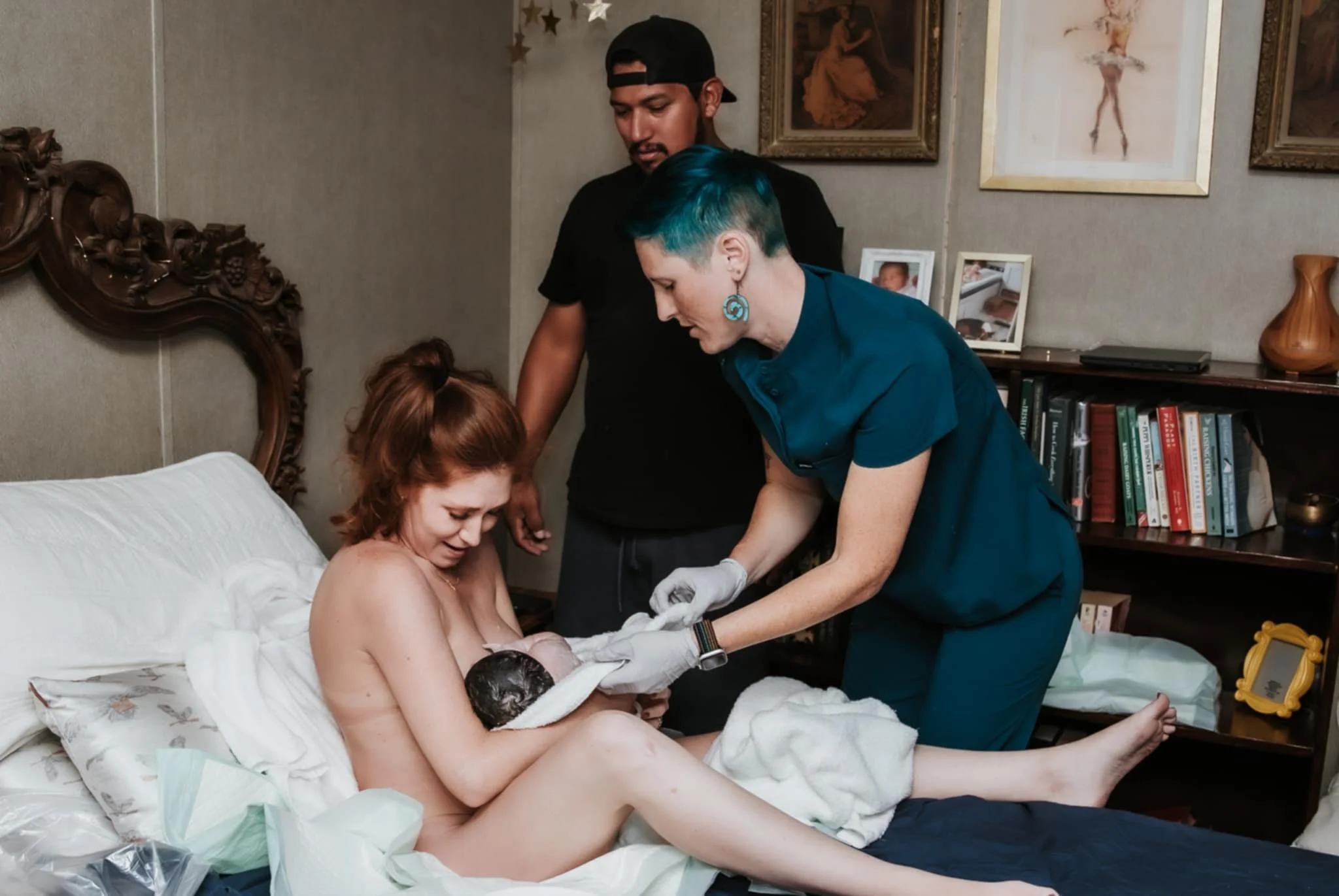
Home birth allows families to welcome their baby in a familiar setting surrounded by the people they choose.
Are First-Time Moms More Likely To Transfer?
This is an important question.
Research and experience consistently show that first-time mothers have higher transfer rates than mothers who have previously given birth.
This does not mean home birth is unsafe for first-time mothers.
Instead, it reflects the fact that first labors are often:
Longer
Less predictable
More physically demanding
More likely to require additional support
Many first-time mother transfers are non-emergent and occur because:
Labor is progressing slowly
Mom is exhausted
Additional pain management is desired
Further evaluation becomes beneficial
Transfers are a normal part of safe maternity care and should never be viewed as a failure.
What Happens If I Need To Transfer?
One of the reasons home birth can be a safe option is that transfer plans are built into the care model.
If circumstances arise where additional medical resources would be beneficial, your midwife will:
Discuss recommendations
Coordinate communication
Transfer records
Help facilitate care
The goal is always the same: a healthy mother and healthy baby.
Many transfers occur calmly and without urgency.
What Is Prenatal Care Like For First-Time Moms?
Many first-time mothers find prenatal care to be one of the biggest benefits of working with a midwife.
Because everything is new, there are naturally many questions.
Prenatal visits often include discussions about:
Pregnancy symptoms
Nutrition
Labor preparation
Birth planning
Newborn care
Breastfeeding
Postpartum recovery
Common fears and concerns
Our goal is to help you feel informed and confident long before labor begins.
How Do Midwives Prepare First-Time Moms For Labor?
Preparation is one of the most important parts of the home birth journey.
Throughout pregnancy, we'll discuss:
Signs of Labor
Understanding when labor is beginning and when to call your midwife.
Comfort Measures
Learning ways to cope with contractions through movement, positioning, water, breathing techniques, and support.
Birth Preferences
Discussing your hopes, goals, and expectations while maintaining flexibility.
Partner Preparation
Helping your partner understand how to support you throughout labor.
Postpartum Planning
Preparing for recovery and life with a newborn.
Education helps reduce fear and build confidence as birth approaches.
Can First-Time Moms Have A Water Birth?
Often, yes.
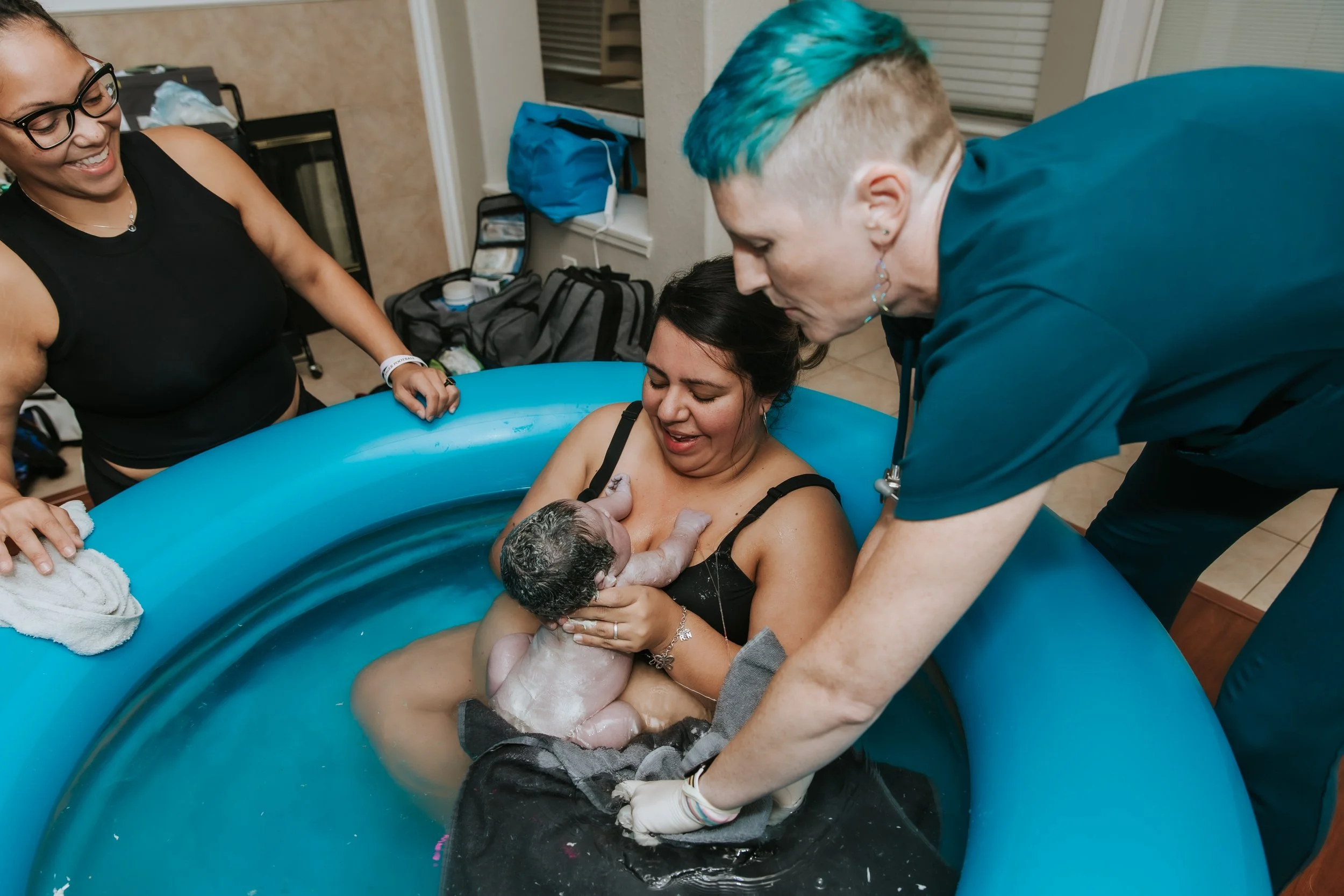
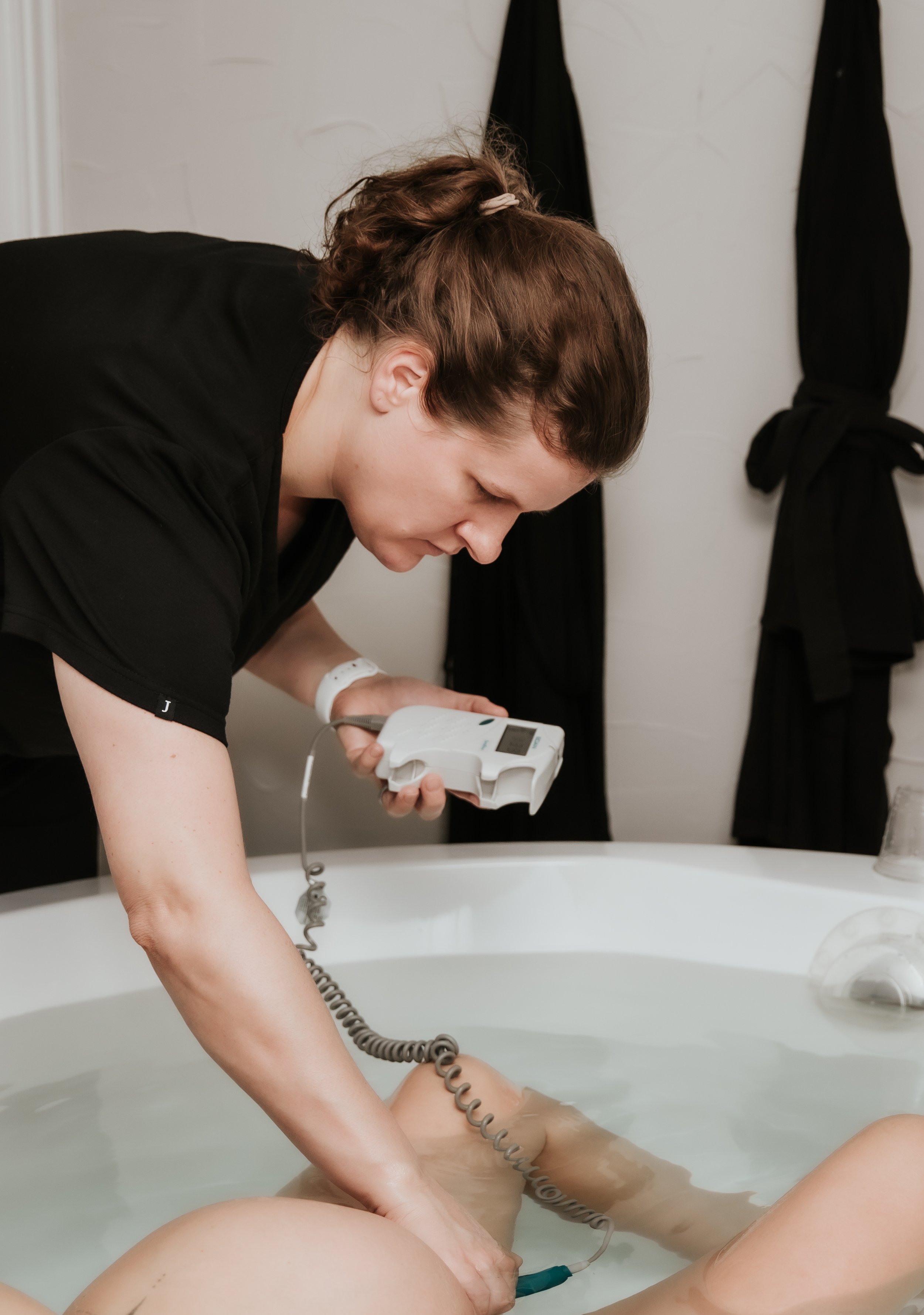
Many first-time mothers choose to labor or give birth in water.
Warm water may provide:
Relaxation
Comfort during contractions
Freedom of movement
Reduced pressure on joints
A calming birth environment
If you're interested in water birth, your midwife will discuss whether it's an appropriate option for your pregnancy.
How Long Is Labor For First-Time Moms?
Every labor is different.
Some first-time mothers have relatively quick births, while others experience longer labors.
One of the biggest myths about birth is that labor follows a predictable timeline.
Rather than focusing on how long labor "should" take, we focus on:
Labor progress
Maternal well-being
Baby's well-being
Overall birth experience
Patience is often one of the most important tools during a first birth.
What If I'm Scared?
You're not alone.
Many first-time mothers experience fear, uncertainty, or anxiety about birth.
In fact, one of the most common things we hear during consultations is:
"I've never done this before."
The good news is that every mother who has ever given birth was a first-time mom once.
Questions, concerns, and fears are completely normal.
Our role is to provide education, support, and guidance so you feel informed and empowered throughout the process.
What Happens After My Baby Is Born?
One of the benefits of home birth is that recovery begins immediately in your own environment.
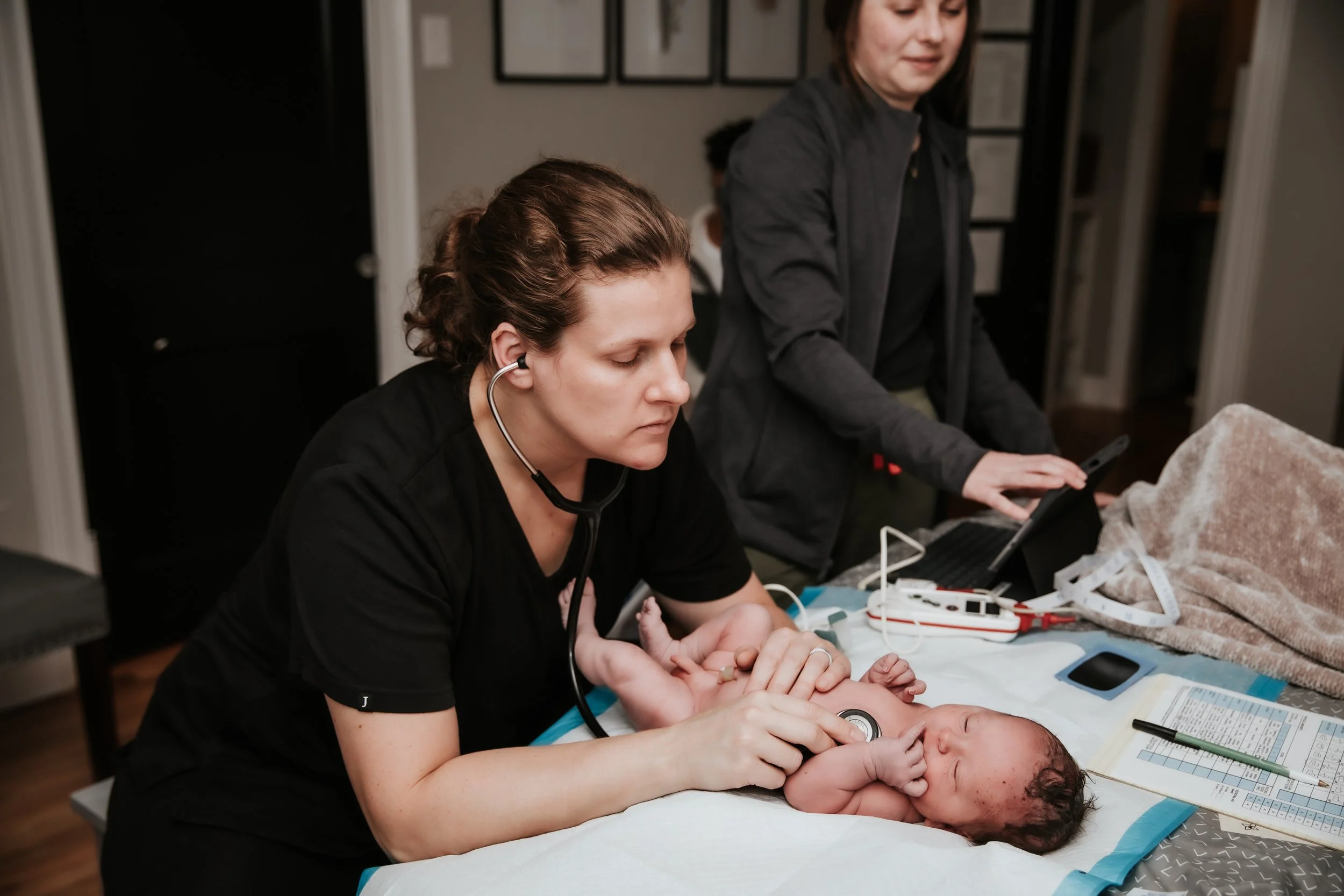
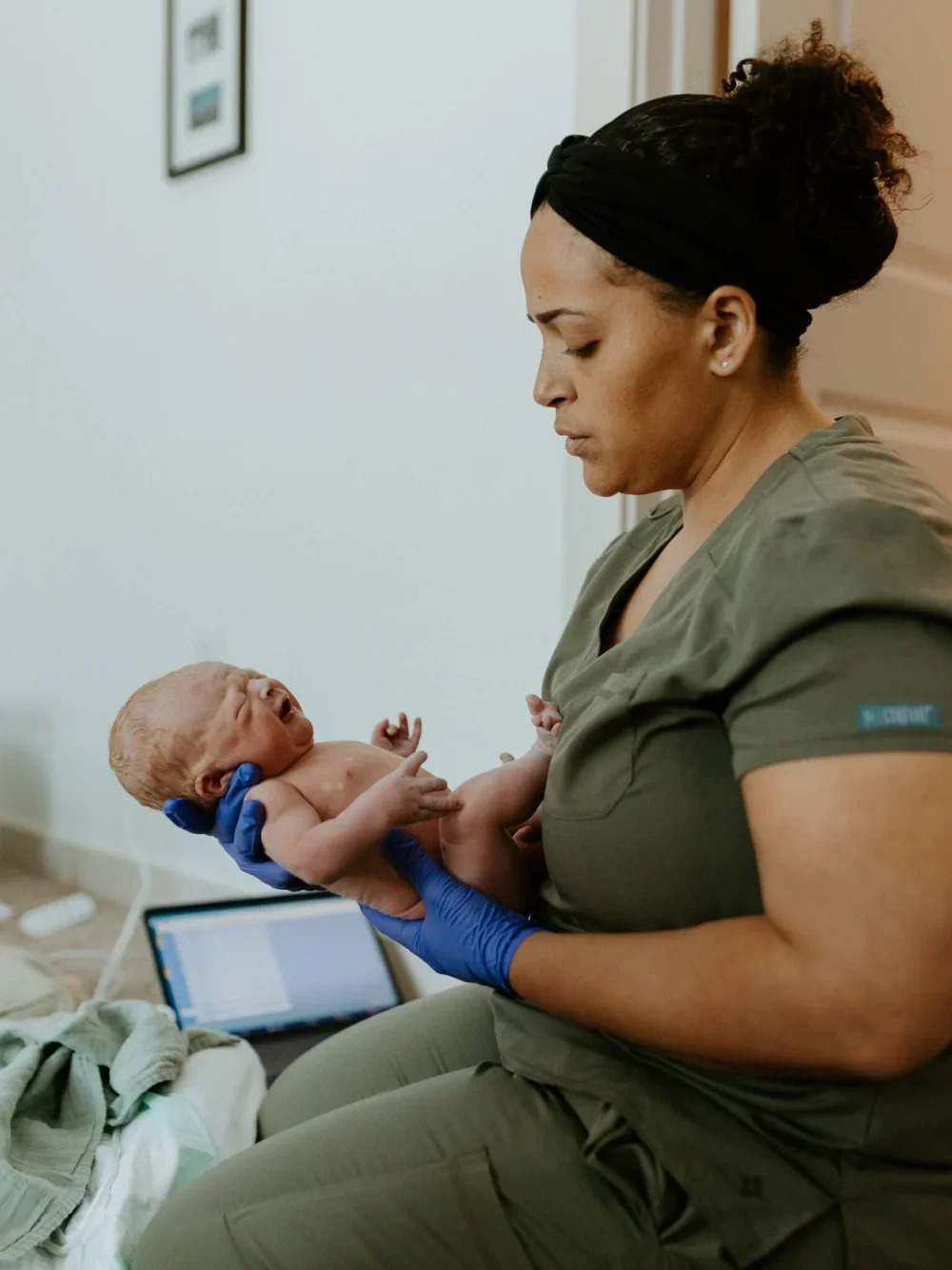
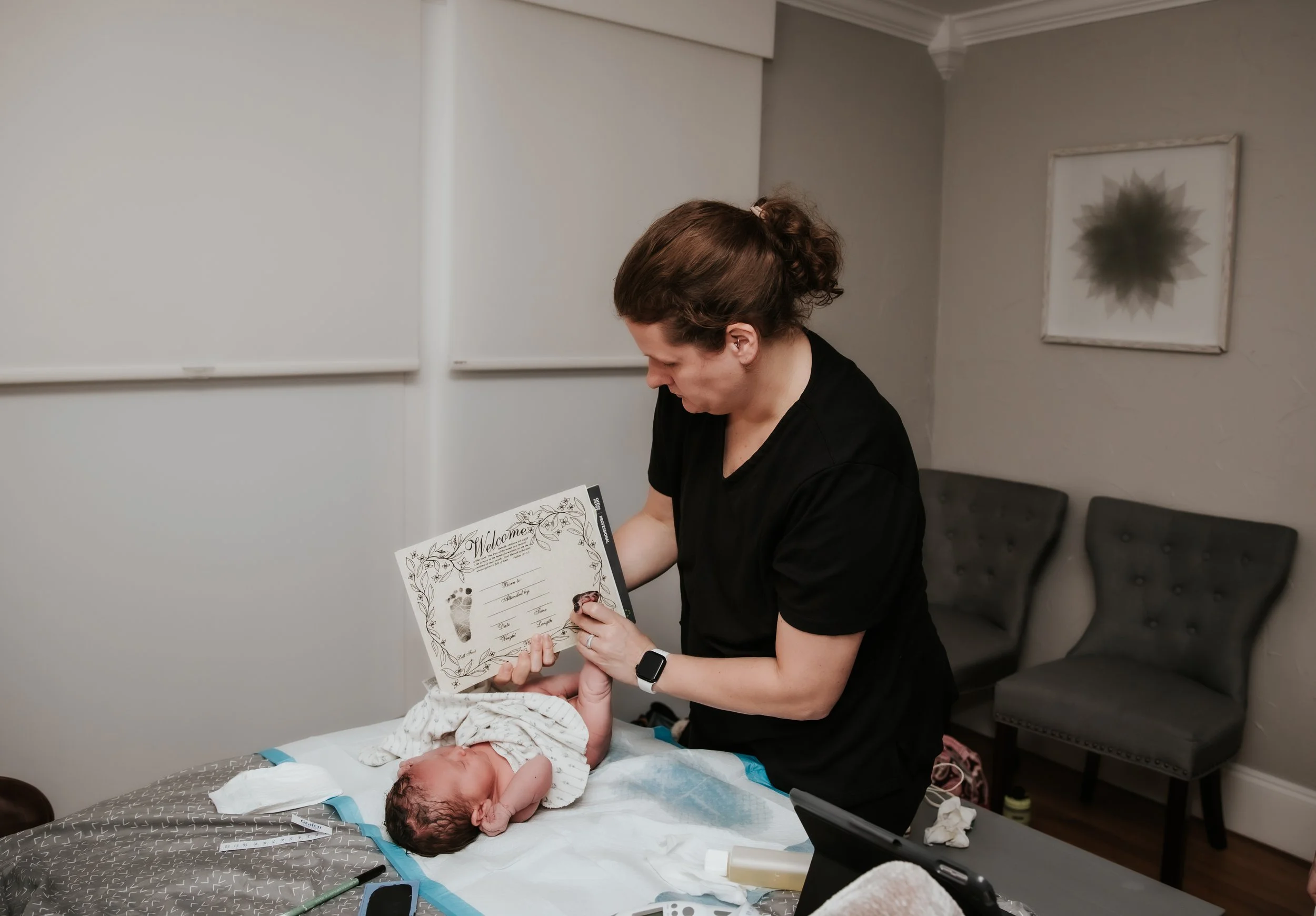
After birth, your midwife remains with you to:
Monitor recovery
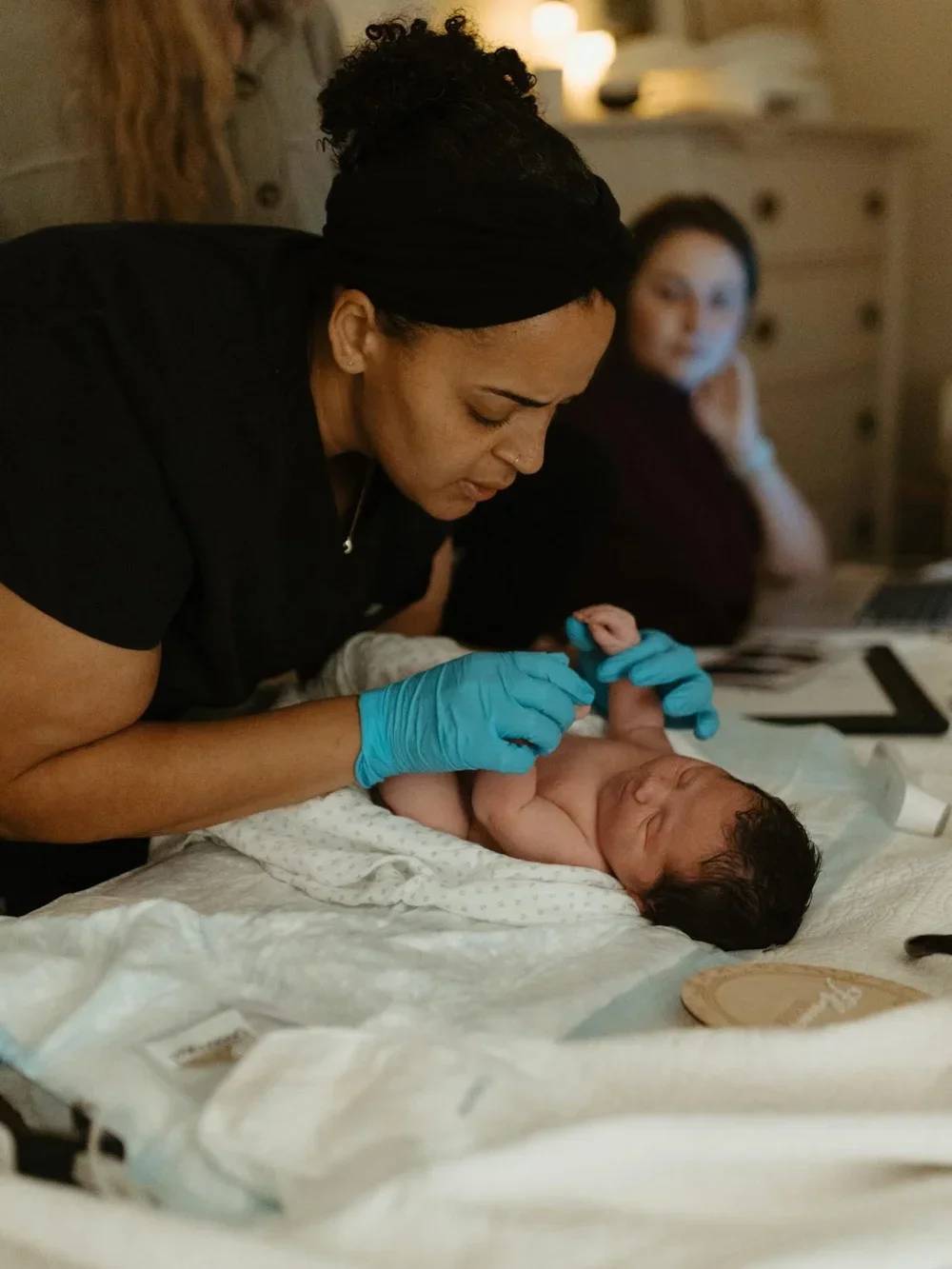
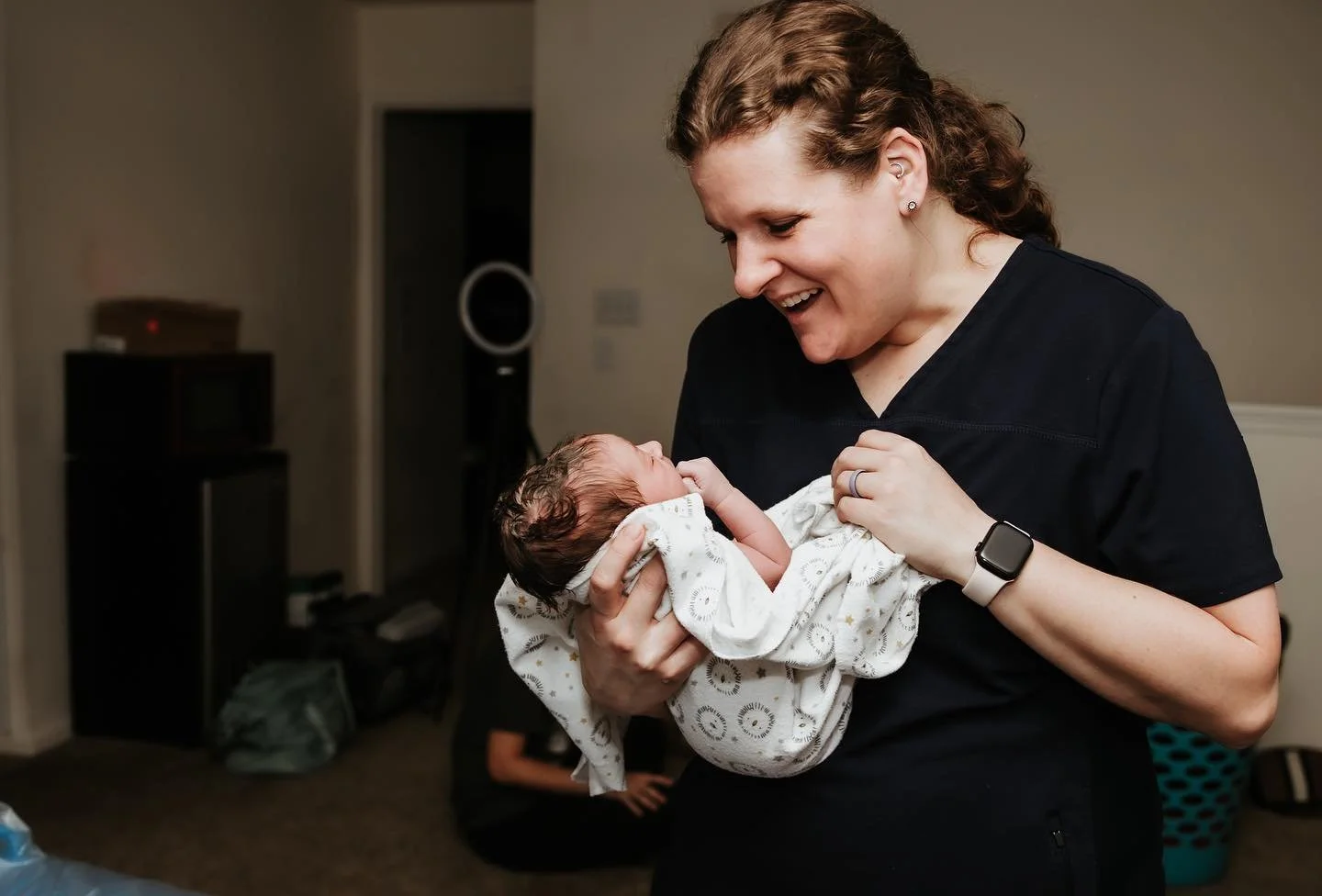
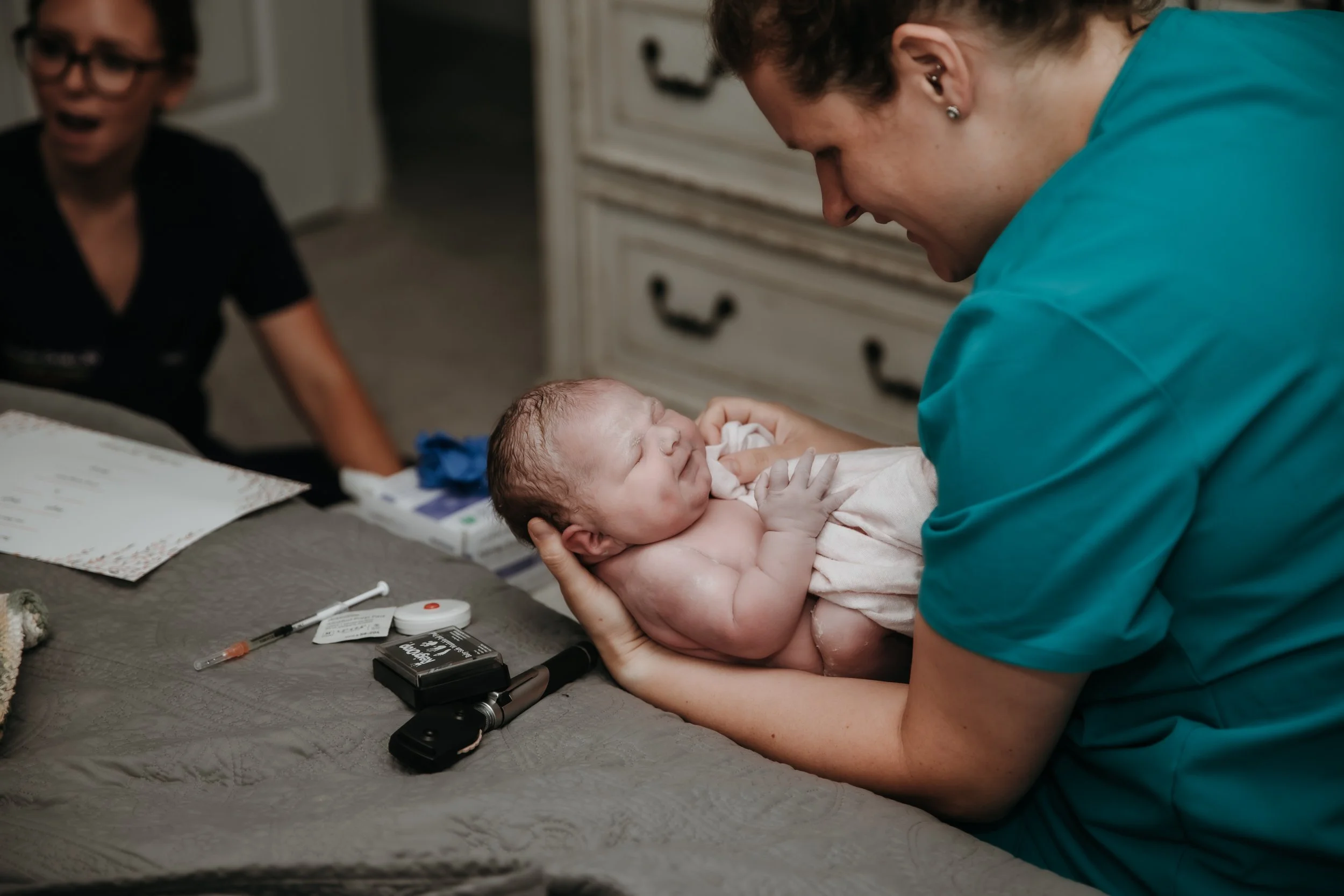
Assess your baby
Support feeding
Answer questions
Ensure everyone is transitioning well
Postpartum care continues through follow-up visits and ongoing support during the newborn period.
Many first-time parents appreciate having continued access to their care team after birth.
Frequently Asked Questions
Can a first-time mom safely have a home birth?
Many healthy first-time mothers experiencing low-risk pregnancies may be candidates for home birth when attended by licensed midwives and supported by appropriate prenatal care.
Will labor be harder because it's my first baby?
First labors are often longer than subsequent labors, but every birth is unique. Preparation, support, and flexibility can make a significant difference.
What if I decide I want an epidural?
If you decide you would like epidural pain management during labor, your midwife can help coordinate a hospital transfer.
Can I still have a home birth if I'm older?
Maternal age alone does not automatically determine eligibility. Your midwife will evaluate your overall health and pregnancy when discussing options.
Do many first-time moms choose home birth?
Yes. Many families choose home birth for their first baby and have positive experiences with personalized midwifery care.
Related Resources
Thinking About Home Birth For Your First Baby?
The best way to determine whether home birth is right for you is to schedule a consultation and learn more about your options.
We'll answer your questions, discuss your pregnancy, and help you decide whether home birth may be a good fit for your family.
Schedule a consultation with Katy Birth Center today.


Our office is conveniently located in Katy, making quality midwifery and birth center care easily accessible for families throughout Katy and the surrounding Houston communities.
Katy Birth Center
1002 Avenue A
Katy, TX 77493