

Frequently Asked Questions About VBAC
Many families who have experienced a cesarean birth wonder whether a vaginal birth is possible in a future pregnancy. For many women, the answer is yes.
A VBAC, or Vaginal Birth After Cesarean, allows mothers the opportunity to labor and give birth vaginally after a previous cesarean delivery. Every pregnancy is unique, and whether VBAC is appropriate depends on your health history, previous birth experiences, and current pregnancy.
At Katy Birth Center, we believe families deserve clear, evidence-based information about their options. Below are answers to some of the most common questions we hear about VBAC.
What is a VBAC?
VBAC stands for Vaginal Birth After Cesarean.
It refers to a vaginal birth that occurs after a previous pregnancy was delivered by cesarean section. Many women are surprised to learn that a previous cesarean does not automatically mean all future births must also be cesarean births.
For appropriately selected candidates, VBAC can be a safe and successful option.
Can I have a VBAC?
Many women are candidates for VBAC, but eligibility depends on several factors, including:
The type of uterine incision used during your cesarean
The reason for your previous cesarean
Your overall health
Your current pregnancy
The number of previous cesareans
Any additional pregnancy complications
The best way to determine whether you may be a candidate is to schedule a consultation and review your medical records with your provider.
Do you offer VBAC care?
Some women seeking a VBAC may qualify for care under our practice, while others may require collaborative care or hospital-based management.
Every VBAC is evaluated individually. Our goal is to help families understand their options and determine the safest plan for their pregnancy and birth.
How long do I need to wait after a cesarean before trying for a VBAC?
This is one of the most common questions we receive.
In general, most providers recommend allowing adequate time for healing between pregnancies after a cesarean birth. Current recommendations often encourage waiting at least 18 months between pregnancies, and evidence suggests that shorter intervals may be associated with a lower likelihood of successful VBAC and a higher risk of complications.
For families specifically considering VBAC, many providers look for approximately 18–24 months between births, which often means waiting about 9–12 months after a cesarean before becoming pregnant again. Recommendations may vary based on your individual history, and we are happy to discuss your situation during a consultation.
Why does timing matter after a cesarean?
After a cesarean birth, your uterus needs time to heal and recover.
Research suggests that shorter intervals between births may be associated with a lower likelihood of successful VBAC and an increased risk of uterine rupture. Allowing adequate time between pregnancies helps support healing and may improve outcomes in future pregnancies.
What was the reason for your previous cesarean?
One of the most important factors when evaluating VBAC eligibility is understanding why the cesarean occurred.
Some reasons are unlikely to repeat, such as:
Breech presentation
Placenta previa
Fetal positioning concerns
Other reasons, such as prolonged labor or failure to progress, may warrant additional discussion and evaluation.
A previous cesarean does not automatically predict how a future labor will unfold.
What are the benefits of VBAC?
Potential benefits of a successful VBAC may include:
Shorter recovery time
Less postoperative pain
Lower risk of surgical complications
Reduced risk of infection
Earlier return to normal activities
Avoiding additional uterine scars
Fewer risks in future pregnancies
Many women also value the opportunity to experience vaginal birth after a previous cesarean.
What are the risks of VBAC?
Like any birth option, VBAC has risks.
One of the primary concerns is uterine rupture, which occurs when the previous cesarean scar separates during labor. While this complication is uncommon, it is one of the reasons careful screening and individualized planning are important.
The risks and benefits of VBAC should always be discussed in the context of your personal health history and pregnancy.
More Questions, Answered
-
Uterine rupture is a rare but serious complication in which the uterine scar from a previous cesarean separates during labor.
While uncommon, it requires immediate medical attention. The likelihood of uterine rupture depends on several factors, including the type of previous incision, number of cesareans, induction methods, and the amount of time between pregnancies.
-
Yes.
Women who have previously given birth vaginally often have higher VBAC success rates than women who have never had a vaginal birth.
A previous vaginal birth demonstrates that your body has successfully completed the labor and birth process before, which can be an encouraging factor when evaluating VBAC candidacy.
-
The answer depends on your individual circumstances.
Some women with multiple prior cesareans may still be candidates for a trial of labor, while others may be advised to pursue a repeat cesarean. Your medical records, surgical history, and current pregnancy all play important roles in determining eligibility.
-
Absolutely.
Many women successfully achieve a VBAC in their first pregnancy after a cesarean. Success depends on many factors, including maternal health, baby's position, labor progression, and the circumstances surrounding the previous cesarean.
-
Typically, yes. Eligibility depends on your individual situation and the recommendations of your care team.
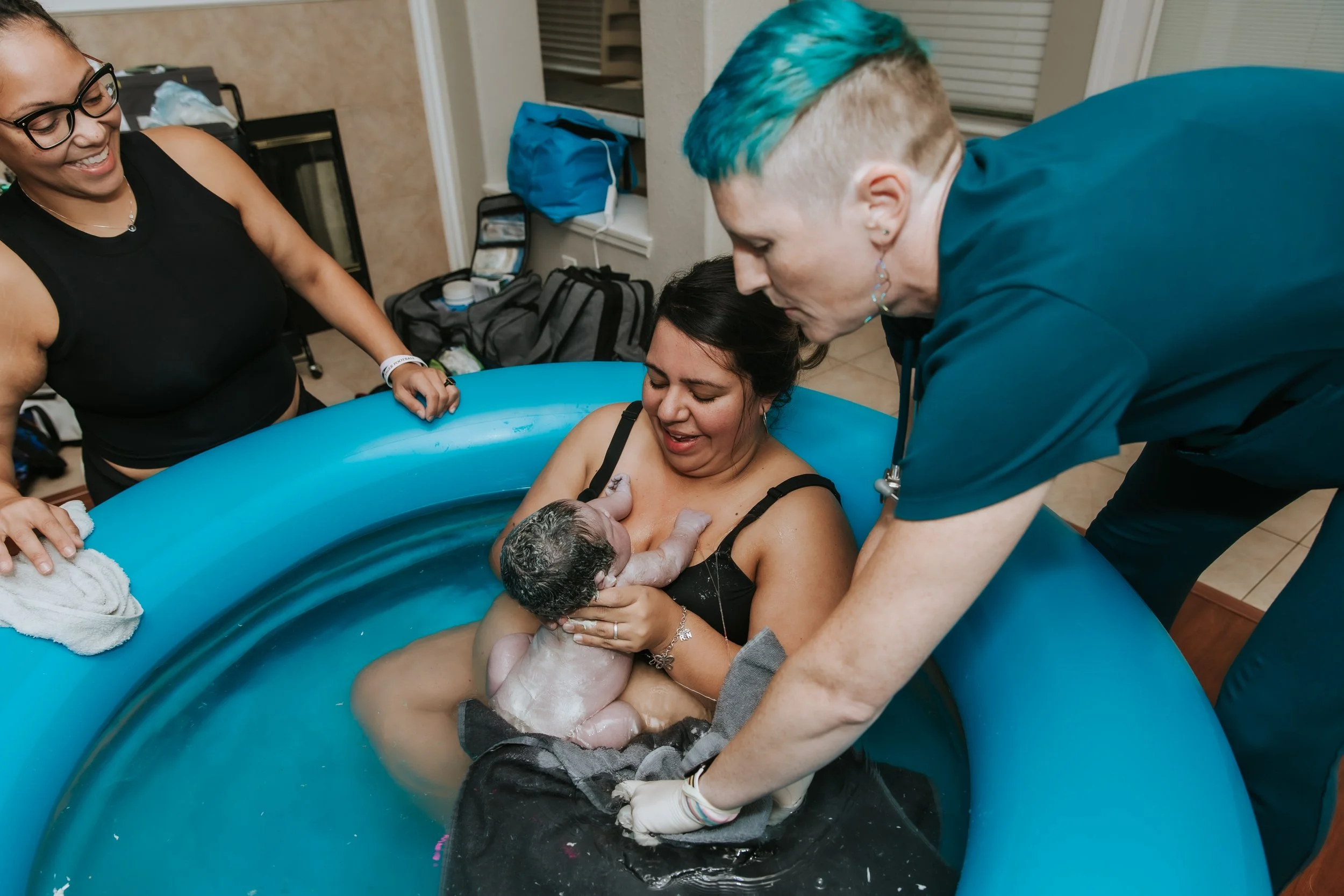
If you are pursuing a VBAC, we will discuss available birth options, safety considerations, and whether water labor or water birth may be appropriate for your circumstances.
-
Labor progress is monitored carefully throughout the birth process.
If concerns arise regarding labor progression, maternal well-being, or fetal well-being, we'll discuss your options and determine the most appropriate next steps based on the circumstances.
-
Induction may be possible in some circumstances, but VBAC pregnancies often require special consideration regarding induction methods.
The safest approach depends on your medical history, pregnancy, cervical readiness, and individual risk factors. These discussions are highly personalized and should occur with your provider.
-
Success rates vary depending on individual circumstances.
Factors that may increase the likelihood of success include:
Previous vaginal birth
Healthy pregnancy
Spontaneous labor
Favorable fetal positioning
Appropriate birth spacing
During your consultation, we can discuss factors that may influence your individual likelihood of success.
-
No.
A previous cesarean does not automatically mean future births must also be cesarean births. Many women go on to have successful vaginal births after cesarean.
The most important step is evaluating your unique circumstances and developing a plan that prioritizes safety and informed decision-making.
-
The decision to pursue a VBAC is deeply personal.
Some families strongly desire a vaginal birth experience, while others prefer a planned repeat cesarean. Neither choice is inherently right or wrong.
Our role is to provide evidence-based information, answer your questions, discuss risks and benefits, and help you determine which path feels best for your family.
Not what you were looking for? Click here to head back to the main FAQ page.
Related Resources
Still Have Questions?
We would love to meet you, answer your questions, and help you explore your options for pregnancy and birth care.
Schedule a consultation to learn more about midwifery care at Katy Birth Center.

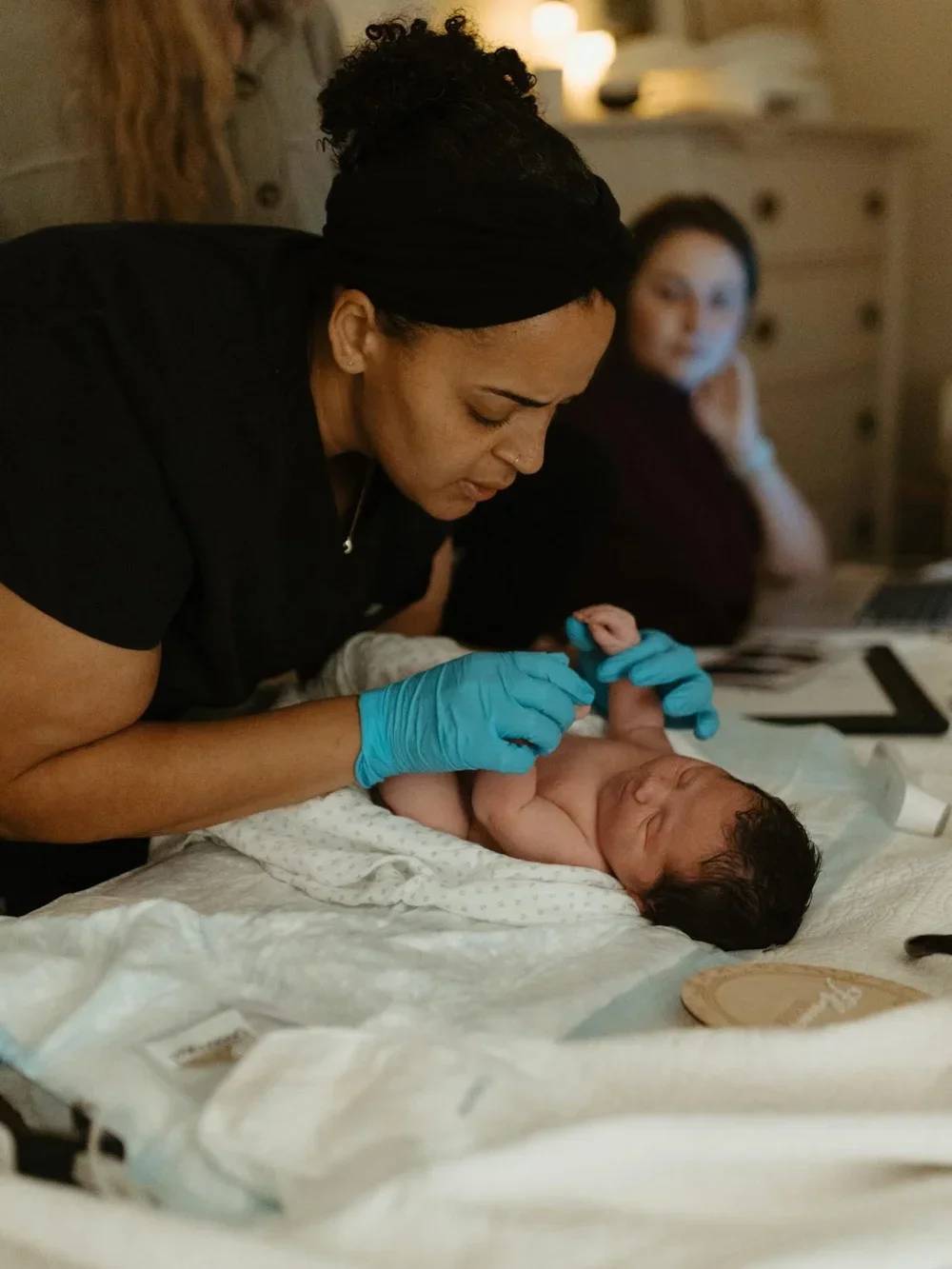
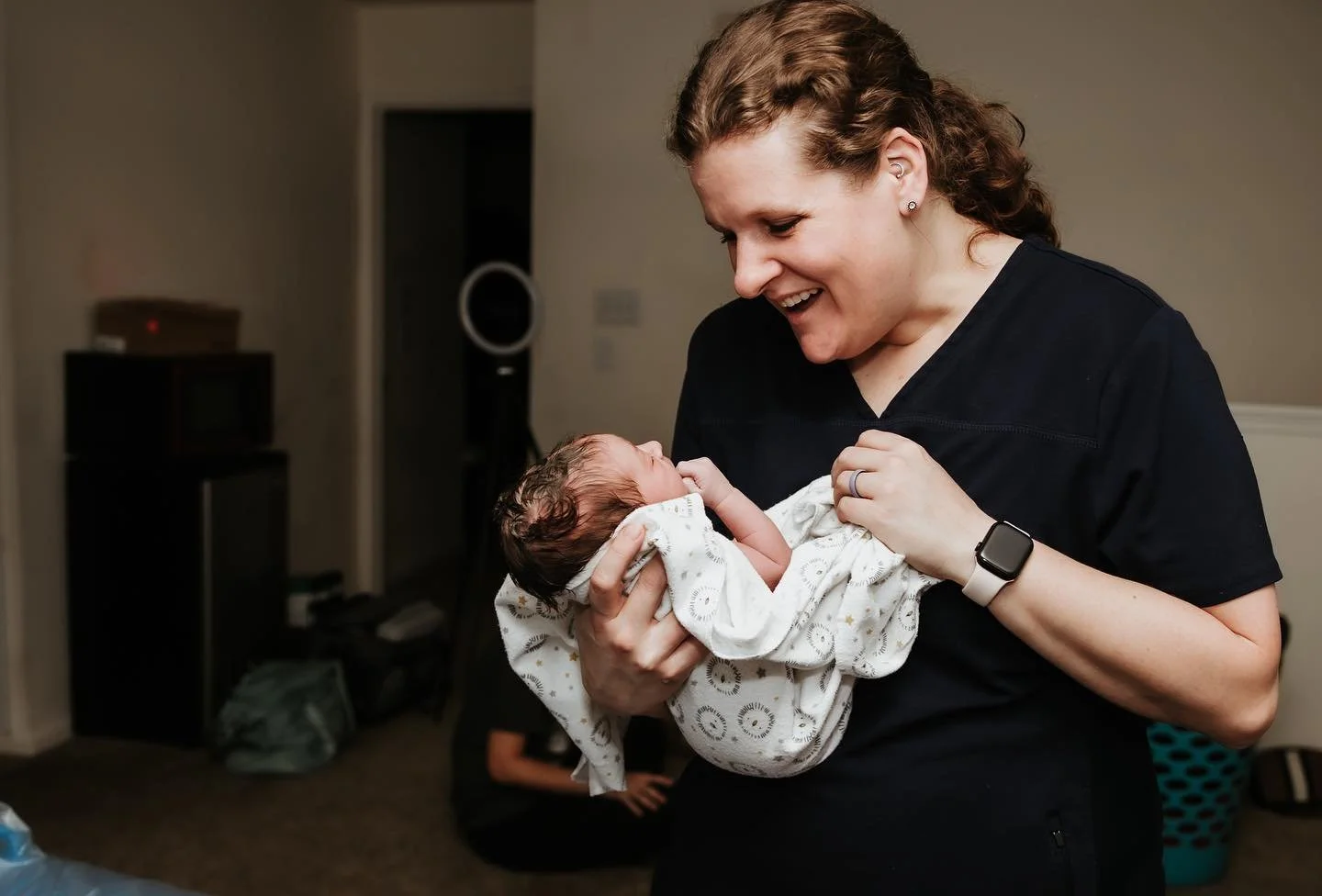
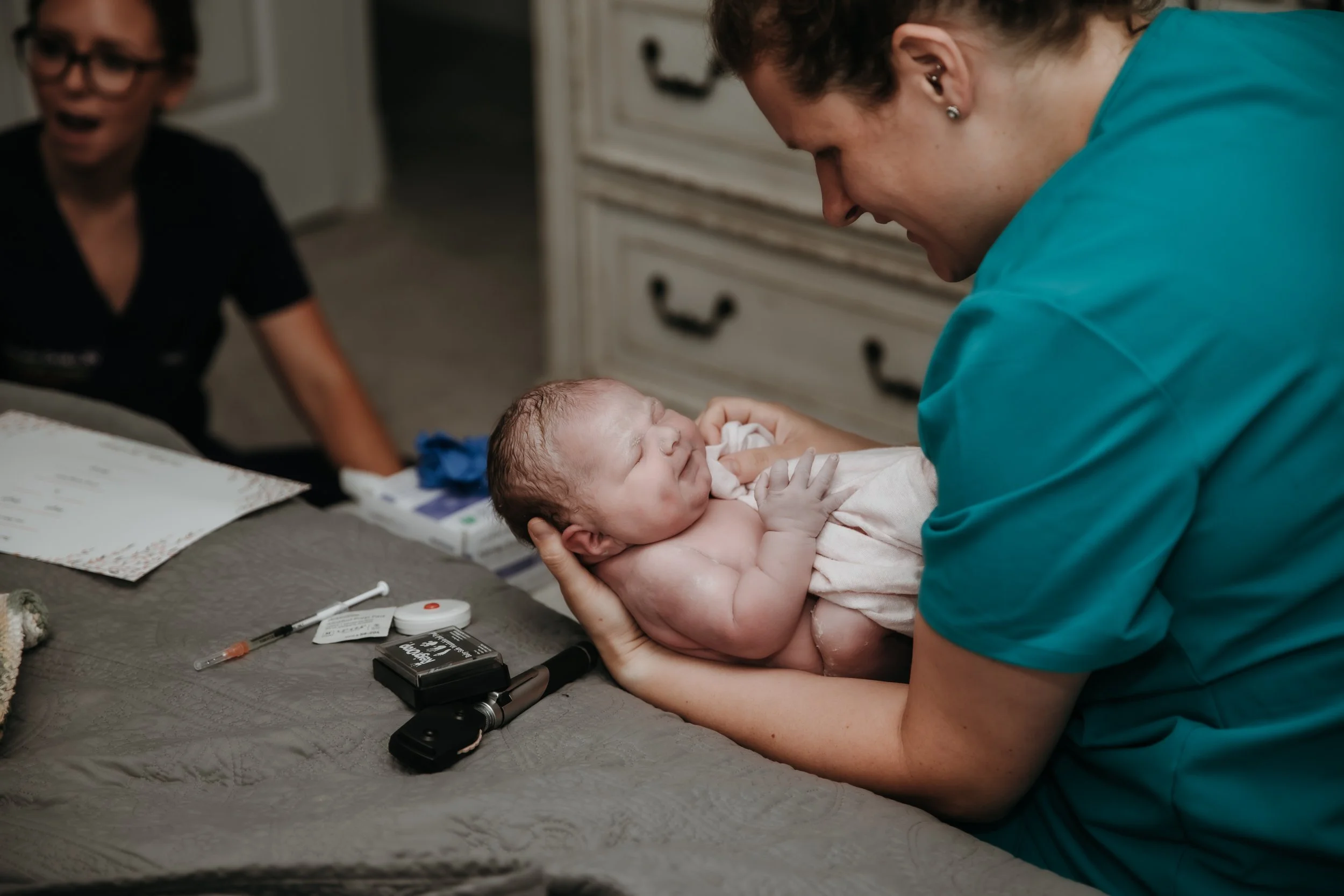


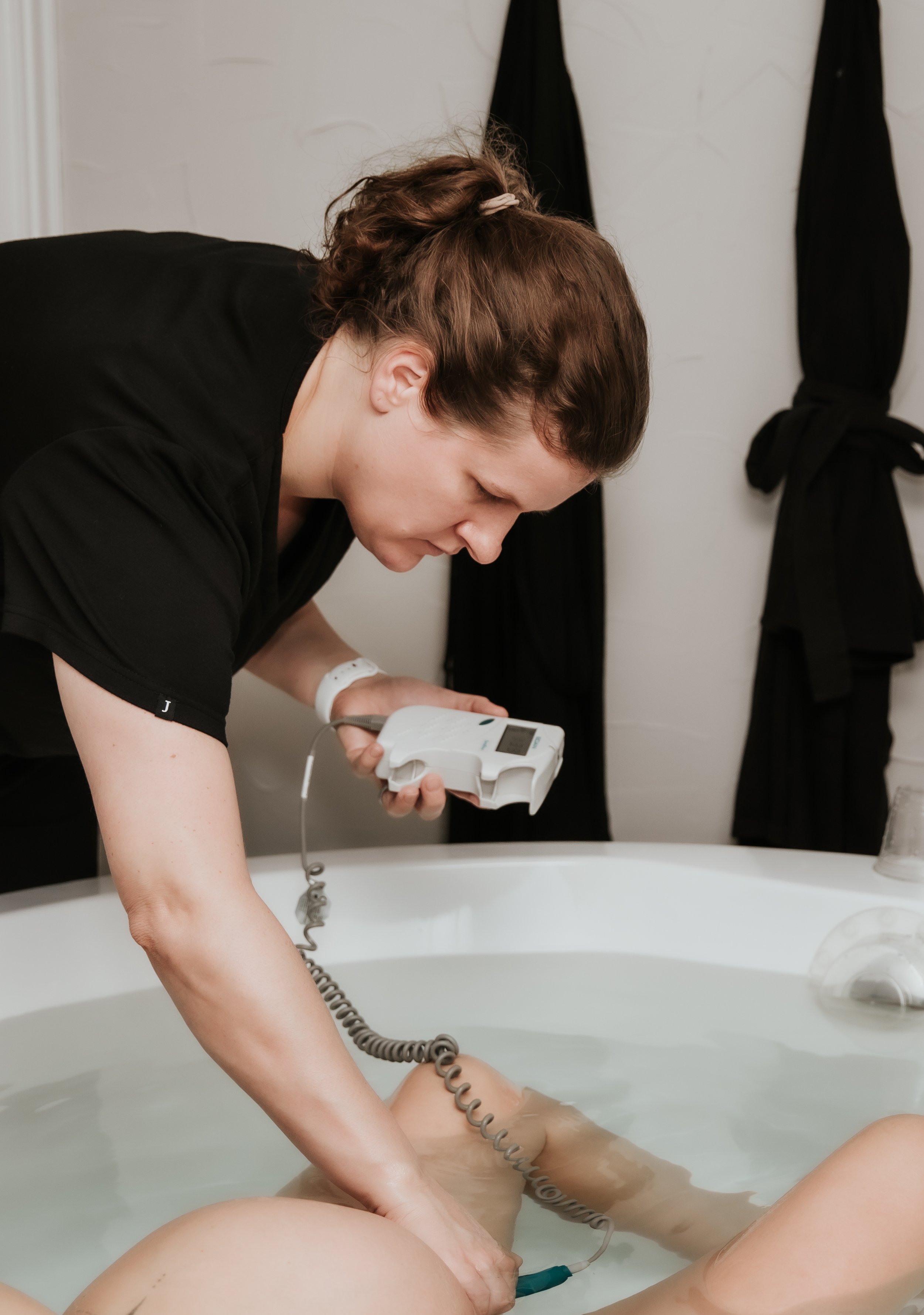
Our office is conveniently located in Katy, making quality midwifery and birth center care easily accessible for families throughout Katy and the surrounding Houston communities.
Katy Birth Center
1002 Avenue A
Katy, TX 77493