

Frequently Asked Questions About Water Birth
Water birth has become an increasingly popular option for families seeking a comfortable, low-intervention birth experience. Many mothers find that warm water provides relaxation, pain relief, and freedom of movement throughout labor and birth.
At Katy Birth Center, we believe families deserve evidence-based information about all of their birth options. Below are answers to some of the most common questions we hear about water birth.
What is a water birth?
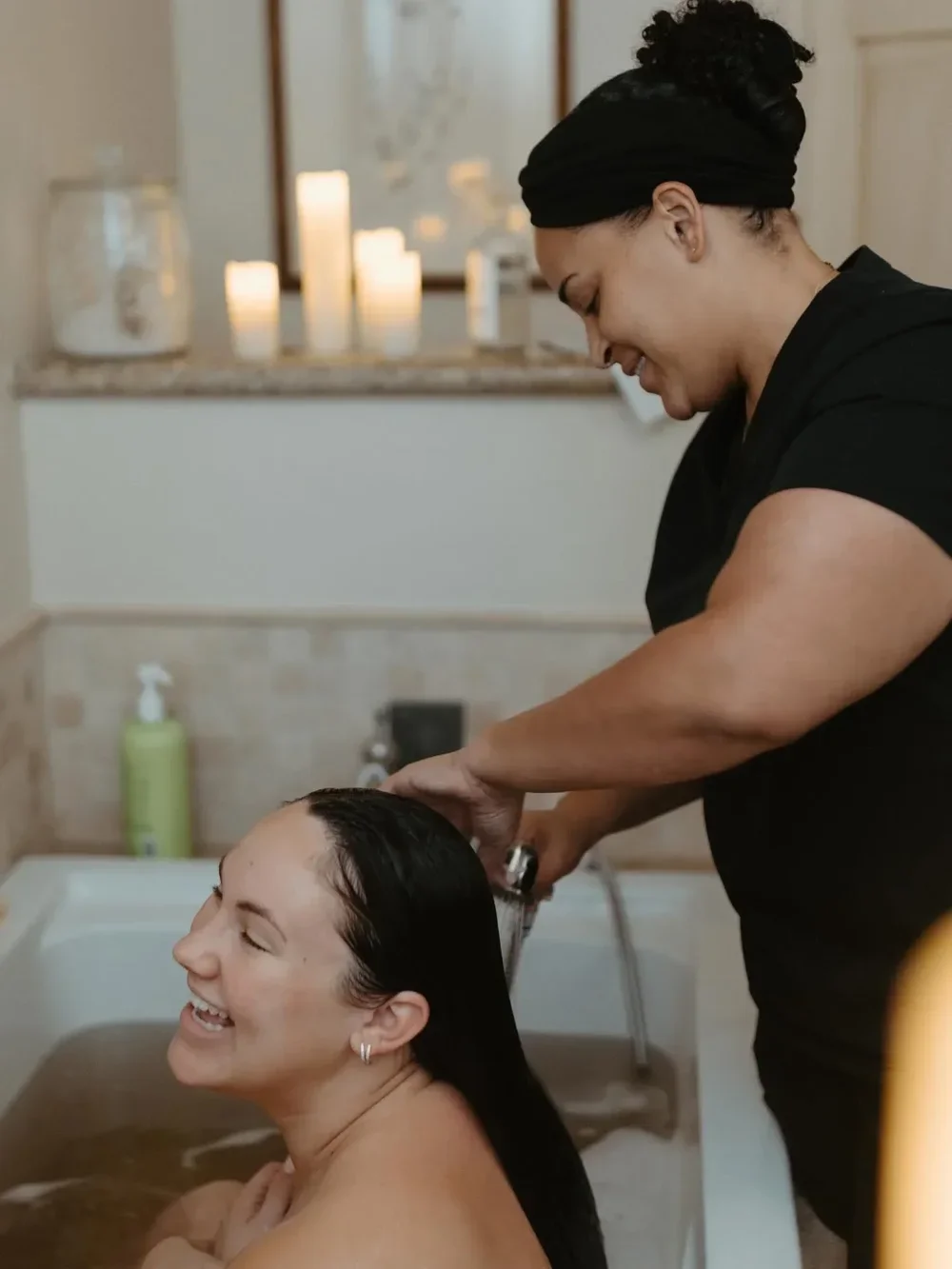
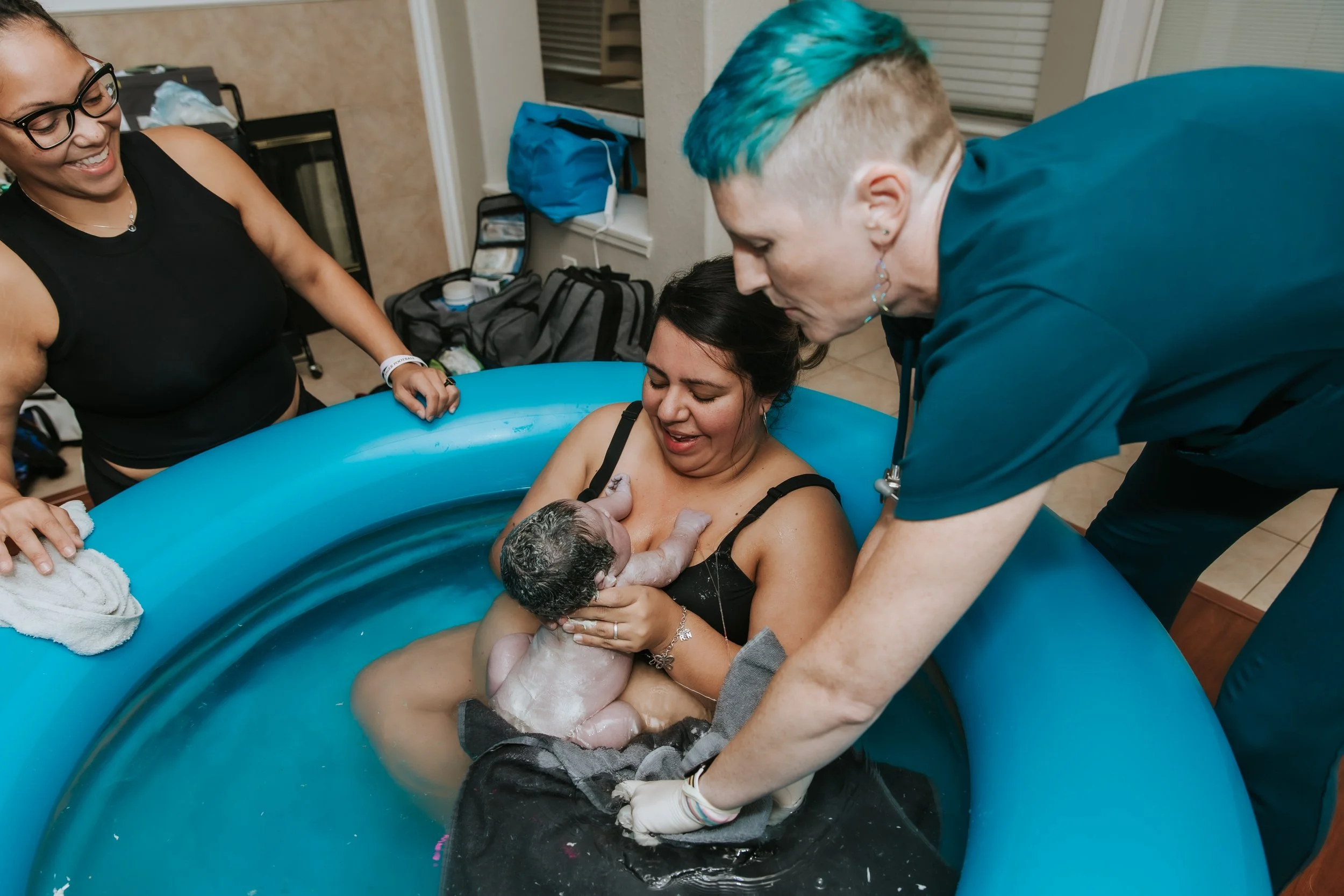
A water birth is a birth that takes place in a specially designed tub filled with warm water. Some mothers choose to labor in water and deliver their baby in the tub, while others use water for comfort during labor and move to another location for birth.
Water can be a valuable tool for relaxation, pain management, and comfort throughout the labor process.
What are the benefits of water birth?
Many mothers report that water helps them feel calmer, more relaxed, and better able to cope with labor.
Potential benefits may include:
Increased relaxation
Greater freedom of movement
Reduced pressure on joints and muscles
Increased comfort during contractions
A calm birth environment
Easier position changes
Reduced perception of pain
Every labor experience is different, and while water can be a wonderful tool, it is just one of many comfort measures available during labor.
Is water birth safe?
For healthy mothers experiencing low-risk pregnancies, water birth can be a safe option when appropriate guidelines, screening, and monitoring are followed.
Throughout pregnancy, your midwife will evaluate your health, baby's health, and overall eligibility to determine whether water birth remains appropriate.
Safety is always our top priority, and we will discuss alternatives if circumstances change during pregnancy or labor.
Who is a good candidate for water birth?
Most healthy mothers with low-risk pregnancies may be candidates for water birth.
Eligibility is based on factors such as:
Maternal health
Pregnancy complications
Baby's position
Gestational age
Labor progress
Overall pregnancy risk status
Your midwife will discuss your individual circumstances and help determine whether water birth is a good option for your birth.
Can first-time moms have a water birth?
Absolutely.
Many first-time mothers successfully labor and give birth in water. Being a first-time mom does not automatically prevent you from choosing a water birth.
Throughout your prenatal care, we'll discuss your goals, answer questions, and help you determine whether water birth is right for your family.
Do I have to decide on a water birth before labor?
No.
Many mothers remain flexible and decide during labor whether they would like to use the birth tub. Some mothers labor in water and give birth outside of the tub, while others choose to remain in the water for delivery.
Your birth preferences can evolve throughout labor, and we'll support you as those decisions unfold.
Can I labor in water without giving birth in water?
Yes.
Many mothers use water as a comfort measure during labor and later choose to leave the tub before birth.
There is no requirement to deliver in the water simply because you labored there.
How warm is the water?
The water is carefully monitored and maintained within a safe temperature range for both mother and baby.
Warm water should feel comfortable and relaxing without becoming excessively hot.
Your midwife will monitor the water temperature throughout labor and birth.
What does laboring in water feel like?
Many mothers describe laboring in water as calming, soothing, and relieving.
The buoyancy of water can reduce pressure on joints and muscles, making it easier to move, change positions, and relax between contractions.
Many families report that entering the tub provides a noticeable sense of comfort and relief during labor.
More Questions, Answered
-
No.
Babies continue receiving oxygen through the umbilical cord immediately after birth and do not begin breathing until they are brought to the surface and exposed to air.
Midwives trained in water birth follow established guidelines to safely support the transition from water to air.
-
After birth, the baby is gently brought to the surface and placed immediately on the mother's chest whenever possible.
Skin-to-skin contact, bonding, and feeding are encouraged while both mother and baby are monitored closely.
-
Policies vary depending on the birth setting and available space.
Many families choose to have partners provide support from outside the tub, while some settings may allow partners to enter the water under specific circumstances.
We are happy to discuss options during your prenatal care.
-
In most healthy, low-risk pregnancies, families are encouraged to stay hydrated and nourished during labor.
You can leave the tub as needed to eat, drink, use the restroom, walk, or change positions throughout labor.
-
Yes.
One of the biggest advantages of water labor is the freedom of movement it provides.
Many mothers find it easier to:
Squat
Kneel
Lean forward
Change positions
Float between contractions
The buoyancy of water often makes movement more comfortable than on land.
-
That's completely fine.
Many mothers move in and out of the tub throughout labor based on comfort, labor progress, and personal preference.
There is no right or wrong way to use the water.
-
You can change your mind at any time.
Whether you planned a water birth and decide not to use the tub or didn't plan one and later decide to try it, your birth experience can remain flexible.
Our goal is to support informed decisions that feel right for you in the moment.
-
In many cases, yes.
Many home birth families choose to labor or give birth in water using a specially designed birth tub.
If you're planning a home birth, we'll discuss tub options, setup, supplies, and eligibility during your prenatal care.
-
Yes.
Many families choose water birth at the birth center, where birth tubs are already available and designed specifically for labor and birth.
We'll discuss your goals and help you prepare for the experience throughout pregnancy.
-
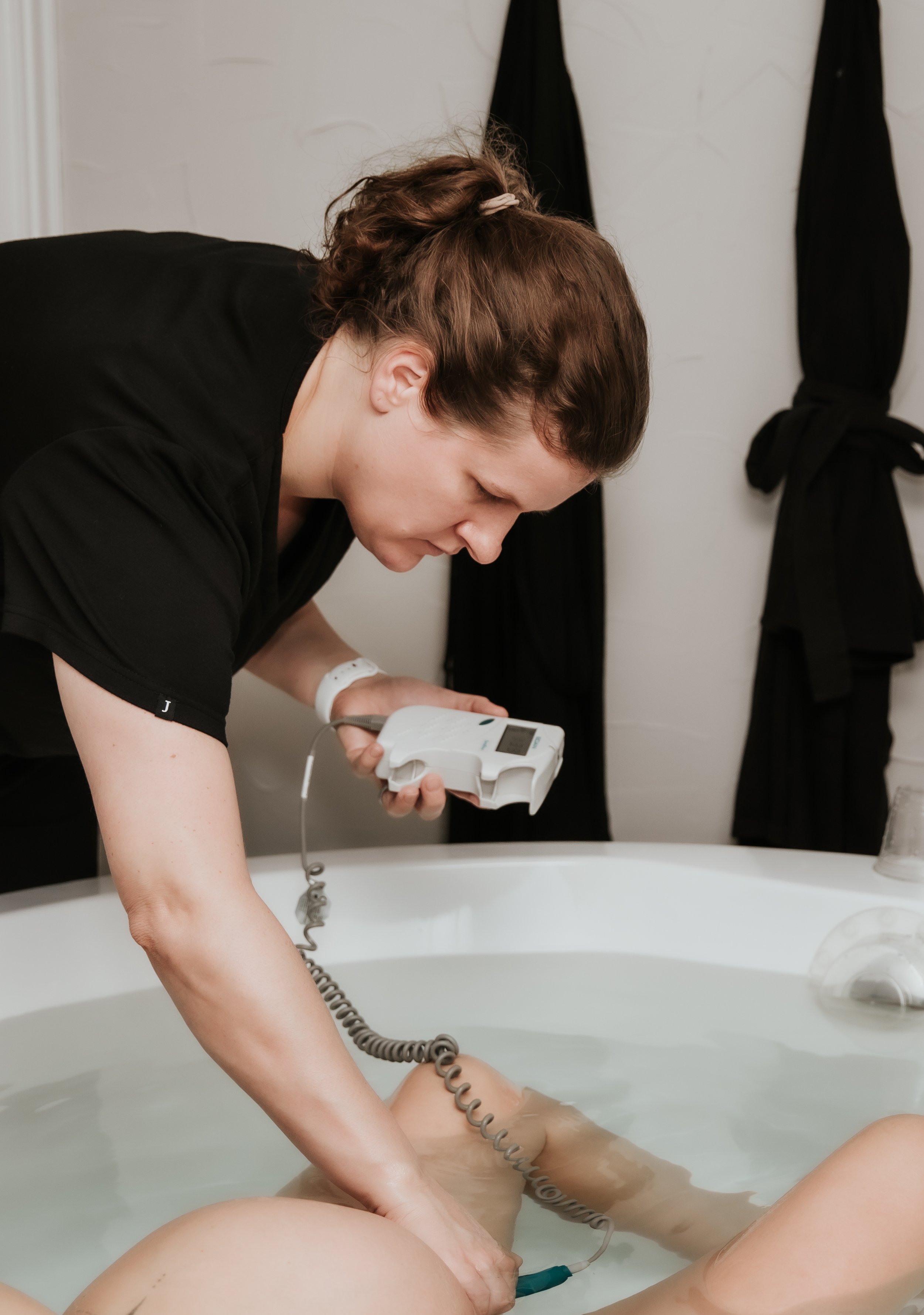
Your midwife continuously monitors both mother and baby throughout labor.
If circumstances arise that make water birth less appropriate, we'll discuss your options and help you transition to another labor or birth setting if necessary.
Safety always comes first.
-
Every labor experience is unique, and pain perception varies from person to person.
Many mothers report that water helps reduce discomfort and provides significant relief during labor, but water birth does not eliminate labor sensations entirely.
Instead, many women describe feeling more relaxed, more in control, and better able to cope with contractions while in the water.
-
No birth method can guarantee that tearing won't occur.
However, some studies suggest that warm water may help promote relaxation and tissue flexibility. Many factors influence whether tearing occurs, including baby's size, position, maternal tissue characteristics, and the pace of birth.
-
The best way to determine whether water birth is a good fit for your family is to discuss it with your midwife during pregnancy.
We'll review your health history, pregnancy, birth goals, and preferences while answering any questions you may have about laboring or giving birth in water.
Not what you were looking for? Click here to head back to the main FAQ page.
Related Resources
Still Have Questions?
We would love to meet you, answer your questions, and help you explore your options for pregnancy and birth care.
Schedule a consultation to learn more about midwifery care at Katy Birth Center.


Our office is conveniently located in Katy, making quality midwifery and birth center care easily accessible for families throughout Katy and the surrounding Houston communities.
Katy Birth Center
1002 Avenue A
Katy, TX 77493