

Frequently Asked Questions About Midwifery Care
Choosing your pregnancy care provider is one of the most important decisions you'll make during pregnancy. Whether you're considering a birth center birth, home birth, or simply exploring your options, understanding how midwifery care works can help you make an informed decision.
Below are answers to some of the most common questions families ask about midwives and midwifery care.
What is a midwife?
A midwife is a healthcare professional who specializes in caring for women throughout pregnancy, labor, birth, and the postpartum period. Midwives focus on personalized, evidence-based care and view pregnancy and birth as normal physiological processes. In addition to monitoring the health of mother and baby, midwives provide education, emotional support, and guidance throughout the childbearing journey.
What is the difference between a midwife and an OB-GYN?
Midwives and OB-GYNs both provide maternity care, but their training and approach differ. Midwives specialize in healthy, low-risk pregnancies and often spend more time with families during appointments. OB-GYNs are physicians trained to manage both routine and high-risk pregnancies, perform surgery, and provide specialized medical interventions when necessary.
Both providers play important roles in maternity care, and the right choice depends on your health history, pregnancy, and goals.
What certifications do your midwives hold?
Our midwives hold professional credentials and licensure that allow them to provide comprehensive maternity care. During your consultation, we're happy to discuss our qualifications, training, experience, and approach to care.
Why do families choose midwifery care?
Many families choose midwifery care because they value longer appointments, individualized support, informed decision-making, and a relationship-centered approach to pregnancy and birth.
Families often appreciate having a provider who takes time to answer questions, provide education, and support them throughout the entire journey.
How long are prenatal appointments?
Prenatal appointments are generally longer than those found in many traditional medical practices. We believe education and relationship-building are important parts of maternity care, which means you'll have time to ask questions, discuss concerns, and prepare for birth.
Will I see the same midwife throughout pregnancy?
One of the benefits of midwifery care is continuity. Throughout your pregnancy, you'll have opportunities to build relationships with the midwives who may care for you during labor and birth.
This allows you to become familiar with your care team and helps us better understand your goals and preferences.
What happens during prenatal visits?
Prenatal visits include monitoring your health, assessing your baby's growth and development, reviewing lab results, discussing nutrition and wellness, answering questions, and preparing for labor and birth.
As your pregnancy progresses, appointments also focus on birth planning, postpartum preparation, and newborn care education.
How often are prenatal appointments?
Most families are seen approximately every four weeks early in pregnancy, every two weeks during the second half of pregnancy, and weekly as birth approaches. Your schedule may vary depending on your individual circumstances and needs.
Do midwives order ultrasounds?
Yes. Midwives can order ultrasounds when medically appropriate and discuss results with you as part of your prenatal care.
More Questions, Answered
-
Yes. Prenatal laboratory testing is an important part of maternity care. Your midwife will discuss recommended testing, review results, and answer any questions you may have.
-
We believe informed consent is an important part of maternity care. Your midwife will explain the benefits, risks, and purpose of recommended testing so you can make informed decisions regarding your care.
-
Depending on your pregnancy and eligibility, you may have the option of choosing either a home birth or a birth center birth. During your prenatal care, we'll discuss both options and help determine which setting may best support your goals and circumstances.
-
Absolutely. Many first-time mothers choose midwifery care and appreciate the additional education, support, and guidance they receive throughout pregnancy and birth.
-
Many women are candidates for a VBAC (Vaginal Birth After Cesarean) under midwifery care. Eligibility depends on your medical history, previous birth experiences, and current pregnancy.
-
If complications arise that require specialized medical care, we will discuss your options and help coordinate appropriate referrals or collaborative care when necessary. Our priority is always the safety and well-being of both mother and baby.
-
Midwives may recommend or facilitate treatments and medications appropriate to their scope of practice and your individual circumstances. Specific recommendations will depend on your needs and pregnancy.
-
When labor begins, your midwife remains available to provide guidance, answer questions, and help determine when additional support is needed. Whether you are planning a home birth or birth center birth, we work closely with families throughout labor and delivery.
-
Yes. Labor support is one of the hallmarks of midwifery care. Midwives provide encouragement, assessment, education, and hands-on support throughout labor while monitoring both mother and baby.
-
Many families use movement, water, breathing techniques, massage, position changes, birth balls, hydrotherapy, and continuous support to cope with labor. Your midwife will discuss comfort measures and help you prepare for labor throughout pregnancy.
-
Following birth, your baby is placed skin-to-skin whenever possible, and your midwife monitors both mother and baby while supporting feeding, bonding, and recovery.
-
Yes. Care continues after birth through postpartum visits, recovery assessments, breastfeeding support, newborn evaluations, and ongoing guidance during the transition into parenthood.
-
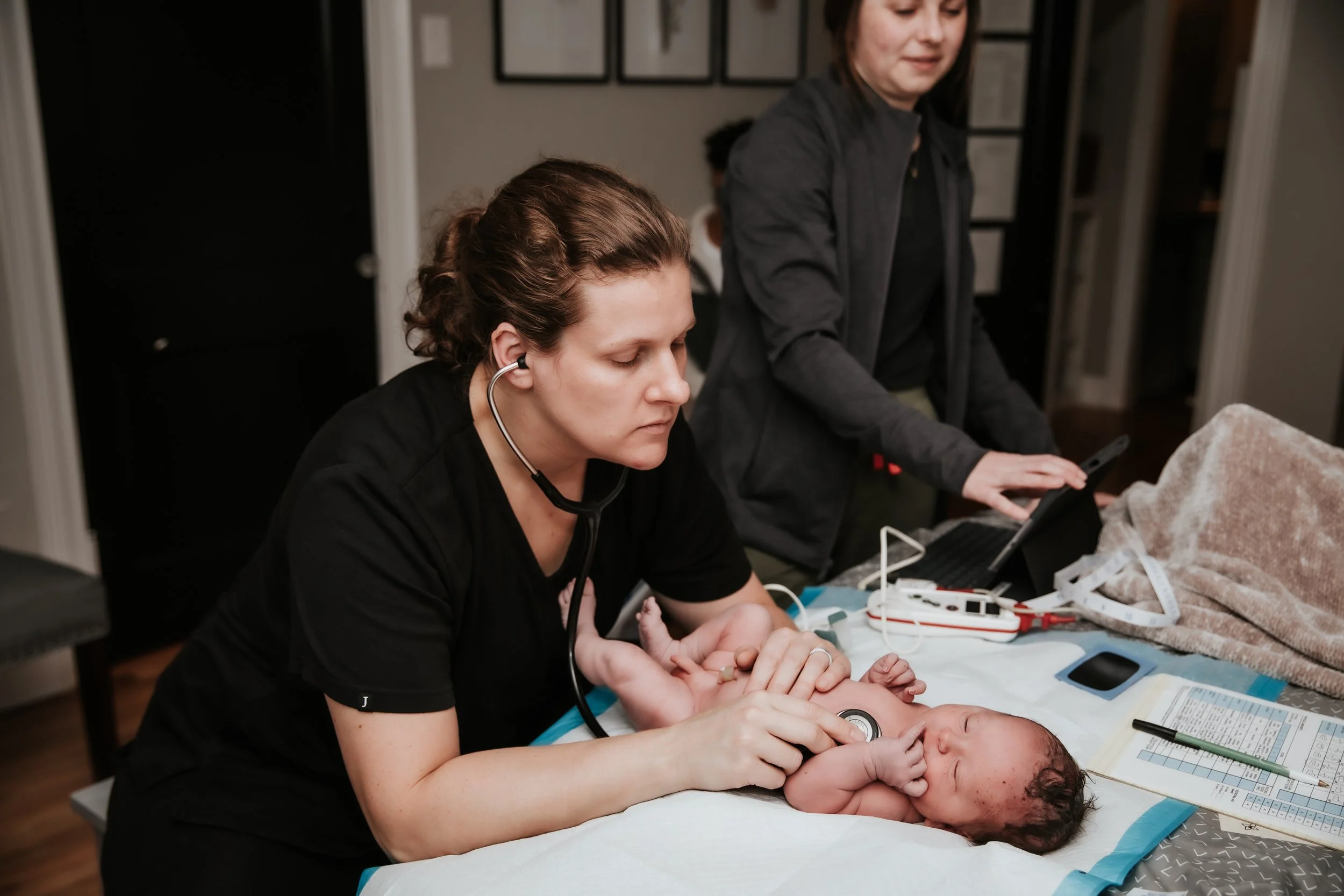
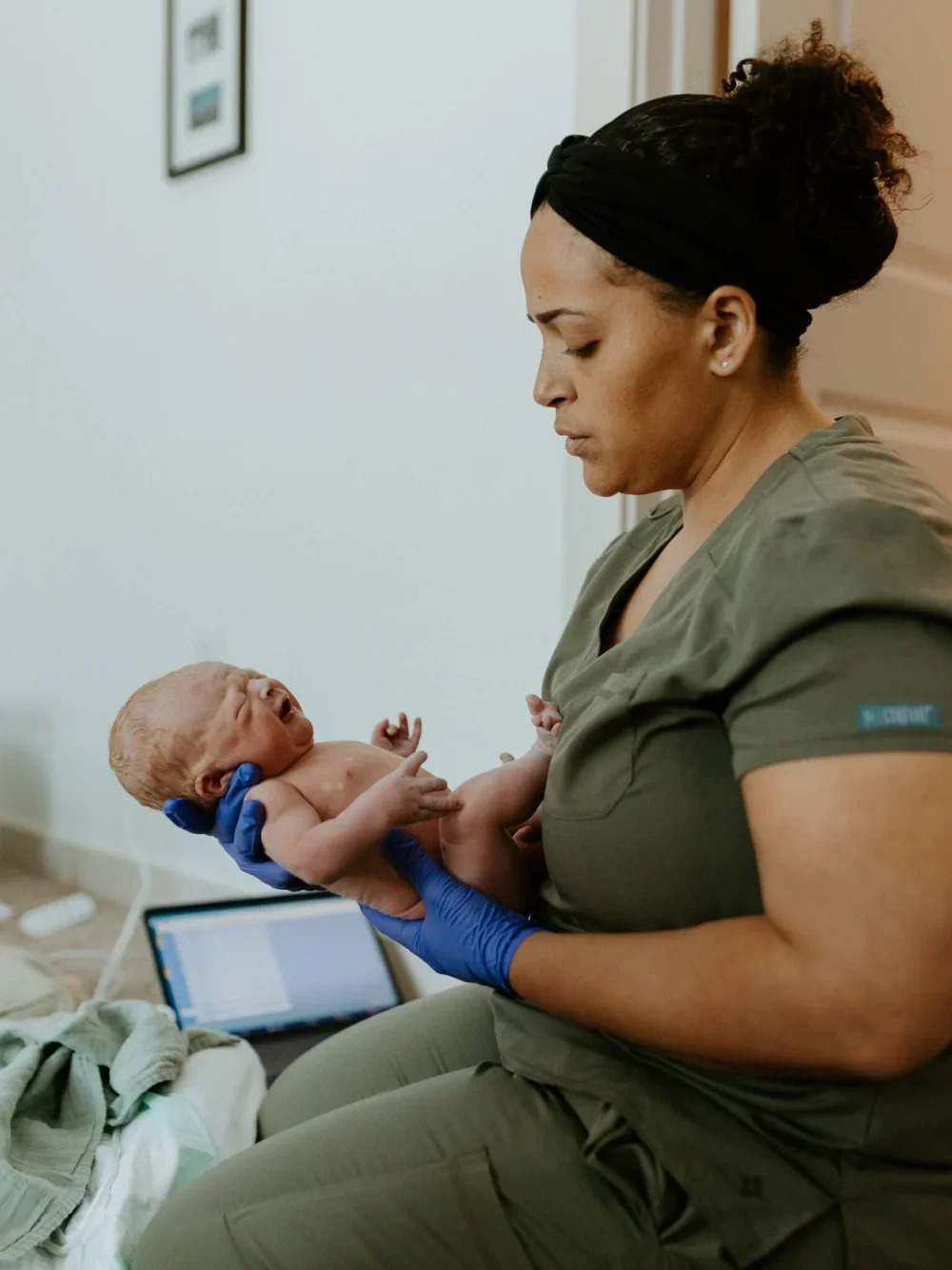
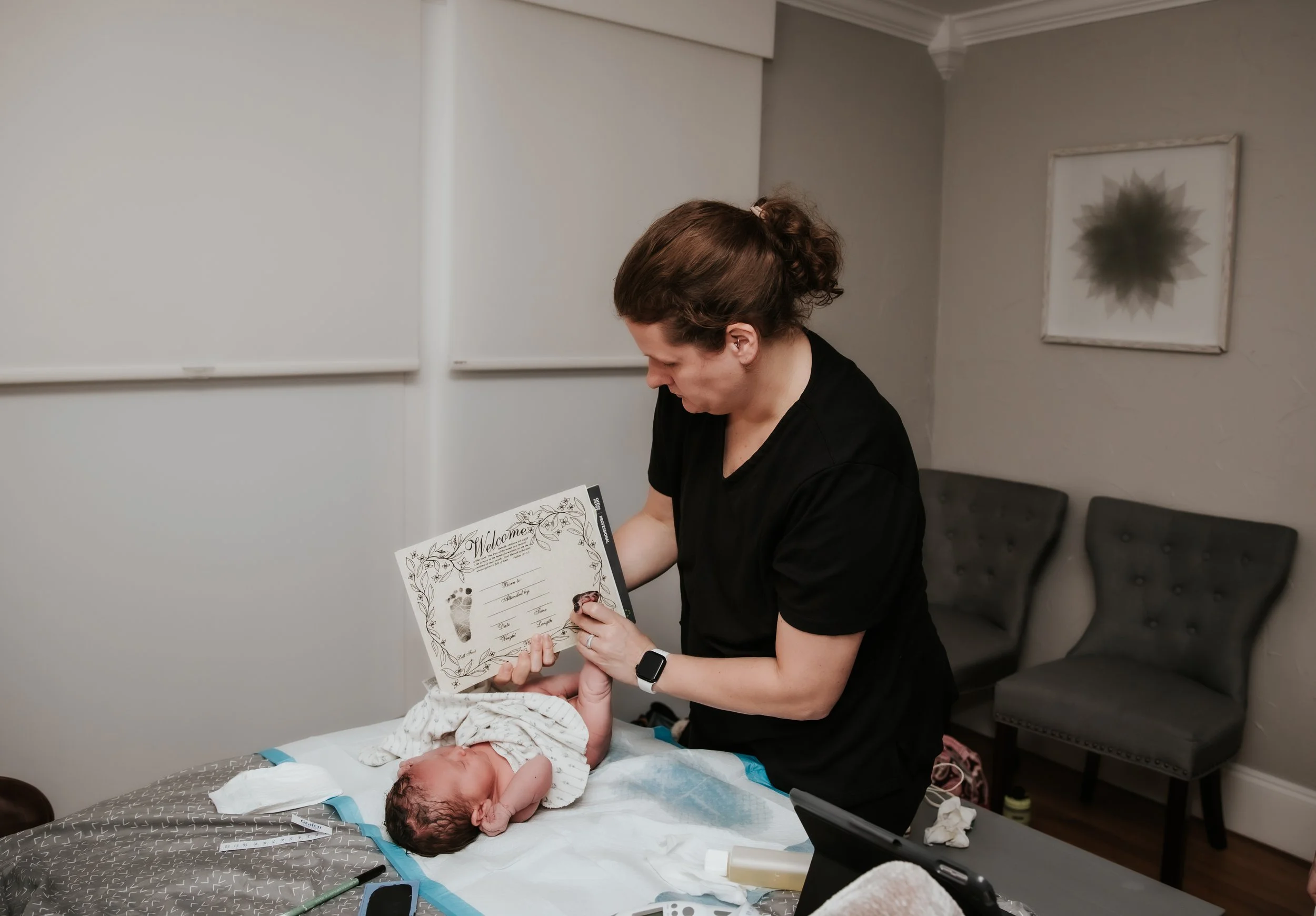
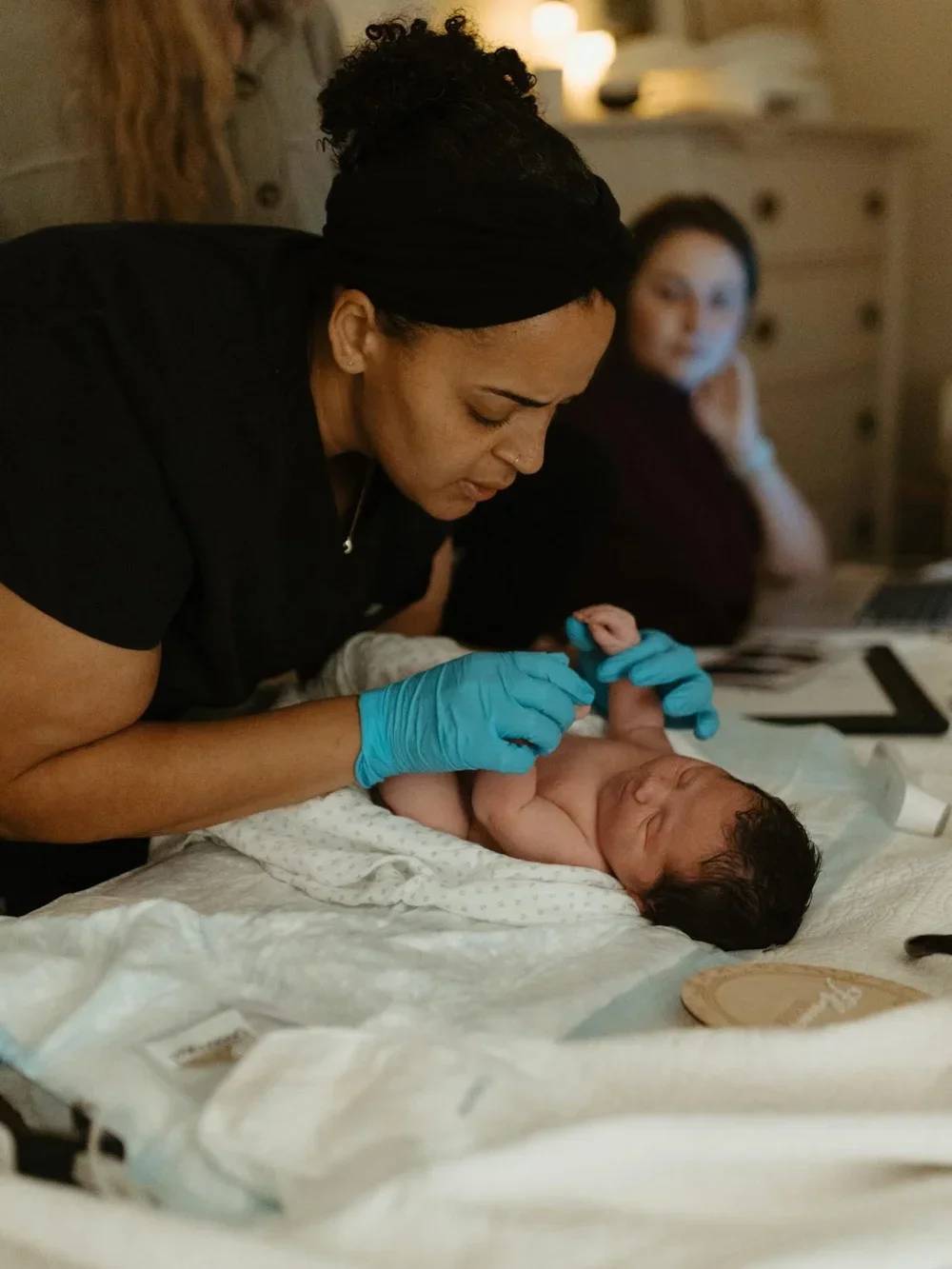
Midwives assess newborns after birth and during postpartum visits. We monitor feeding, weight gain, adjustment to life outside the womb, and overall well-being while helping parents feel confident caring for their baby.
-
Postpartum care continues beyond the day of birth and includes scheduled follow-up visits designed to support physical recovery, emotional well-being, and newborn adjustment.
-
Many insurance plans provide coverage for midwifery services. Coverage varies by plan, and our team can help you better understand your benefits and available options.
-
The cost of care varies depending on your insurance, birth setting, and individual circumstances. Our team is happy to discuss pricing, payment options, and financing opportunities during your consultation.
-
Families who choose midwifery care often value personalized attention, longer appointments, relationship-based care, informed decision-making, and a low-intervention approach to pregnancy and birth.
The best way to determine whether midwifery care is right for you is to schedule a consultation, meet our team, and learn more about your options.
Not what you were looking for? Click here to head back to the main FAQ page.
Related Resources
Still Have Questions?
We would love to meet you, answer your questions, and help you explore your options for pregnancy and birth care.
Schedule a consultation to learn more about midwifery care at Katy Birth Center.







Our office is conveniently located in Katy, making quality midwifery and birth center care easily accessible for families throughout Katy and the surrounding Houston communities.
Katy Birth Center
1002 Avenue A
Katy, TX 77493