

Frequently Asked Questions About Postpartum & Newborn Care
Birth is not the finish line. In many ways, it's the beginning of an entirely new journey.
The postpartum period is a time of physical recovery, emotional adjustment, newborn bonding, and learning how to care for your growing family. At Katy Birth Center, we believe postpartum care deserves just as much attention as pregnancy and birth.
Below are answers to some of the most common questions families ask about postpartum recovery and newborn care.
What is the postpartum period?
The postpartum period begins immediately after birth and continues for several weeks and months as your body recovers and adjusts to life with a new baby.
This period involves physical healing, hormonal changes, feeding adjustments, emotional transitions, and learning your baby's needs and rhythms.
While many people focus heavily on pregnancy and birth, postpartum recovery is an important part of your overall maternity care experience.
How long does postpartum recovery take?
Every mother's recovery is unique.
Some women feel physically well within a few weeks, while others need more time to heal and regain energy. Recovery can be influenced by labor length, birth experience, sleep, nutrition, support systems, and individual health factors.
Rather than comparing yourself to others, we encourage mothers to focus on healing, rest, and gradual recovery.
How soon will I see my midwife after birth?
Postpartum care begins immediately after birth and continues through scheduled follow-up visits.
Your midwife will monitor your recovery, assess your baby's well-being, answer questions, and provide support as your family adjusts to life with a newborn.
One of the benefits of midwifery care is that support continues long after labor ends.
What happens during postpartum visits?
Postpartum visits focus on both mother and baby.
We may discuss:
Physical recovery
Feeding concerns
Emotional well-being
Newborn growth
Sleep patterns
Healing
Family adjustment
Questions about caring for your baby
Our goal is to support the whole family during this transition.
How much bleeding is normal after birth?
Postpartum bleeding, called lochia, is normal after birth.
Most mothers experience bleeding that gradually decreases over the weeks following delivery. The amount, color, and duration can vary from person to person.
Your midwife will discuss what is considered normal and what symptoms should prompt a call to your provider.
When should I call my midwife after birth?
We encourage families to reach out whenever concerns arise.
You should contact your provider if you experience:
Heavy bleeding
Fever
Severe pain
Signs of infection
Breastfeeding concerns
Emotional concerns
Changes in your baby's feeding or behavior
You are never bothering us by asking questions.
How much rest should I get after birth?
As much as possible.
The postpartum period is a time for healing and recovery. While newborn care often makes uninterrupted sleep difficult, we encourage families to prioritize rest whenever opportunities arise.
Accepting help, limiting unnecessary obligations, and focusing on recovery can make a significant difference in the early weeks after birth.
What should I eat during postpartum recovery?
Nourishing foods, hydration, and adequate protein can support recovery and overall wellness.
Many mothers find it helpful to prepare meals in advance, accept meals from family and friends, or create simple meal plans before birth.
Your body has done incredible work, and proper nutrition plays an important role in healing.
More Questions, Answered
-
Absolutely.
Hormonal changes, sleep deprivation, physical recovery, and adjusting to life with a newborn can create a wide range of emotions.
Many mothers experience periods of tearfulness, overwhelm, or emotional sensitivity during the first weeks after birth.
These feelings are common, but we encourage open conversations about emotional health throughout the postpartum period.
-
While temporary emotional changes are common after birth, persistent feelings of sadness, anxiety, hopelessness, anger, or difficulty functioning may indicate a postpartum mood disorder.
Postpartum depression and anxiety are common and treatable.
If something doesn't feel right, we encourage you to reach out. Support is available, and you do not have to navigate those feelings alone.
-
Recovery timelines vary depending on your birth experience and overall health.
Gentle movement is often encouraged early in recovery, but returning to more strenuous exercise should happen gradually and with guidance from your provider.
We'll discuss recovery milestones and activity recommendations during postpartum visits.
-
This depends on your comfort level, recovery, and ability to safely operate a vehicle.
Many mothers choose to wait until they feel physically comfortable and confident moving, braking, and responding normally while driving.
-
Newborns typically feed frequently, often every two to three hours, though every baby is unique.
Some babies feed more often during growth spurts or cluster feeding periods.
Your midwife will help you understand feeding patterns and determine whether your baby is feeding effectively.
-
Signs that feeding is going well may include:
Frequent feeding
Appropriate diaper output
Weight gain
Contentment between feedings
Healthy newborn behavior
If feeding concerns arise, we're here to help evaluate what's happening and provide support.
-
Some tenderness can occur during the early days of breastfeeding, but significant pain is not considered normal.
Pain often indicates that adjustments to positioning, latch, or feeding technique may be helpful.
We provide breastfeeding support and encourage families to reach out if discomfort persists.
-
Many families encounter challenges during the early days of feeding.
Whether you're struggling with latch, milk supply concerns, pumping questions, or simply feeling overwhelmed, we're here to help.
Feeding support is an important part of postpartum care.
-
Most newborns lose some weight during the first days after birth.
Your baby's weight, feeding patterns, diaper output, and overall health help determine whether weight loss remains within a normal range.
We'll continue monitoring your baby's growth throughout the postpartum period.
-
Diaper output is one of the ways we assess feeding effectiveness and newborn health.
Your midwife will discuss expected diaper patterns and help you understand what is normal during the first days and weeks after birth.
-
Crying is a normal form of newborn communication.
Babies cry for many reasons, including hunger, discomfort, overstimulation, fatigue, and the need for comfort or connection.
If you're concerned about excessive crying or your baby's behavior, we encourage you to reach out so we can help evaluate what's going on.
-
Absolutely.
Caring for a newborn is a major life transition. Even experienced parents can feel overwhelmed at times.
Asking for help is not a sign of weakness. It's often one of the healthiest things a new parent can do.
-
This is one of the most common questions new parents ask.
The truth is that every baby develops differently. Newborns typically wake frequently for feeding and comfort, and sleep patterns evolve gradually over time.
Patience, realistic expectations, and support can make this season easier to navigate.
-
Our care doesn't end when your baby arrives.
We continue supporting families through:
Postpartum visits
Recovery assessments
Breastfeeding support
Newborn evaluations
Education
Ongoing communication
Many families tell us this continued support is one of the most valuable parts of midwifery care.
-
Parents often worry about whether they're doing things correctly.
During postpartum care, we monitor your baby's growth, feeding, adjustment, and overall well-being while answering questions and addressing concerns.
You don't have to figure everything out on your own.
Not what you were looking for? Click here to head back to the main FAQ page.
Related Resources
Still Have Questions?
We would love to meet you, answer your questions, and help you explore your options for pregnancy and birth care.
Schedule a consultation to learn more about midwifery care at Katy Birth Center.

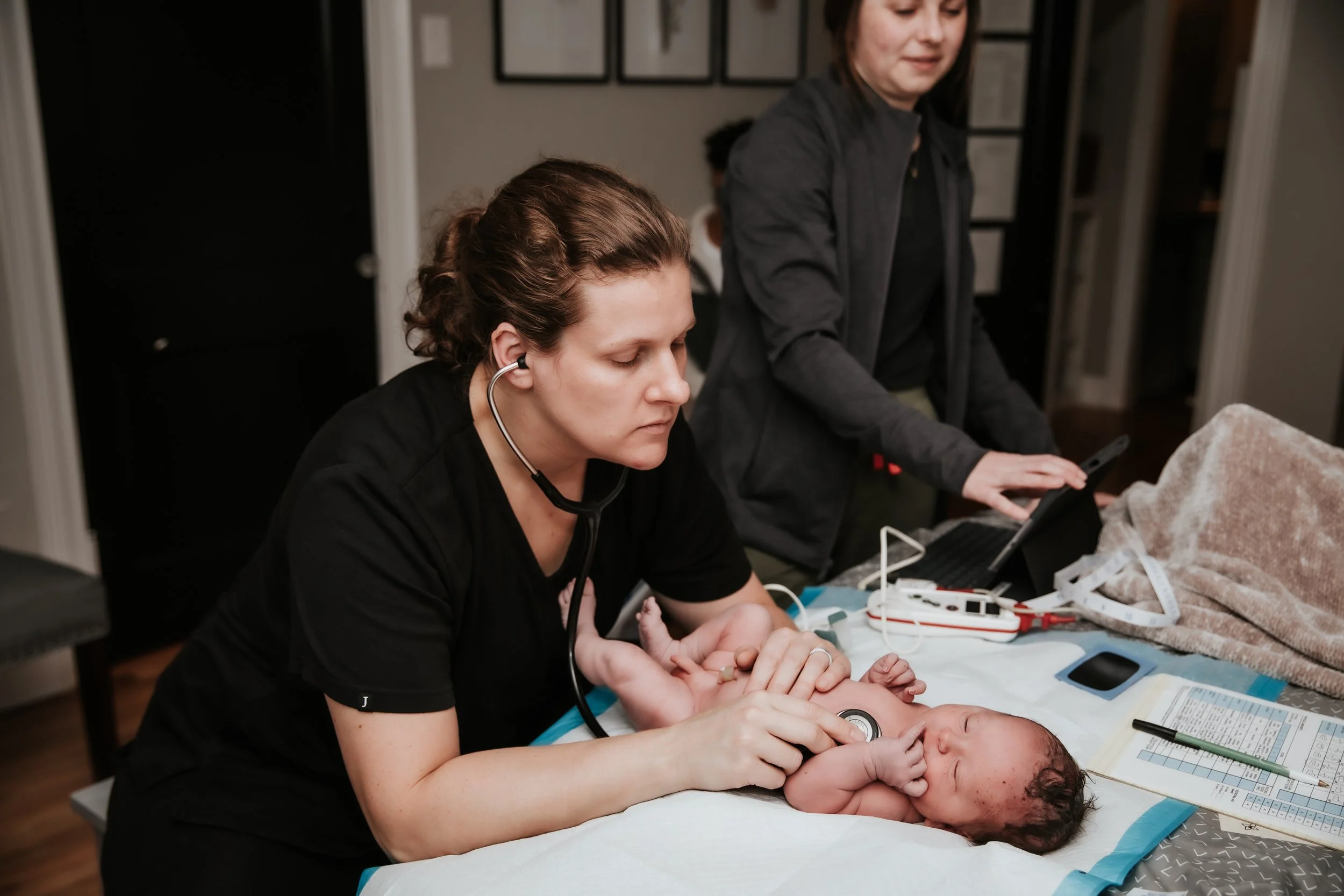
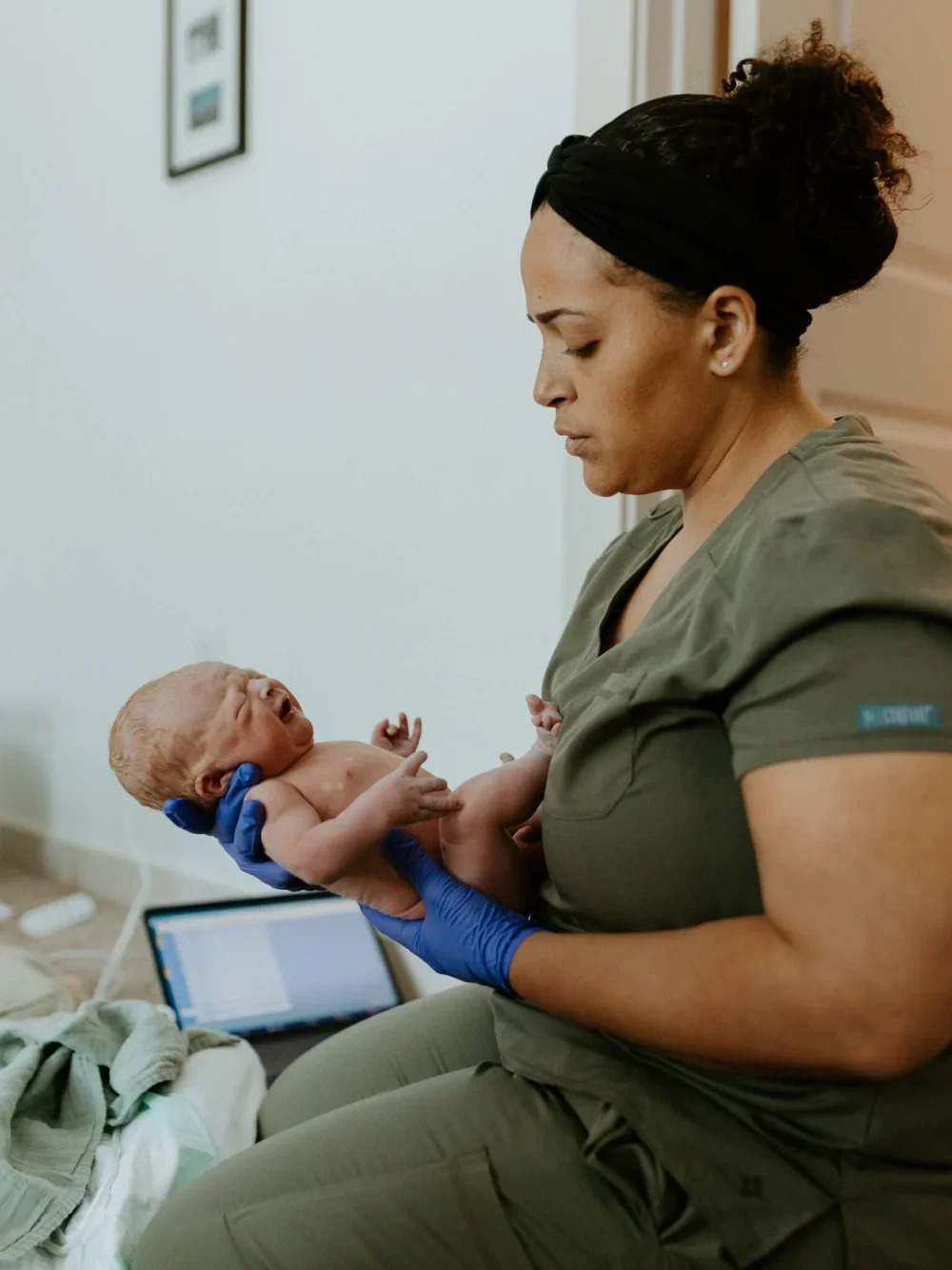
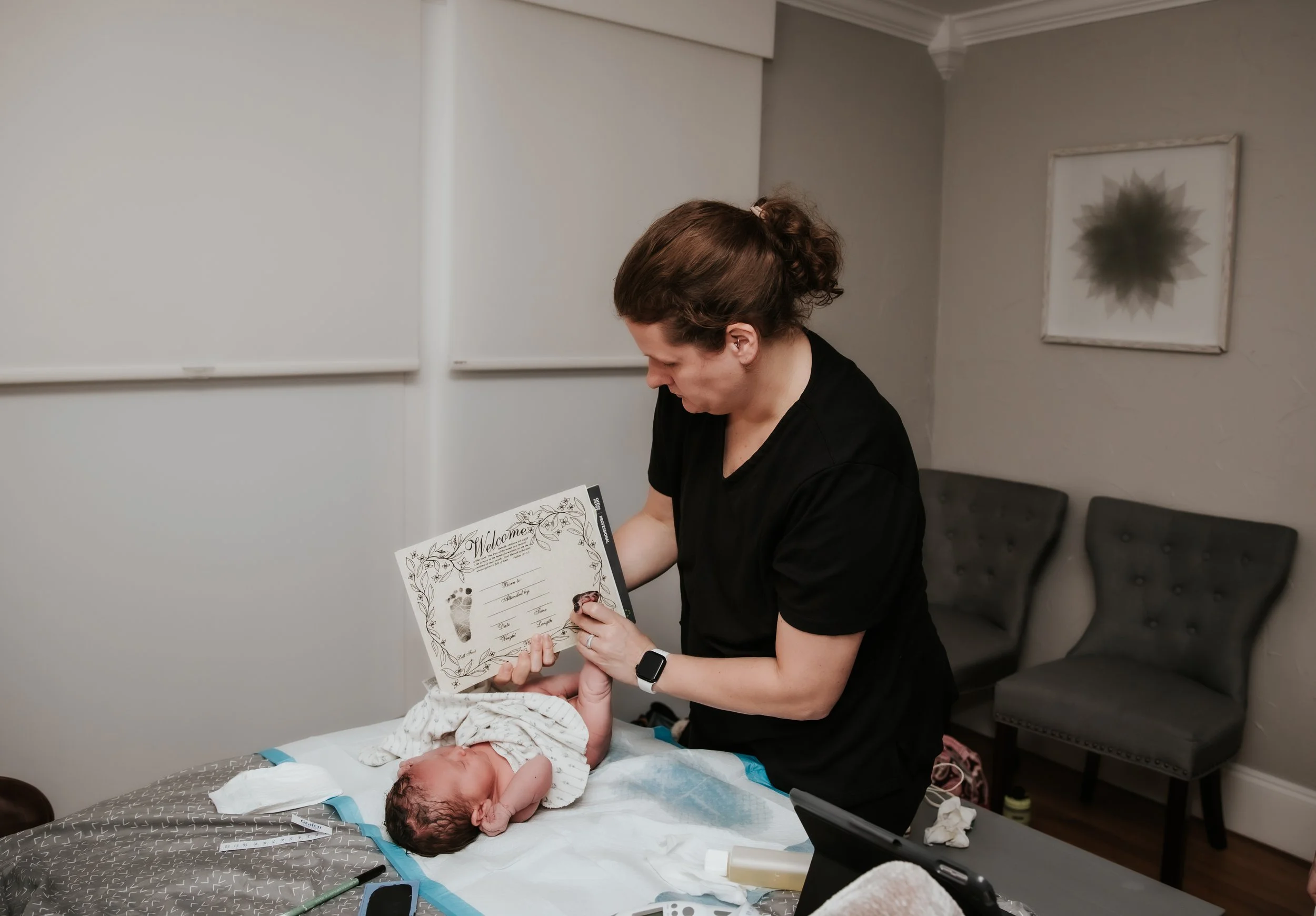

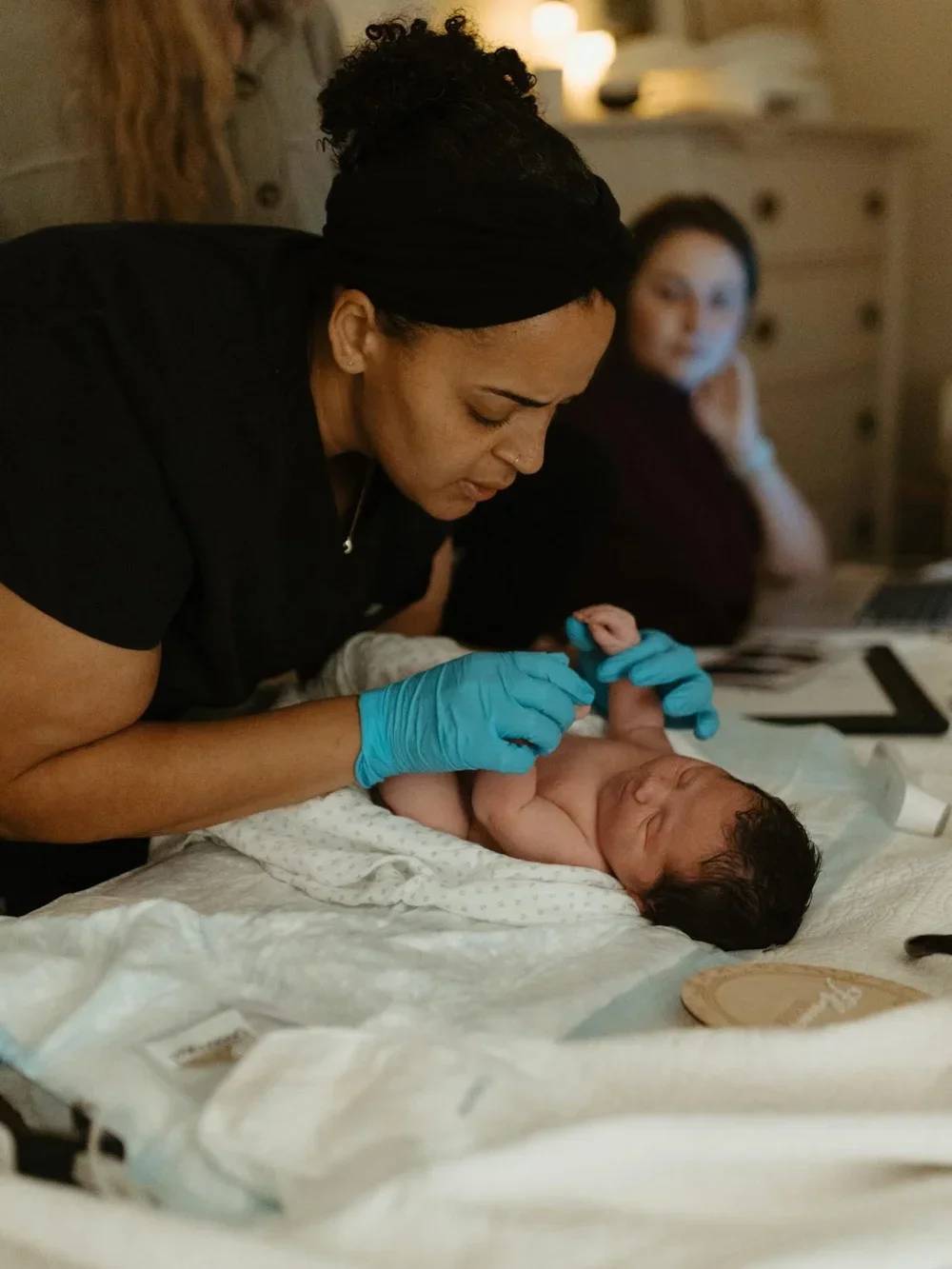


Our office is conveniently located in Katy, making quality midwifery and birth center care easily accessible for families throughout Katy and the surrounding Houston communities.
Katy Birth Center
1002 Avenue A
Katy, TX 77493