

Frequently Asked Questions About Labor & Birth
Labor and birth can bring excitement, anticipation, and plenty of questions. Whether you're preparing for your first baby or adding another little one to your family, understanding the birth process can help you feel more confident and prepared.
At Katy Birth Center, we believe education is one of the best tools for reducing fear and helping families approach birth with confidence. Below are answers to some of the most common questions we hear about labor, delivery, and natural birth.
How will I know when labor starts?
Labor often begins gradually. Many mothers experience contractions that become longer, stronger, and closer together over time. Some women notice cramping, lower back discomfort, increased pelvic pressure, or changes in vaginal discharge before labor becomes active.
Every labor unfolds differently, and there is no single sign that applies to everyone. Your midwife will discuss labor signs throughout pregnancy and help you determine when labor is likely beginning.
When should I call my midwife?
We encourage families to call whenever they have questions or concerns.
When labor begins, your midwife will help assess your symptoms, discuss contraction patterns, and guide you through the next steps. You'll also receive guidance about situations that warrant immediate communication, such as decreased fetal movement, vaginal bleeding, or ruptured membranes.
You are never bothering us by calling.
What does early labor feel like?
Early labor often feels similar to menstrual cramps, lower back discomfort, or tightening sensations that gradually become more rhythmic and noticeable.
During early labor, many mothers are still able to walk, talk, eat, rest, and continue normal activities. We often encourage families to stay comfortable at home, hydrate, rest, and conserve energy for active labor.
How long does labor last?
Every labor is unique.
Some births unfold quickly, while others take longer. First-time mothers often experience longer labors than mothers who have given birth before, but there is tremendous variation from one person to another.
Rather than focusing on the clock, we focus on how labor is progressing and how both mother and baby are doing throughout the process.
What if my labor takes a long time?
Long labors can be physically and emotionally challenging, but they are not necessarily a sign that something is wrong.
Your midwife will continually assess labor progress, maternal well-being, and baby's status while helping you conserve energy and navigate the natural ups and downs that can occur during birth.
If additional support or evaluation becomes beneficial, we'll discuss your options and make decisions together.
Can I eat and drink during labor?
In most healthy, low-risk pregnancies, families are encouraged to stay hydrated and nourished during labor.
Labor requires significant energy, and eating light foods and drinking fluids can help support endurance throughout the process.
We'll discuss recommendations and help you determine what works best for your situation.
Can I move around during labor?
Absolutely.
One of the benefits of midwifery care is the freedom to move in ways that feel comfortable and productive during labor. Many mothers find relief through walking, swaying, rocking, changing positions, using a birth ball, laboring in water, or simply following their body's instincts.
Movement can also help encourage optimal fetal positioning and labor progress.
What labor positions can I use?
There is no single "best" position for labor or birth.
Many mothers use a variety of positions throughout labor, including:
Walking
Standing
Squatting
Hands and knees
Side-lying
Sitting on a birth ball
Leaning forward
Laboring in water
Your midwife will help you explore positions that feel comfortable and support labor progress.
What comfort measures can I use during labor?
Many families use natural comfort measures to cope with labor, including:
Water immersion
Massage
Counter pressure
Breathing techniques
Position changes
Movement
Birth balls
Heat and cold therapy
Encouragement from support people
We'll discuss these tools throughout pregnancy so you feel prepared before labor begins.
More Questions, Answered
-
Many families choose to labor or give birth in water.
Warm water can provide relaxation, comfort, buoyancy, and freedom of movement during labor. Water birth may be available in both birth center and home birth settings depending on your individual circumstances.
We'll discuss eligibility and answer questions during your prenatal care.
-
No.
Many mothers enter labor unsure whether they want to use water and make that decision in the moment. Some labor in water but choose to give birth outside the tub, while others decide to remain in the water for delivery.
Your birth experience can remain flexible.
-
If your water breaks, your midwife will discuss your symptoms, baby's movement, fluid characteristics, and next steps.
Sometimes labor begins soon after membranes rupture, while other times additional monitoring or evaluation may be needed.
We'll guide you through the process and help determine the most appropriate plan for your situation.
-
Labor is rarely a perfectly straight line.
Contractions sometimes slow, pause, or change in intensity. Your midwife will help evaluate what's happening and discuss ways to encourage labor progression if needed.
Patience and flexibility are often important parts of the labor process.
-
Labor is hard work.
Throughout labor, we encourage hydration, nourishment, rest when possible, and energy conservation. If exhaustion becomes significant, we'll discuss strategies and options to help support you and your baby.
The goal is always to help you labor safely while preserving your strength.
-
Absolutely.
Many families choose to have their partner, spouse, family members, friends, doula, or other support people present during labor and birth.
Support can make a tremendous difference during labor, and we encourage families to surround themselves with people who help them feel safe, loved, and encouraged.
-
Partners often play an important role in providing emotional support, encouragement, comfort measures, hydration reminders, and reassurance throughout labor.
We help partners feel involved and confident while supporting both of you through the birth experience.
-
That's okay.
Birth plans are best viewed as preferences rather than rigid expectations. Labor is unpredictable, and flexibility can be one of the most valuable tools during the birth process.
We'll continue discussing your goals throughout labor and support informed decision-making as circumstances evolve.
-
Pushing typically begins when your body and baby are ready.
Rather than directing every push, we encourage mothers to listen to their bodies and work with their natural urges whenever possible. Your midwife will provide guidance and support while monitoring both mother and baby throughout this stage of labor.
-
The length of the pushing phase varies significantly from one birth to another.
Some mothers push for only a few minutes, while others push for longer periods. First-time mothers often push longer than mothers who have given birth before.
The most important factor is how both mother and baby are tolerating the process.
-
Following birth, we encourage immediate skin-to-skin contact whenever possible.
Your baby remains with you while we assess both mother and baby, support feeding, and monitor recovery. These first moments are often filled with bonding, relief, and celebration as families meet their newest member.
-
For birth center families, most mothers and babies return home within several hours after birth once they are stable and meeting discharge criteria.
For home birth families, recovery begins in the comfort of your own home immediately after birth.
-
Every birth story is unique.
While preparation is valuable, flexibility is equally important. Sometimes labor unfolds exactly as expected, and sometimes unexpected turns require adjustments.
Our goal is not perfection. Our goal is helping mothers and babies remain safe, supported, informed, and cared for throughout the birth process.
-
Some of the best ways to prepare include:
Attending childbirth education
Staying active during pregnancy
Learning comfort measures
Practicing relaxation techniques
Discussing birth preferences
Building a strong support team
Asking questions throughout prenatal care
Preparation doesn't eliminate uncertainty, but it can help you approach labor with greater confidence and trust.
Not what you were looking for? Click here to head back to the main FAQ page.
Related Resources
Still Have Questions?
We would love to meet you, answer your questions, and help you explore your options for pregnancy and birth care.
Schedule a consultation to learn more about midwifery care at Katy Birth Center.



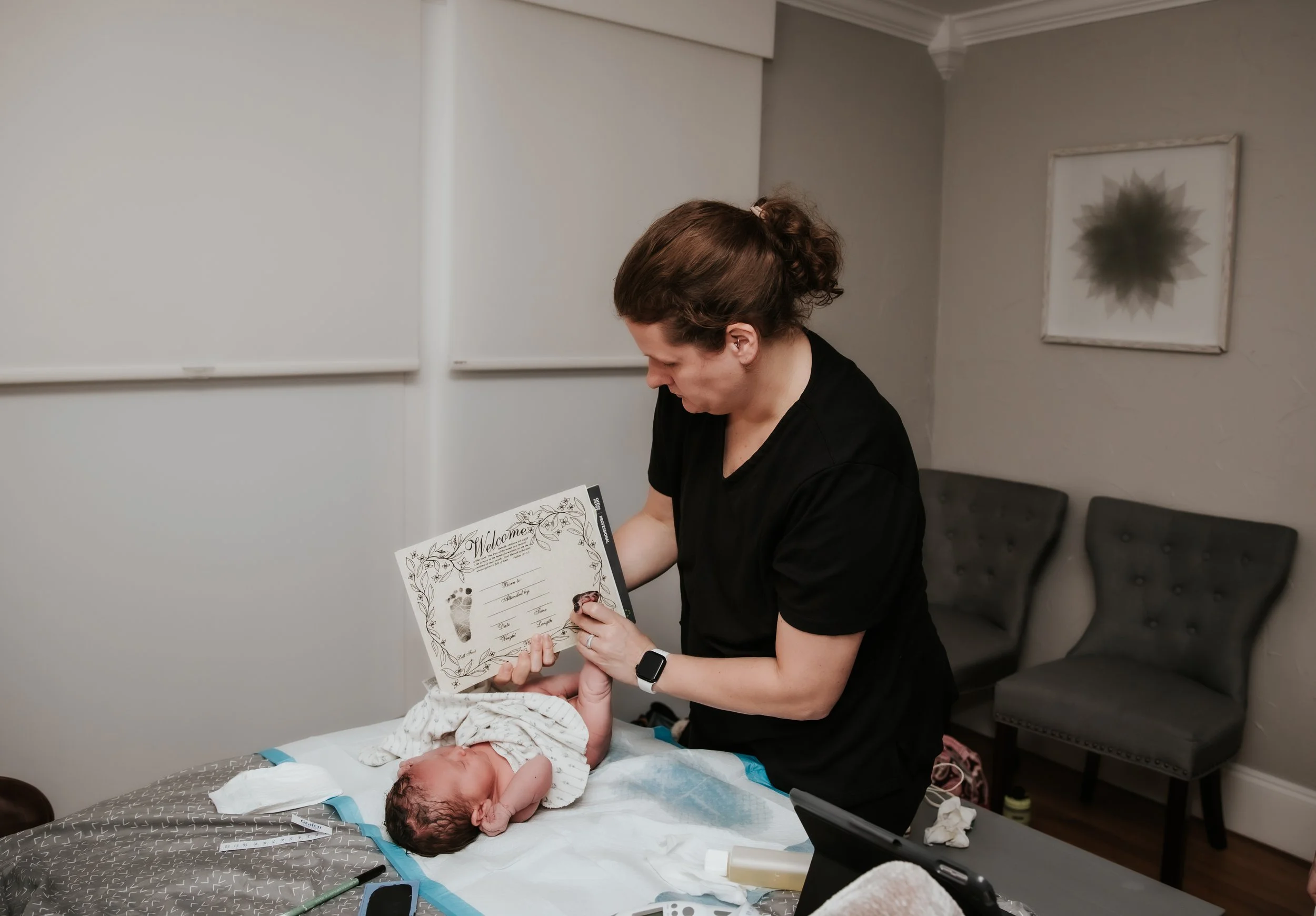


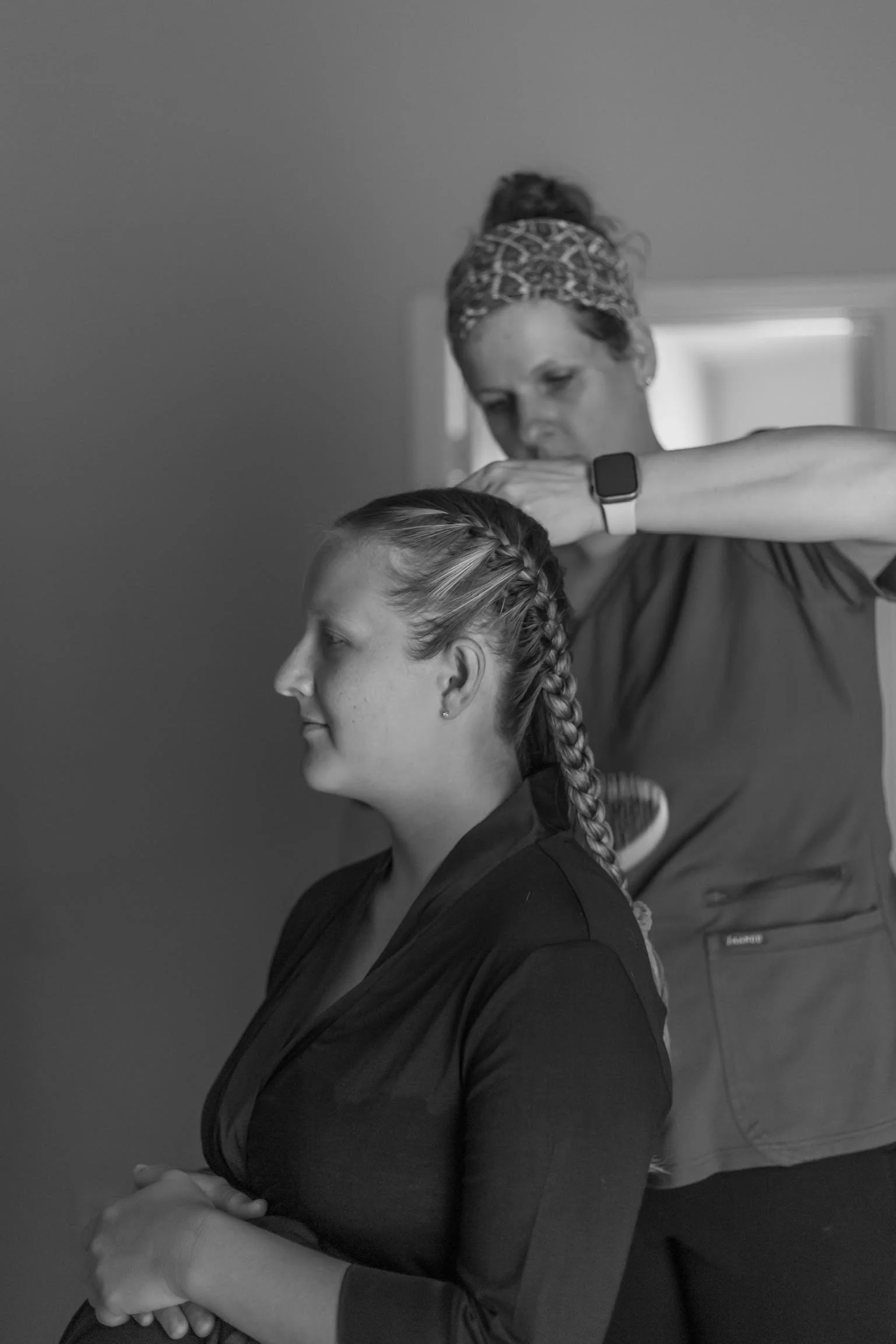
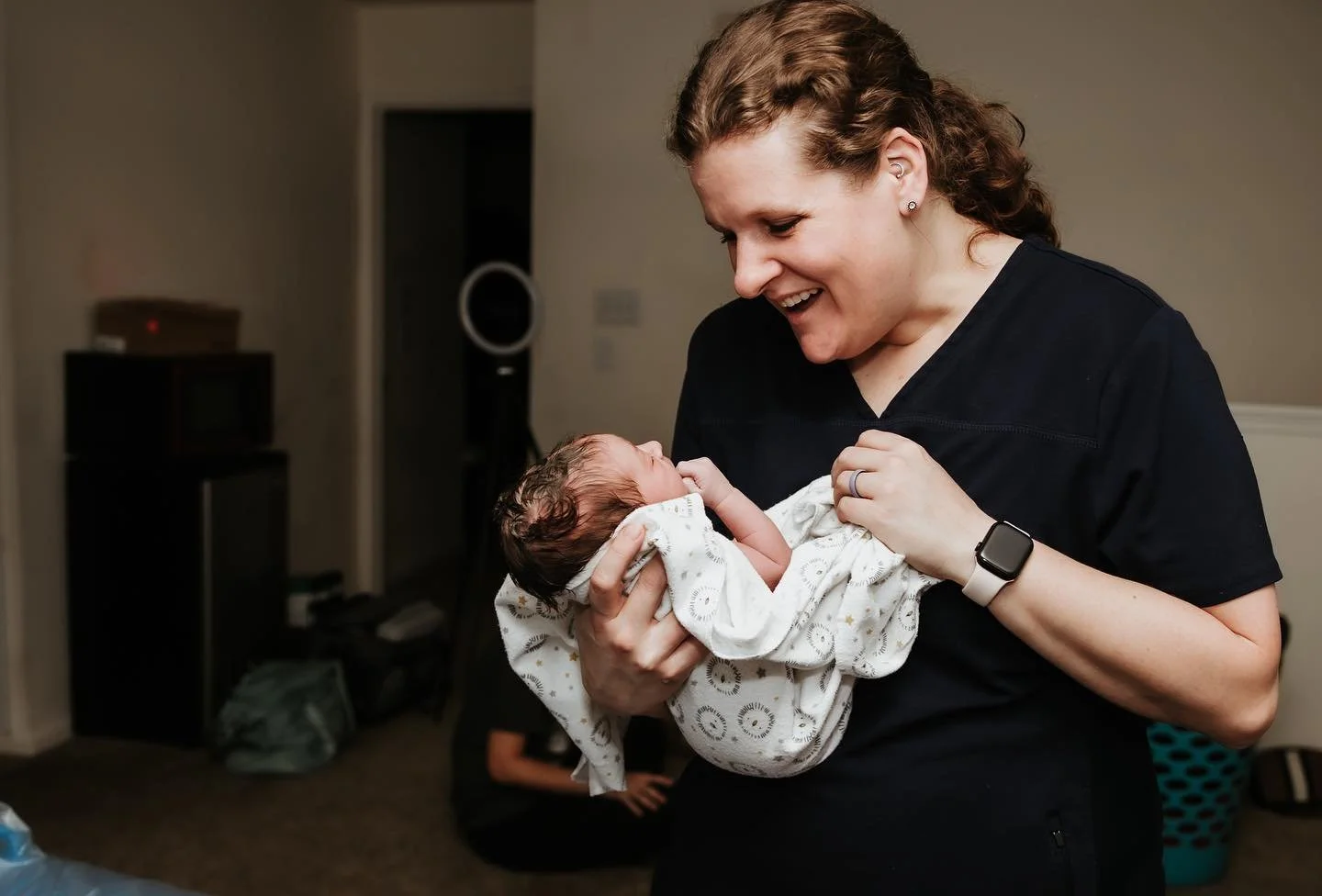



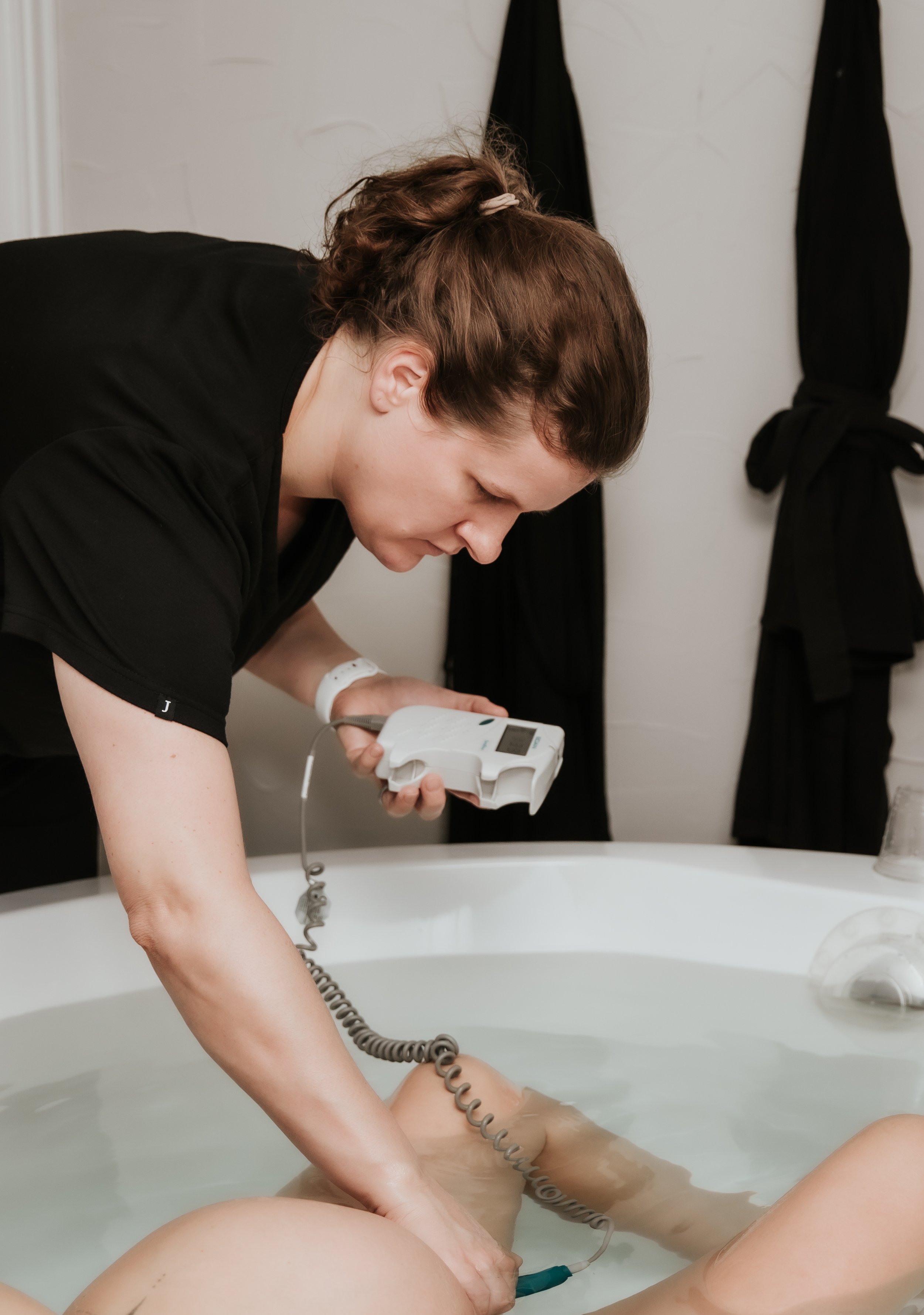
Our office is conveniently located in Katy, making quality midwifery and birth center care easily accessible for families throughout Katy and the surrounding Houston communities.
Katy Birth Center
1002 Avenue A
Katy, TX 77493